SoulMapStories.com

The world outside mirrors the world within

  • Beyond the Surface: The Cost of Valuing Looks Over Character

    When did “looking good” quietly become more important than “being real”?

    “Beauty lies in the eyes of the beholder.”
    A simple proverb, yet one that carries remarkable depth. At its heart, it reminds us that beauty is not a fixed standard dictated by trends or templates, but a perception — shaped by emotion, experience, and individuality. It suggests that true beauty transcends the visible; it is found beyond the façade of filters, flawless makeup, and curated perfection.

    And yet, in today’s digital age, this timeless wisdom feels increasingly distant.

    With the rise of beauty trends, editing apps, cosmetic enhancements, and now even AI-powered transformation tools, the line between enhancement and alteration has quietly blurred. What was once meant to accentuate individuality now often leans toward reshaping it entirely. Filters smooth away texture, apps sculpt features into symmetry, and algorithms subtly redefine what is considered “desirable.” The result is a culture where authenticity competes with artificial perfection.

    Makeup, fashion, and beauty tools have long served as powerful forms of self-expression. They can empower, uplift, and boost confidence. There is nothing inherently wrong with wanting to look polished or experiment with appearance. The concern arises when enhancement shifts into erasure — when individuality feels insufficient without digital correction, and when curated images become more comfortable than unfiltered reality.

    At what point did appearance begin to outweigh essence?
    When did surface-level impressions start speaking louder than character, depth, and authenticity?

    The danger is not in makeup or technology itself, but in the quiet pressure they create — the subtle suggestion that one must edit, refine, and retouch in order to be accepted. When external validation becomes intertwined with digitally constructed beauty, the risk is not merely deceiving others, but gradually distancing oneself from one’s own reflection.

    True confidence is not built through concealment, but through acceptance. Beauty tools should serve as instruments of creativity and enhancement, not masks that replace identity. Because when the layers come off — beyond the screen, beyond the spotlight — what ultimately remains is not contour or correction, but character.

    And perhaps that is where beauty has always truly lived.

    In recent years, unrealistic beauty standards have grown increasingly pervasive — affecting not only women, but men as well. The pressure to look a certain way, whether in terms of facial features, body shape, skin texture, or even signs of aging, has intensified under the constant gaze of social media and digital culture. What was once considered exceptional has gradually become expected.

    The rise in cosmetic enhancements — from plastic surgery to fillers, Botox, and other aesthetic procedures — reflects this shift. These treatments have become more accessible and more openly discussed, often presented as routine self-care choices rather than significant physical alterations. While personal autonomy and the freedom to make choices about one’s own body are important, it is equally important to acknowledge the broader cultural forces that shape those choices.

    Beneath the surface lies a more complex reality. Many of these procedures carry potential side effects and long-term health considerations, yet they are frequently normalized in ways that downplay their seriousness. Subtle transformations are marketed as effortless, quick, and harmless — creating an illusion that perfection can be achieved without consequence.

    What makes this cycle more complicated is not the decision itself, but the narrative surrounding it. When altered appearances are presented as entirely natural, when enhancements are denied or reframed as “just good genes,” it quietly reinforces unattainable standards. It creates a comparison trap — one where others measure themselves against results that were carefully constructed but rarely disclosed.

    The issue, therefore, is not about condemning individual choices. It is about questioning the environment that continuously elevates curated perfection while leaving authenticity feeling insufficient. When enhancement becomes the norm and transparency becomes optional, beauty standards shift further away from what is naturally diverse and uniquely human.

    In chasing perfection, we risk reducing beauty to one standard — when it was never meant to fit into just one.

    In this carefully constructed façade of perfection, people across all age groups — teenagers, young adults, and even older generations — can easily fall into the trap of unrealistic beauty standards. Constant exposure to edited images and curated lives fuels silent comparisons that gradually erode confidence. What begins as casual scrolling can slowly turn into self-doubt.

    For teenagers already navigating identity and change, the pressure can feel especially intense. Young adults and even older individuals are not immune either, as digital culture reshapes expectations for how one “should” look. Over time, many begin measuring their worth against standards that are artificial and unattainable.

    When self-worth becomes tied only to appearance, confidence grows fragile — dependent on validation rather than self-acceptance. And that quiet shift is perhaps the most concerning consequence of all.

    Yet perhaps this is where the narrative needs to change.

    Instead of allowing artificial standards to define worth, there is space to gently return to something more grounded — the understanding that original beauty carries a depth no filter can replicate. Real expressions, natural features, unedited smiles, and even perceived imperfections tell stories that enhancements simply cannot. They reflect lived experiences, individuality, and character.

    Self-acceptance does not mean rejecting creativity or personal style; it means recognizing that confidence should not depend on alteration. It begins with appreciating oneself as they are — not as a comparison, not as a modified version, but as a complete and evolving individual. And just as importantly, it extends outward: learning to value others beyond surface appearances, beyond trends, beyond what is digitally constructed.

    When we begin to look past fillers, filters, and fleeting standards, we rediscover something far more lasting — authenticity. Being original may not always align with trending ideals, but it carries a quiet strength. In the long run, authenticity proves far more fulfilling than imitation, because what is real does not need constant correction. And perhaps that is where the most rewarding form of beauty truly lives — in simply being unapologetically oneself.

    True self-worth cannot be measured by symmetry, smooth skin, or trending features. Outer appearance, while visible and often celebrated, represents only a small fragment of who a person truly is. Character, compassion, resilience, intelligence, humour, kindness — these qualities shape identity far more profoundly than any physical trait ever could. It is integrity in difficult moments, empathy toward others, the ability to stand firm in one’s values, and the warmth one brings into a room that truly define a good person. These inner attributes build meaningful relationships, earn genuine respect, and leave lasting impressions long after first appearances fade. Makeup may enhance features, but it cannot create sincerity, loyalty, courage, or authenticity — qualities that form the foundation of trust and admiration.

    When self-worth becomes rooted in values, abilities, and inner strength rather than appearance alone, confidence transforms into something steady and lasting. It no longer fluctuates with trends or fades with age. It becomes self-defined, not externally assigned.

    And perhaps that is the shift we are being called to make — to pause, to question, and to redefine what we choose to admire. In a world obsessed with refinement and retouching, choosing authenticity becomes a quiet act of courage. The next time we look in the mirror — or at someone else — maybe the real challenge is not to search for flaws, but to recognize individuality. Because long after trends fade and standards evolve, originality remains timeless. And there is something undeniably powerful about embracing a beauty that does not ask for permission, validation, or filters — only acceptance.

    The most beautiful thing you can be is the one thing no one else can replicate — yourself.

  • Inherited Rivalries: Why Women Hurt Women

    We often speak about how women are victims — of society, of men, of patriarchy, of systems designed to suppress them. We analyse misogyny, power structures, and centuries of inequality. And rightly so.

    But what we rarely pause to examine is something far more uncomfortable: sometimes, a woman’s deepest wounds are inflicted not by men or by society — but by another woman.

    Behind the language of empowerment and sisterhood, there are silent rivalries, subtle judgments, comparisons, and competition. There are moments when instead of lifting each other, we measure, criticize, exclude, or undermine.

    Is it conditioning? Is it insecurity? Is it scarcity? Or is it a reflection of a system that has taught women to compete for limited space instead of building more space together?

    Perhaps the real conversation isn’t just about how women are oppressed — but about how, knowingly or unknowingly, we sometimes become participants in each other’s pain.

    It begins subtly. The comparison of appearances. The quiet competition over careers. The judgment of life choices — whether she works too much, marries too late, dresses too boldly, mothers too differently. Instead of solidarity, there is scrutiny. Instead of support, there is silent rivalry. Many women grow up not just battling societal expectations, but also navigating criticism from other women — relatives, colleagues, friends, even strangers.

    In workplaces, women sometimes feel they must compete with each other for the “one seat at the table,” as if success is scarce. In families, daughters-in-law and mothers-in-law are often positioned against each other by tradition and conditioning. In friendships, envy can quietly replace encouragement. These patterns are not accidental — they are learned behaviors shaped by a system that has historically offered women limited space and limited power. When opportunities feel scarce, competition feels necessary.

    But here is the confrontation we must face: are we unknowingly becoming instruments of the very system we claim to resist? When we judge another woman’s choices, when we diminish her achievements, when we participate in gossip that weakens her reputation — are we strengthening patriarchy more than dismantling it?

    And perhaps the deeper reflection is this: what if the rivalry among women is not a flaw in women themselves, but a symptom of generations of conditioning? What if we were taught to compete because collaboration was never modelled? What if insecurity was planted where confidence should have been nurtured?

    Maybe the real empowerment movement begins not with slogans, but with self-awareness. With asking ourselves difficult questions. With choosing — consciously — to celebrate instead of compare, to mentor instead of undermine, to build instead of break.

    Because the strongest rebellion against a system that divided women…
    is women who refuse to be divided. Sometimes, without even realizing it, women can internalize the very mindset that once limited them. Inequality does not always disappear; it often transforms into belief systems that quietly live on within us. When someone has endured restriction, silence, or injustice for years, it can begin to feel normal — even inevitable. And when something feels inevitable, it is rarely questioned.

    There are moments when this conditioning reveals itself in subtle ways. A young woman is told to adjust because “that’s just how men are.” She is advised to tolerate, to compromise, to stay quiet — not because the advice comes from cruelty, but because it comes from survival. Sometimes, the older generation passes down endurance as wisdom, obedience as strength, and silence as dignity. Not because they wish harm, but because they themselves were never given the space to question, challenge, or rewrite the rules. If they had to endure it, a part of them may believe enduring it is simply the way life works.

    And in this quiet continuation of unchallenged norms, the cycle sustains itself. Not loudly. Not intentionally. But persistently.

    A woman carries many roles throughout her life — daughter, sister, friend, wife, mother, professional, caregiver, leader. She balances expectations that are often invisible yet overwhelming. She climbs, nurtures, sacrifices, survives. Yet somewhere in the pressure to manage it all, comparison can replace compassion. Competition can overshadow collaboration. In trying to secure her own space in a system that offers limited room, she may unknowingly withhold that space from another woman.

    Instead of reaching back to pull others forward, we sometimes, consciously or not, place new obstacles in their path: a sharp judgment, a withheld opportunity, a quiet enforcement of the same rules that once confined us. In these moments, women can become inadvertent gatekeepers to one another’s freedom, turning shared struggle into unintended harm, and deepening the very fractures we all long to heal.

    Yet in that relentless ascent, a subtle scarcity can take root—one where another woman’s rise feels like a threat to our own hard-won place. Instead of reaching back to pull others forward, we sometimes, consciously or not, place new obstacles in their path: a sharp judgment, a withheld opportunity, a quiet enforcement of the same rules that once confined us. In these moments, women can become inadvertent gatekeepers to one another’s freedom, turning shared struggle into unintended harm, and deepening the very fractures we all long to heal.

    It shows up in everyday spaces more than we admit. In corporate corridors, where a senior woman who once struggled for recognition becomes unusually guarded about mentoring younger women — fearing replacement instead of building legacy. In meetings, where ideas voiced by one woman are dismissed, only to be validated when repeated by someone else. In performance reviews that are harsher not because of merit, but because “I had it tougher.”

    It unfolds within homes too — in the silent tension between a mother-in-law and daughter-in-law, where authority becomes a way to reclaim power once denied. In subtle comparisons between daughters and daughters-in-law. In advice given not as guidance, but as control. Sometimes it appears in friendships — masked as concern but rooted in competition. A backhanded compliment about weight, career growth, marriage timing, motherhood choices. A celebration that feels slightly reluctant. Support that arrives with conditions attached. Even in social circles, women are often measured — by beauty, by marital status, by fertility, by income, by how “well” they balance it all. And instead of dismantling these measuring scales, we sometimes become their guardians. We ask the same intrusive questions that once hurt us. We repeat the same judgments we once resented. Not always out of malice — but out of habit, insecurity, or inherited belief.

    The hurt is rarely loud. It is subtle. It is layered. It hides in tone, in comparison, in exclusion, in withheld encouragement. And because it is subtle, it is often dismissed. But subtle wounds can shape confidence just as deeply as visible ones.

    But at some point, we must pause and ask an uncomfortable question: if we know what it feels like to be underestimated, dismissed, controlled, or compared — why do we sometimes recreate the same experience for another woman?

    If patriarchy survives not only through laws and structures but through everyday behavior, then are we, unknowingly, helping it survive? Every time we normalize silence instead of encouraging voice. Every time we advise endurance instead of justice. Every time we measure another woman by standards we secretly resent. The system does not always need force to sustain itself — sometimes it only needs repetition.

    This is not about blaming women. It is about acknowledging influence. Women shape homes. Women shape workplaces. Women shape conversations. We are not powerless participants in society; we are active contributors to its culture. And if we contribute to the culture, then we must also examine what we are reinforcing.

    The deeper confrontation is internal. It is asking ourselves:
    Do I celebrate other women freely?
    Do I feel threatened by their growth?
    Do I pass down strength — or do I pass down fear disguised as advice?

    Because transformation does not begin in parliaments or boardrooms alone. It begins in everyday interactions — in how we respond to another woman’s success, ambition, vulnerability, or difference.

    And perhaps this is where the shift must happen. Instead of asking why women hurt each other, we begin asking how the cycle can end with us. What if the generation that endured silence chooses to raise a generation that questions? What if competition is replaced with collaboration, and comparison with collective growth? What if empowerment moves beyond slogans and becomes daily practice?

    Breaking cycles requires courage — not loud courage, but quiet, consistent courage. The courage to mentor instead of compete. To validate instead of belittle. To listen instead of judge. To rewrite what we once accepted as “normal.”

    Because the most radical change may not be fighting each other for space —
    but deciding, together, to create more of it.

    So instead of belittling or undermining another woman — instead of feeling threatened by her beauty, her success, her choices, or the life she is building — perhaps it is time to pause and reframe the narrative. There is no single spotlight reserved for one of us. There is no limited permission slip for ambition, happiness, or growth.

    We are not competitors under one roof fighting for survival; we are individuals navigating the same structures, the same expectations, the same invisible pressures. And if the system once thrived by dividing women, then unity — not rivalry — becomes the quiet revolution.

    Real strength is not proven by outshining another woman or climbing higher at her expense. It is proven by extending a hand while rising, by creating space instead of guarding it, by choosing collaboration over comparison. That, perhaps, is the truest break from a patriarchal framework — not simply resisting it outwardly, but refusing to replicate it in our own behavior.

    Maybe the real evolution of womanhood is not just about breaking glass ceilings, but about breaking inherited patterns. Not just about demanding equality from the world outside, but about practicing empathy within the world we create for each other.

    Every woman carries a story of endurance. Of being told to shrink. Of being compared. Of being questioned. Imagine what could change if, instead of passing down those wounds, we chose to pass down courage. If instead of teaching adjustment as destiny, we taught self-worth as birthright.

    The world has long been divided by power. Perhaps sisterhood is not about perfection or constant agreement — but about conscious choice. The choice to not repeat what hurt us. The choice to protect another woman’s dignity in rooms where she is not present. The choice to celebrate her rise without measuring our own.

    Because when women stop inheriting rivalry and start inheriting responsibility for one another, something shifts. Quietly. Deeply. Generationally.

    And maybe then, the narrative will change —
    not from women against women,
    but from women for women.

  • Everyone Has Advice—Most of It Is Just Loud Confidence

    Let’s be honest—everyone gives advice. Your neighbour, your best friend, that random uncle at family functions, and people who haven’t figured out their own life yet (yes, those experts). It’s everywhere—Instagram quotes, WhatsApp forwards, and unsolicited calls from relatives who think they cracked the code of life back in 1998. Some advice changes lives, some just changes moods, and some makes you smile, nod, and do the exact opposite. This blog exists to sort the gold from the noise—with honesty, humour, and zero pretending that we’ve got it all figured out.

    The one thing in this world that is given absolutely free—often without being asked for—is advice. Without knowing who you are, how your life truly is, or what you might be going through beneath the surface, people are quick to judge and even quicker to offer their opinions. Advice flows in generously, especially when it is least needed and never requested. It often comes wrapped in assumptions, delivered with confidence, and offered without the effort of understanding. While some advice is well-intentioned, much of it reflects more about the giver than the person receiving it.

    If advice actually worked the way people confidently hand it out, we’d all be rich, fit, emotionally healed, and waking up at 5 a.m. smiling at the sunrise. But reality, inconveniently, has other plans. The truth is, advice is easy to give, painfully hard to follow, and almost impossible to ignore—especially when it’s completely unnecessary. This blog isn’t about perfect solutions or pretending life comes with a step-by-step manual. It exists for real thoughts, lived lessons, messy mistakes, and the shared chaos of figuring things out as we go—sometimes wisely, sometimes badly, and often while laughing at ourselves.

    The real problem with freely given advice isn’t just that it’s unsolicited—it’s that it often ignores context. Words are thrown around without understanding the weight the other person is carrying, the battles they’re silently fighting, or the circumstances shaping their choices. What sounds like “help” to one person can feel like judgement, pressure, or dismissal to another. Careless advice can plant doubt where there was courage, guilt where there was effort, and shame where there should have been empathy. A little pause, a little listening, and a lot more consideration could save people from turning concern into harm. Not every situation needs advice—sometimes it just needs understanding.

    What makes advice even more ironic is how eagerly people give it and how rarely they live by it themselves. The same voices preaching patience lose it instantly, the ones talking about mental health ignore their own, and the experts on “letting go” hold onto grudges forever. Advice feels powerful when it’s directed outward, but uncomfortable when turned inward. Most people don’t actually want guidance—they want control, validation, or the satisfaction of feeling wiser than someone else. Taking advice requires humility; giving it requires nothing. And that’s exactly why one is so common, and the other so rare. In much the same way, we love to keep a close watch on people around us—quick to notice their choices, mistakes, and decisions. Advice flows easily when it’s directed outward, while our own condition and situation remain conveniently ignored. We become generous with opinions about lives we barely understand, yet strangely defensive when the same scrutiny is turned toward us. A single pointed finger feels offensive, even though we’ve been pointing them freely all along. It’s easier to correct others than confront ourselves, and far more comfortable to advise than to introspect.

    Perhaps the most exhausting part of this cycle is how advice has slowly replaced empathy. Listening feels optional, understanding feels time-consuming, but offering an opinion feels instant and satisfying. Instead of asking questions, we jump straight to conclusions; instead of sitting with someone’s discomfort, we rush to “fix” it. In doing so, we forget that not every problem needs a solution from the outside. Some struggles need silence, some need patience, and some simply need space. When advice is given without empathy, it stops being helpful and starts becoming noise.

    Better advice doesn’t start with answers—it starts with listening. It shows up with curiosity instead of conclusions and empathy instead of assumptions. Sometimes it sounds less like “You should…” and more like “Do you want to talk about it?” or “How can I support you?” Good advice knows when to speak and, more importantly, when to stay quiet. Because the most helpful thing we can offer isn’t always our opinion—it’s our presence. Better advice also understands boundaries. It doesn’t force itself into conversations where it wasn’t invited, and it respects the fact that everyone moves at their own pace. What worked for one person may not work for another, and that doesn’t make either of them wrong. Real advice adapts instead of dictating, supports instead of controlling, and accepts that sometimes the best help is simply letting someone figure things out on their own.

    Perhaps the real question isn’t why people receive advice so poorly, but why we feel such a strong need to give it in the first place. Often, advice isn’t about helping—it’s about feeling relevant, superior, or in control. Offering opinions gives us a sense of importance, a temporary illusion of wisdom, and the comfort of believing we understand life better than someone else. It’s easier to advise than to admit uncertainty, easier to point outward than look inward. In trying to guide others, we sometimes avoid confronting our own unresolved struggles. At the heart of it, the urge to give advice often comes from the belief that we understand others better than we understand ourselves. We position ourselves as experts on problems that aren’t ours, confident in our ability to “fix” situations we’ve barely taken the time to understand. In doing so, we either overlook the depth and complexity of someone else’s reality or, worse, unintentionally belittle their struggles. What’s meant to sound helpful ends up feeling dismissive—less about support, and more about proving we know better.

    In the end, advice isn’t the problem—our obsession with giving it is. We hand it out like free samples, proudly ignoring the fact that we rarely follow our own. We want to sound wise without doing the work, helpful without listening, and right without understanding. Maybe the real growth begins when we resist the urge to fix everyone else and start examining ourselves instead. Less preaching, more practicing. Less judging, more listening. Because the world doesn’t need more experts on other people’s lives—it needs a little more humility, a little more kindness, and far fewer unsolicited opinions.

    Not every thought needs a voice, and not every problem needs your opinion.

  • Falling in Love vs Being in Love: Why Modern Marriages Are Breaking Quietly

    We have all, at some point, come across quirky and romanticized quotes about love: “Love is blind,” “Love ignores what the eyes notice,” or “Love sees with the soul.” We casually toss around the phrase “I have fallen in love,” as though love is something we simply tumble into—effortless and magical. But what we often fail to realize is that falling in love is only one side of the coin. The real, far more challenging reality is staying in love—choosing to be in love with the same person, consciously and consistently, for a lifetime. That is where the true journey begins. Ironically, while many of us fall in love easily, we seem to fall out of love even faster, unprepared for the quiet responsibility that real love demands.

    As generations evolve, so does the language of relationships. We coin new terms—future faking, situationship, breadcrumbing, benching, cushioning, orbiting, sneating, submarining, and countless others—to label, explain, and often justify our actions in the name of love. These words may sound clever or contemporary, but they frequently serve as shields, protecting us from accountability. In the process, we overlook the emotional weight these behaviors carry and the silent impact they leave on the other person. What is normalized as “modern dating” often masks emotional inconsistency, avoidance, and a lack of empathy.

    In today’s world, just as life has become restless, hurried, and constantly distracted, love too has adopted the same pace. It has become impatient, conditional, and easily disposable. The foundational pillars of love—trust, respect, communication, commitment, transparency, effort, emotional safety, and compassion—are either missing or slowly losing their meaning. They are spoken of often, shared as quotes, and written in captions, yet rarely practiced with intention. It is as though these values have been reduced to textbook words—familiar, but hollow—detached from real-life application. And perhaps this is why love today feels so fragile: not because it no longer exists, but because we have forgotten how to hold it with care.

    The harsh reality of love today is that love itself seems to be missing from love. Even the slightest discomfort within a relationship is often misread as incompatibility, quickly turning into misunderstandings that snowball into emotional distance, broken marriages, and ultimately divorce. Instead of pausing to reflect, communicate, and uncover the root of the problem, many choose the easier escape—avoidance. Genuine effort is replaced by shortcuts: cheating, affairs, flings, or emotional betrayals, all conveniently justified as personal freedom or self-discovery.

    What complicates this further is the constant influence of external voices. Friends, colleagues, and sometimes even family members—often judgmental, biased, and unaware of the full truth—are quick to jump to conclusions. In the name of “saving” someone from a relationship, they unknowingly sabotage it further. Labels like toxic are casually assigned without understanding the emotional nuances, shared history, or silent struggles between two people. The narrative becomes one-sided, and accountability quietly disappears. Popular culture adds fuel to this erosion. Serials, movies, and digital media repeatedly normalize the idea that it is acceptable to fall out of love without trying, to walk away without reflection, and even to cheat in the name of moving on. Ghosting is glorified as self-care, betrayal is reframed as bravery, and playing the victim becomes an easy shield against responsibility. In this distorted version of love, effort is optional, loyalty is outdated, and empathy is negotiable. And somewhere along the way, love loses its depth—not because it is impossible, but because we have stopped believing that it is worth fighting for.

    Another crucial aspect that deeply affects modern relationships is the lack of transparency and the growing tendency toward secrecy. What begins as small omissions or guarded conversations often acts as a catalyst, gradually increasing emotional distance and creating fertile ground for doubt, insecurity, and mistrust. When openness fades, assumptions take its place, and even silence begins to feel louder than words. Compounding this issue is the rapid advancement of technology. While digital tools are designed to connect us, many apps now offer layers of privacy—hidden chats, disappearing messages, private folders, or dating platforms with incognito modes and alternate accounts—that unintentionally normalize secrecy. Instead of encouraging honest communication, these features often make it easier to conceal truths, avoid accountability, and maintain parallel emotional lives. Over time, this quiet erosion of transparency weakens trust, leaving relationships vulnerable not because of a single betrayal, but due to the slow accumulation of unspoken truths and unanswered questions.

    Marriage and love today have increasingly become superficial, performative, and hollow, slowly losing the depth and sanctity they once held. Love in reel life is celebrated, admired, and endlessly consumed, yet very few are willing to put in the effort to translate that same devotion into real life. It seems as though everyone desires a perfect love story, but hardly anyone is prepared to do the uncomfortable work required to build one. Instead of self-reflection, accountability is conveniently replaced with blame—fingers are pointed outward, and responsibility quietly slips away. In modern love, effort feels optional, while entitlement feels justified.

    Marriage, too, is increasingly treated like a business transaction—measured by status, appearance, and convenience rather than emotional depth or character. Outer beauty is prized over inner stability, and curated impressions matter more than authenticity. Society continues to set unrealistic and artificial standards that place immense pressure on ordinary individuals. Women are expected to fit the mould of a trophy wife—slim, fair, conventionally attractive, well-educated, professionally accomplished, and from a “good” family—while their emotional intelligence, values, and character are often overlooked. Men, similarly, are expected to be exceptionally good-looking, financially successful, and socially impressive, as though worthiness in love can be quantified by income and appearance alone. What is rarely questioned is this: despite meeting these demanding and unrealistic criteria, marriages still fail and love still fades. These standards, built on surface-level ideals, act like hollow pillars—appearing strong from a distance but incapable of carrying the weight of real life, emotional conflict, vulnerability, and growth. When challenges arise, these fragile foundations crumble, revealing the absence of genuine connection, mutual understanding, and emotional resilience.

    In chasing perfection, we have forgotten substance. In prioritizing image, we have neglected intimacy. And in designing relationships around societal validation, we have slowly drifted away from the true essence of love—one that requires patience, effort, humility, and the courage to grow together rather than perform for the world. In today’s fast-paced world, romantic relationships have increasingly taken on a transactional quality. Partners are often evaluated not primarily for emotional depth, shared values, or mutual growth, but for the tangible assets, status, financial stability, or convenience they bring to the table—like a business deal where worth is measured in what one contributes materially rather than who they truly are. Ego and dominance are among the most silent yet destructive forces in love. Despite living in what we proudly call a modern and progressive world; this advancement often fails to translate into our relationships. Love, it seems, has not evolved at the same pace as our lifestyles. Financial imbalance within a relationship—whether one partner earns significantly more or is the sole earner—frequently becomes a breeding ground for entitlement. Contribution is reduced to income, and emotional labor, care, and unseen sacrifices are conveniently overlooked.

    In such dynamics, effort begins to feel conditional rather than mutual. The partner with greater financial power may unconsciously assume authority, positioning themselves as the primary contributor and, therefore, the one who decides, leads, or dominates. This imbalance quietly fuels ego, and soon love becomes less about partnership and more about control. What follows is an inevitable clash—not of personalities, but of unaddressed insecurities and wounded self-worth. When dominance replaces equality, and ego replaces empathy, love begins to erode—not through loud conflict, but through the slow disappearance of mutual respect.

    This shift has made connections feel profoundly fragile. When challenges inevitably arise—whether financial strain, health issues, emotional turbulence, or everyday conflicts—the instinct too often is to point fingers, assign blame, and retreat rather than confront the problem together. In what should be a “fight-or-flight” moment for the relationship, flight prevails: one or both partners choose to walk away instead of standing eye-to-eye, communicating openly, and working through the difficulty as a team.

    Nowhere is this more evident than in marriages, where commitment appears to be eroding. Many couples enter into lifelong vows with unspoken exit strategies already in mind, treating the bond as conditional rather than enduring. A lack of deep emotional understanding compounds the issue—partners frequently misinterpret each other’s feelings, jumping to assumptions and presumptions instead of patiently seeking clarity. Rather than investing time to truly listen and empathize, misunderstandings snowball into labels, resentment, and distance.

    Ultimately, this pattern reflects a broader cultural trend: we crave connection, yet hesitate to offer the vulnerability, patience, and steadfastness that sustain it. Rebuilding stronger relationships may require shifting away from transactional mindsets toward ones rooted in genuine empathy, shared resilience, and a renewed willingness to face life’s storms side by side. Only then can love move beyond fragility and become something truly lasting.

    Adding to this decline in true emotional connection, various linked forces in today’s world are speeding up the fragility we’ve been seeing. Social media and dating apps have reshaped how we form and maintain bonds, often turning romance into a marketplace of endless options. With infinite profiles just a swipe away, people approach potential partners with a consumer mindset—evaluating looks, lifestyles, and “value” in seconds—fostering what sociologists describe as a “culture of disposability.” This abundance illusion makes it easier to walk away at the first sign of imperfection rather than invest in understanding and growth.

    Compounding this is the constant exposure to curated highlight reels. Partners compare their real, messy relationships to idealized versions online, breeding unrealistic expectations, envy, and dissatisfaction. Small misunderstandings—amplified by text-based communication lacking tone or context—snowball into jealousy or mistrust, while “phubbing” (prioritizing phones over presence) quietly chips away at emotional availability. The result? Deeper intimacy feels riskier and less rewarding when superficial validation is always one notification away. Psychologically, many enter relationships carrying unresolved patterns from childhood or past experiences—fear of vulnerability, emotional unavailability, or insecure attachment styles—that hinder true empathy. Instead of pausing to ask, “What are you really feeling?” we default to assumptions, defensiveness, or withdrawal. This lack of emotional literacy turns minor conflicts into battlegrounds, where being “right” trumps being connected.

    In India and globally, shifting attitudes toward marriage reflect these trends. While traditional arranged marriages once emphasized long-term stability and family duty, younger generations increasingly view commitment as optional rather than inevitable—surveys show a growing number of single Indians treating marriage as one life choice among many, not a milestone. Globally, marriage rates decline amid rising individualism, economic pressures, and a focus on personal fulfilment first.

    Yet, this moment also holds opportunity. Recognizing these patterns is the first step toward change. By consciously choosing presence over distraction, curiosity over assumption, and resilience over retreat, we can cultivate relationships that withstand life’s pressures—not because they are perfect or transactional, but because they are built on mutual understanding, shared effort, and a willingness to stay when it matters most. True connection isn’t found in endless options; it’s forged through the deliberate, sometimes difficult work of showing up fully for another person, day after day.

    Infidelity and shallow relationships do not merely break trust; they slowly erode the very capacity to love deeply and honestly. In chasing momentary excitement, validation, or escape through multiple relationships, we often lose sight of what truly sustains the human heart—stability, loyalty, and emotional safety. Love was never meant to be fragmented or replaced at the first sign of discomfort. True love asks for presence, patience, and restraint; it asks us to stay when leaving feels easier. A healthy, long-lasting marriage isn’t built on perfection or constant happiness, but on shared values, mutual respect, and the courage to grow together through imperfection, it isn’t merely a union—it’s a testament to resilience, a beacon of hope in a world of disposability, reminding us that the deepest fulfillment blooms not from endless options, but from the courageous choice to love one person, fully and forever.

    ““Love that is repeatedly replaced is not freedom but emotional erosion; in a culture of quick exits and endless nexts, the most revolutionary act is to stay—and mean it with every beat of your heart.”

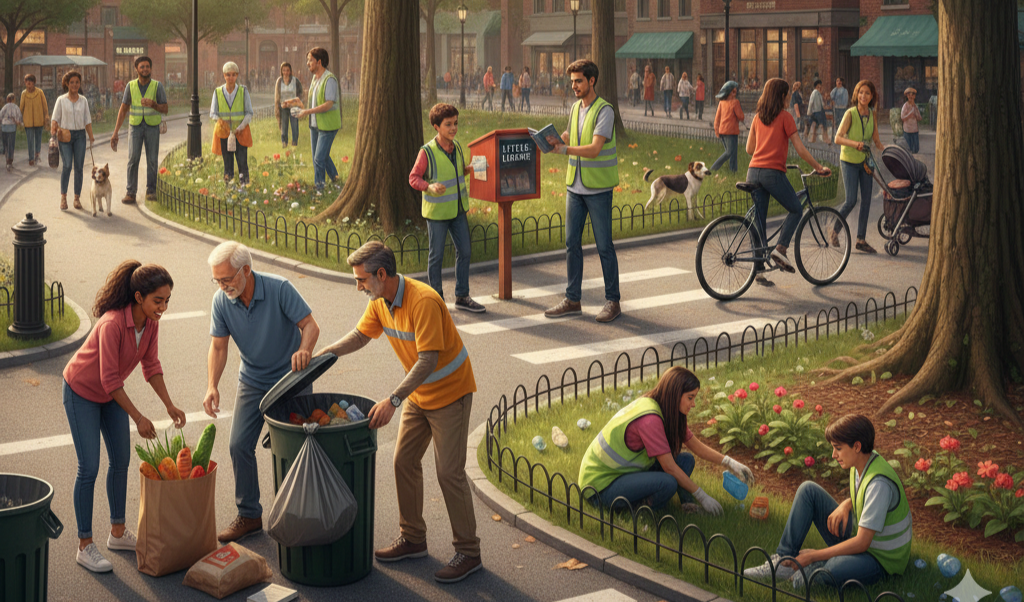
  • The Rarest Currency Today: Civic Sense and Kindness

    How often do we pause to reflect on how today’s world seems to be losing the basic kindness that once came so naturally to people—qualities that now feel rare and almost invisible. How often do we truly witness someone stepping in to help another in distress, not for recognition or reward, but purely out of humanity and civic sense. And perhaps more importantly, how clearly do we ourselves understand what these qualities truly mean? Do we genuinely value them, or even recognize whether we possess them?

    We celebrate prestigious degrees, admired job titles, and impressive social status as markers of success. Yet shouldn’t we hold kindness and civic sense—the most fundamental and life-sustaining human qualities—in equally high regard? After all, these are the very traits that make our communities humane, our public spaces livable, and our world worth sharing. Ignoring them slowly erodes the social fabric that binds us together. We are often awed by a person’s education, the brands they wear, or the company they work for. But how often do we pause to value qualities such as being grounded, respectful, and socially responsible as true measures of character? Do we acknowledge these traits with the same admiration we reserve for material or professional achievements?

    This leads to an uncomfortable but necessary question: are kindness and civic sense truly linked to good education, privileged backgrounds, or high-profile careers? The truth is, possessing impressive qualifications does not automatically make someone kind or considerate. Degrees may shape the mind, and status may elevate social standing, but it is everyday choices—small, consistent acts of empathy and responsibility—that reveal who a person truly is.

    Kindness and civic sense rarely announce themselves loudly. They appear in quiet moments—waiting patiently, respecting shared spaces, offering help without being asked, choosing empathy over indifference. These acts may seem small, almost insignificant in a world chasing speed, success, and visibility, yet they carry the power to shape everyday life. When practiced consistently, they create trust among strangers and a sense of belonging within communities. Their absence, however, is felt immediately—in impatience, disregard, and the growing emotional distance between people. Perhaps the reason they feel so rare today is not because they no longer exist, but because we have stopped nurturing and noticing them.

    Kindness and civic sense are not lofty ideals reserved for moral debates—they are exposed in the smallest, most ordinary moments of our daily lives. They reveal themselves in how we treat public spaces, how we follow rules when no authority is watching, and how we respond to inconvenience. They are present when we choose not to litter, not to honk mindlessly, not to cut queues, not to humiliate someone for our own momentary power. Kindness is not weakness; it is the discipline of empathy. Civic sense is not obedience; it is the understanding that our comfort cannot come at the cost of another’s dignity. The uncomfortable truth is this: society does not decay because of a lack of laws or education—it erodes because of everyday indifference. The real question we must confront is not whether the world lacks kindness, but whether we are willing to practice it when it demands effort, restraint, and accountability from us.

    In reality, these traits are among the most valuable qualities a person can possess. They not only reflect an individual’s character but also shape the true identity of a city or a nation. A society where more people consistently display kindness and civic sense is often one that is genuinely developed and progressive—not merely in infrastructure or technology, but in moral responsibility. Such collective behavior becomes a form of soft power, quietly strengthening a country from within as citizens act with care, accountability, and respect toward their shared spaces and one another.

    In today’s tech-savvy era, social media frequently highlights this contrast. We often come across posts praising communities where people act responsibly—helping strangers, maintaining public spaces, following rules, and contributing positively to development. These places are admired not only for being technologically advanced or well-equipped, but for the way their people uphold civic responsibility. On the other hand, we also witness the consequences of a lack of these qualities: careless littering that begins at home and spreads to streets, cities, and entire regions; public property being damaged; people mistreating one another without concern. Such behavior quietly but steadily undermines any effort toward meaningful growth and long-term progress.

    Another crucial aspect we must recognize is that observing these traits in others should not end with admiration alone. We must learn to internalize and practice them in our own lives. Kindness and civic sense should never be mistaken for weakness, nor should they be taken for granted or exploited. They demand strength, self-awareness, and moral clarity. When practiced consciously and collectively, these qualities do more for a nation’s advancement than any policy or technological breakthrough ever could.

    As we move toward any conversation about progress and development, there is an uncomfortable gap that must be addressed. Many of us travel to or admire clean, well-organized, and developed countries and return impressed by their systems, discipline, and civic responsibility. Yet, admiration often stops at observation. Rarely does it translate into genuine effort to practice those same values back home. Civic sense is not something that belongs to a country—it belongs to its people. If we can follow rules, respect public spaces, and act responsibly abroad, the real test lies in whether we are willing to do the same in our own streets, cities, and communities. This shift in mindset must also begin early. Schools cannot limit education to academics alone; they must actively instill habits of kindness, responsibility, respect for shared spaces, and empathy right from kindergarten. When children grow up practicing these values daily—not as instructions, but as lived behavior—they carry them forward into adulthood. A nation’s future is shaped less by what children memorize and more by what they repeatedly practice.

    And this is where the reflection must turn inward. It is easy to criticize society, blame systems, or mourn the loss of values—but far harder to confront our own role in their decline. Kindness and civic sense do not disappear overnight; they fade each time we choose convenience over responsibility, silence over action, indifference over empathy. The state of our world is not an abstract failure—it is a collective mirror. The question that remains is deeply personal and impossible to ignore: if everyone behaved the way we do, what kind of society would exist tomorrow? Until we are willing to answer that honestly—and change accordingly—no level of development, technology, or global admiration will truly make us advanced. Because in the end, the true measure of progress is not how far a nation has advanced, but how responsibly its people choose to live.

  • Walking Down Memory Lane: How Remembering Taught Me My Self-Worth

    Ask yourself—what is the one thing you value most in life? Many of us would instinctively think of family, money, or perhaps a possession we hold dear. Yet, how often do we pause to consider our memories as our greatest treasure? It is our memories—both gentle and painful—that quietly shape who we are. They hold the moments that taught us love, resilience, loss, and growth. Long after material things fade or change, our memories remain with us, weaving together our experiences and reminding us of how far we’ve come and who we’ve become. Memories are the invisible threads that weave the fabric of our lives, giving colour and depth to who we are. In a world obsessed with the new and the now, it’s easy to overlook their profound worth. Yet, imagine waking up one day with no recollection of laughter shared with loved ones, triumphs overcome, or even the quiet moments of solitude that shaped your soul. Memories aren’t just echoes of the past—they are the foundation of our identity, offering comfort, wisdom, and joy long after the moments have passed.

    Psychologically, memories serve as our most valuable asset. They help us learn from experiences, build resilience through challenges, and foster happiness by revisiting joyful times. Positive recollections act like an emotional reservoir, sustaining us during difficult periods. Even painful memories, though harder to embrace, contribute to growth, teaching empathy and strength. As Cesare Pavese once said, “We do not remember days, we remember moments”—those fleeting instances that imprint on our hearts and guide our future choices. On a deeper emotional level, memories connect us across time and loss. They keep departed loved ones alive in our thoughts, preserve family legacies, and strengthen bonds through shared stories. Flipping through an old photo album or recounting childhood adventures isn’t mere nostalgia—it’s a way to honour relationships and find healing. In grief, memories become lifelines, reminding us that love endures beyond physical presence.

    In moments of silence, it is often these memories that surface—uninvited yet honest—nudging us to reflect on our choices, our strength, and our self-worth. They mirror our inner journey, revealing not just where we have been, but why we became the person we are today. When we learn to sit with them rather than run from them, memories transform from mere recollections into quiet teachers, guiding us toward deeper self-awareness and acceptance.

    Walking down memory lane isn’t always comfortable for any of us. Some memories return gently, filled with warmth and familiarity, while others carry the weight of lessons we didn’t realise, we were learning at the time. There are moments most of us can relate to—times of self-doubt, feeling unheard, or questioning our own worth. There are times in everyone’s life when we face hardships that test us deeply. These difficult phases may last for days, for months, or sometimes even for years. During such moments, we often feel overwhelmed, completely lost, and emotionally drained—caught between stress, heartbreak, and a quiet sense of hopelessness that makes us question our very existence. The more we struggle to break free from these feelings, the more trapped we seem to become, much like sinking into quicksand. Each attempt to escape only pulls us deeper, leaving us exhausted and unsure of which way leads back to ourselves.

    Yet, even in these heavy moments, something quietly shifts within us. What often feels like an ending is, in truth, a slow and unseen beginning. Healing does not arrive all at once, nor does it follow a straight path—it unfolds gently, in pauses, in moments of awareness, and in the courage to keep going despite the weight we carry. As we begin to sit with our pain rather than fight it, we slowly learn to listen to ourselves with compassion. This is where self-worth starts to rebuild—not in perfection or instant strength, but in acknowledging that our struggles do not diminish our value.

    They reveal our humanity. With time, patience, and self-kindness, the same experiences that once felt unbearable become reminders of our resilience, guiding us toward acceptance, growth, and a deeper sense of wholeness. So, when we look back, we often realise that these very moments shaped our resilience and taught us how to stand on our own. Each memory—whether joyful or heavy—becomes a quiet reminder that we endured, grew, and evolved. In acknowledging them, we begin to understand that our self-worth was never defined by what broke us, but by the strength we discovered in rising from it. As we move forward, our memories begin to lose their sharp edges. What once felt overwhelming starts to feel manageable, even meaningful. They no longer pull us backward but instead serve as gentle reminders of our journey. In embracing them, we honour every version of ourselves—the one who struggled, the one who learned, and the one who continues to grow.

    Over time, we begin to realise that self-worth is not something we discover outside of us—it is something we slowly reclaim from within. It grows in the moments when we stop seeking validation from the world and start offering compassion to ourselves. Our past experiences, even the painful ones, remind us that we are still here, still standing. They teach us that worth is not defined by success, approval, or perfection, but by the quiet strength it takes to keep showing up for our own life. Healing, too, does not mean forgetting or erasing the past. It means learning to coexist with it without letting it define us entirely. It is about forgiving ourselves for what we didn’t know then, for the choices we made while trying to survive. With time, we learn that it’s okay to carry certain memories softly rather than heavily. In doing so, we make space for growth, clarity, and a deeper connection with who we are becoming.

    So, the next time you feel stuck or lost in life, pause for a moment and allow yourself to breathe. Take time to reflect on the beautiful moments you’ve lived and the milestones you’ve achieved. Look back at how far you’ve come—scroll through your old photos and videos, revisit those memories, and remind yourself of everything you’ve been through. Notice the distance you’ve travelled and the quiet, beautiful ways in which you’ve grown along the journey.

    These memories have the power to gently remind you of your self-worth. They tell the story of who you were, who you are, and how much you’ve evolved. In moments of doubt, let your journey speak for you—it will remind you that you are stronger than you realise. Don’t let the hardest times define you or take the best of you away. Walk down that beautiful memory lane, and you’ll rediscover your resilience, your strength, and the self-worth that has always been within you.

    In the end, our memories are not meant to hold us back, but to remind us of who we are. They carry the truth of our resilience and the quiet strength it took to keep going. When we look back with kindness, we learn to move forward with trust. Let your memories be a place of reassurance, not weight. Your self-worth has always been there—steady, intact, and waiting to be acknowledged. In our fast-paced digital era, preserving memories has never been more crucial. With lives documented in fleeting scrolls and stories, intentional efforts—like journaling, creating photo books, or simply pausing to reflect—ensure these treasures aren’t lost. Start today: capture a moment, share a story, or revisit an old one. Because in the end, memories are our true wealth—the currency that enriches life immeasurably.

    “Memory is the scribe of the soul.”
    — Aristotle

  • Toxic Work Culture Is Making Us Sick — The Hidden Cost We Call Success

    There was a time when every profession carried its own dignity and meaning. People didn’t just do jobs—they carried identities shaped by the work they chose. A teacher wasn’t merely someone who taught lessons, but a guide who shaped a student’s life and values. A pilot, walking past in uniform, felt almost larger than life—someone you’d instinctively look back at, thinking wow, that’s incredible; I want to be like that someday. The profession and the person were inseparable, both held in deep respect. Simply put, every line of work was valued, and more importantly, so were the people doing it. Those professions inspired us not because of money or status, but because they carried meaning, pride, and a sense of belonging.

    Today, that emotion feels almost extinct. What was once aspirational has been reduced to survival. The very dreams we chased have materialized into something unrecognizable—long hours, constant pressure, chronic work stress, and a growing sense of emotional numbness. Success now often comes packaged with exhaustion, anxiety, and declining mental and physical health. What we call “ambition” increasingly resembles a toxic work culture that rewards overwork, normalizes burnout, and strips people of their humanity. The nightmare isn’t that our dreams didn’t come true—it’s that they did, and they cost us more than we were ever prepared to give.

    Today, almost every job is slowly losing its value—and more alarmingly, so are the people doing it. Many Organizations no longer genuinely value their employees; instead, they treat them as easily replaceable parts in a system designed for output, not humanity. When you are highly paid, the price often comes in invisible chains. The salary, the bonuses, the luxury car, the company stock—all of it creates an unspoken contract where your time, energy, and availability are no longer your own. You are expected to be reachable at all hours, to sacrifice personal life, health, and boundaries, as if a higher paycheck automatically grants ownership of your existence. These perks are nothing more than a polished façade—because the moment you become inconvenient or replaceable, the system replaces you without hesitation. Yet history shows how fragile this illusion is. Mass layoffs across global tech, finance, and corporate sectors have repeatedly proven that the moment performance dips or costs rise, even “high-value” employees are replaced without a second thought.

    On the other end, low-paying jobs offer even less dignity. There is neither fair compensation nor basic respect. Concepts like work-life balance, dignity, and appreciation feel like unattainable luxuries rather than fundamental rights. Across professions and industries, the message is painfully clear: people are no longer valued for who they are or what they contribute. According to global labour reports, millions of workers continue to earn wages that fail to meet basic living standards, while concepts like work-life balance and emotional well-being remain distant privileges rather than universal rights. The World Health Organization has officially classified burnout as an occupational phenomenon, linking chronic workplace stress to exhaustion, mental health decline, and reduced physical functioning—yet toxic work environments continue to normalize overwork as commitment.

    This crisis is further deepened by systemic inequality and workplace bias. Gender pay disparity remains a global issue, with women earning on average around 20% less than men for comparable work. Ageism quietly sidelines experienced professionals, while younger workers are underpaid under the guise of “learning opportunities.” Hiring and compensation decisions are often driven more by prestigious degrees, brand-name institutions, or surface-level appearances than actual skill or performance. Two people doing the same job, at the same level, with the same responsibilities can receive vastly different pay based on gender, background, age, or social perception. In today’s work culture, the outer label is rewarded far more than the real human behind it—and that is the quiet injustice eroding our emotional and physical well-being.

    Yet, we continue to carry on within toxic work environments, justifying them by telling ourselves that it’s the same everywhere or that this is something we must endure because we’re getting paid. We normalize exhaustion by calling it adulthood and dismiss emotional fatigue as part of life. In doing so, we learn to silence our discomfort and even persuade others to accept it as unavoidable. Money becomes our favourite justification—we convince ourselves that a better salary will fix everything. We chase houses, cars, shopping sprees, and short vacations, hoping they will compensate for what work is quietly taking away from us. But these comforts offer only temporary relief. Once the vacation ends and the purchases lose their novelty, the same emptiness and unresolved pain return, often heavier than before.

    When distraction alone isn’t enough, we turn to our phones—available to us 24/7—and escape into endless scrolling. Social media reels and memes mocking toxic workplaces, unreasonable bosses, and exploitative companies make us laugh, but they also quietly normalize the damage. They reassure us that what we are experiencing is normal, that everyone is suffering the same way, and therefore it must be acceptable. This collective validation dulls our awareness and keeps us from questioning the system itself. At the same time, we often point fingers outward—blaming companies, managers, or corporate culture—without pausing to reflect on how our own actions, silence, compliance, and boundary-less behaviour may also contribute to sustaining the very environment that exhausts us. In trying to survive the system, we unknowingly help it survive too.

    This quiet normalization comes at a steep cost. What we casually label as being tired is often burnout in disguise. It shows up as constant exhaustion that sleep cannot fix, a persistent sense of dread before the workday begins, and an emotional numbness that slowly replaces motivation and joy. Anxiety becomes a daily companion—tight in the chest, heavy in the mind, always humming in the background. Work no longer stays at the office; it follows us home, into our beds, into our thoughts. The mind never truly rests because the pressure to perform, respond, and remain relevant never switches off.

    Over time, this mental strain begins to manifest physically. The physical body absorbs what the mind refuses to process. Headaches, digestive issues, insomnia, chronic fatigue, weakened immunity, and unexplained body pain become common, prolonged stress elevates cortisol levels, disrupts sleep cycles, weakens immunity, and fuels chronic inflammation—clear signals that the cost of modern work is not just emotional but deeply biological. Long hours of sitting, constant screen exposure, irregular meals, and lack of movement quietly deteriorate physical health. Stress hormones remain elevated for prolonged periods, pushing the body into a continuous state of survival. This is not productivity—it is slow damage. The body keeps the score even when the mind is taught to ignore the warning signs. Yet instead of questioning the system, we internalize the damage. We blame ourselves for not being “strong enough,” seek productivity hacks, or wait for the next vacation to reset us. This self-blame is not accidental; it is what keeps toxic work environments intact.

    Burnout is often framed as a personal failure—something to be managed with better time management, mindfulness apps, or weekend breaks. But burnout is not an individual weakness; it is a systemic outcome of unrealistic expectations, relentless performance metrics, and environments that prioritize output over well-being. As long as burnout is treated as a personal flaw rather than a systemic failure, nothing truly changes. When anxiety and exhaustion become the norm, people don’t just lose energy—they lose clarity, creativity, and connection with themselves. Modern work is not merely demanding more of our time; it is quietly consuming our health, our identities, and our ability to feel fully alive.

    What we call “coping” is often just socially acceptable denial. Psychologically, escapism is a defense mechanism—a way to avoid confronting discomfort when change feels risky or impossible. Endless scrolling, binge-watching, shopping sprees, and humor-filled reels about toxic workplaces don’t heal us; they anesthetize us. They dull the anxiety just enough to keep us functioning, not enough to make us question why we are constantly exhausted in the first place. This is how burnout becomes normalized. The brain, overwhelmed by chronic work stress, shifts into survival mode—prioritizing short-term relief over long-term well-being. We mistake distraction for rest and numbness for resilience, while anxiety quietly rewires our nervous system to remain permanently on edge. But this is also where the cycle can break. Awareness is the first act of resistance. The moment we recognize burnout, anxiety, and emotional exhaustion as signals—not weaknesses—we begin to reclaim control. The question is no longer how much more can I endure? but what am I willing to stop normalizing? From here, the work shifts inward and outward: redefining success, setting boundaries, challenging harmful norms, and slowly rebuilding a relationship with work that does not require the sacrifice of our mental and physical health. Reclaiming control doesn’t start with quitting everything—it starts with refusing to abandon yourself.

    “If success requires our burnout, anxiety, and broken health, then it isn’t success — it’s exploitation wearing a better title.”

    Breaking free from toxic work patterns does not require dramatic exits or overnight transformations. It begins with small, deliberate acts of awareness and resistance. The first step is naming the problem honestly—recognizing that chronic exhaustion, anxiety, and emotional numbness are not personal failures but signals of a system demanding more than it should. Awareness disrupts denial. It shifts the narrative from something is wrong with me to something about this environment is unsustainable.

    The next step is reclaiming boundaries, even imperfect ones. This may mean resisting the pressure to be constantly available, questioning the urgency of every notification, or allowing yourself to disconnect without guilt. Boundaries are often framed as selfish, but in reality, they are acts of self-preservation. They restore nervous system balance and slowly reintroduce choice where compulsion once ruled. Not every boundary will be respected—but setting them clarifies what you are no longer willing to normalize.

    Equally important is redefining success. If success is measured only by paychecks, promotions, or external validation, burnout becomes inevitable. A healthier definition includes energy, mental clarity, physical health, and time to exist beyond productivity. This shift may feel uncomfortable, especially in cultures that glorify overwork, but it is essential. Choosing rest, dignity, and well-being is not opting out of ambition—it is choosing a sustainable one.

    Finally, reclaiming control requires collective honesty. Talking openly about burnout, pay disparity, unrealistic workloads, and mental health at work breaks the illusion that suffering is an individual issue. Silence protects systems; conversation exposes them. Change rarely begins at the top—it begins when individuals stop internalizing harm and start questioning the norms they were taught to endure.

    Perhaps the most unsettling truth is this: the problem was never that we weren’t strong enough. It’s that we were taught to endure what should never have been normalized. We learned to measure our worth by output, to wear exhaustion as proof of commitment, and to silence our bodies when they asked for rest. In doing so, we traded parts of ourselves for stability, approval, and the promise of a future that kept moving further away.

    But hope exists—not in quick fixes or motivational slogans, but in awareness and choice. The moment we stop calling burnout normal, stop glorifying suffering, and stop sacrificing our health for systems that would replace us without hesitation, something shifts. Reclaiming control does not mean rejecting work; it means refusing to let work erase our humanity. The future does not have to be one where success is paid for with anxiety, illness, and emotional emptiness. A different way of working—and living—is possible, but only if we are willing to question what we’ve been told to accept.

    One day, we will look back and realize that the real tragedy was never the long hours or the relentless pressure—it was how easily we accepted a life that slowly hollowed us out. We traded presence for productivity, health for approval, and time for the illusion of security, calling it ambition while our bodies and minds paid the price. Work was never meant to cost us our sleep, our sanity, or our sense of self. If success demands our breakdown, then it is not success—it is exploitation dressed up as achievement. The question is no longer whether this system is broken, but how much more of ourselves we are willing to lose before we stop calling this normal.

  • The Mind, Pride & Ego: The Forces That Shape and Shake Us

    The human mind is such a delicate, intricate, and complex work of art that it can take years—sometimes an entire lifetime—to truly understand and master it. Everything that defines us, everything that shapes who we become, begins from within this powerful tool we carry: The Mind. It is the source of our thoughts, our emotions, our pride, our ego, and ultimately, our reality. To understand the mind is to understand ourselves—our strengths, our flaws, and the silent battles we fight every day.

    Yet, despite its brilliance, the mind often becomes our greatest obstacle. Pride convinces us that we’re always right—like when we refuse to apologize first after an argument, even though a simple sorry could end the tension. Ego blinds us to growth by making every piece of feedback feel like an attack. Think about how defensive we get when someone points out a mistake at work or suggests a better way to do something at home. These small, everyday moments reveal just how quietly pride and ego influence our decisions, our reactions, and even our relationships.

    In moments when the mind begins to waver, it becomes incredibly easy to get manipulated by our own emotions and lose touch with our inner conscience. Any frustration, any setback, any conflict we encounter often gets unconsciously pinned on someone else. Instead of looking within, we instinctively blame the world around us. We convince ourselves that others are responsible for our discomfort, our failures, or our mistakes. In doing so, we become rigid—closed off to acceptance, correction, and personal growth.

    A simple apology starts to feel impossible. Admitting a mistake becomes a threat. The ego inflates, rising like a hot air balloon, desperate to protect itself, while our pride becomes fragile—so delicate that the slightest comment or situation can shatter it. And when pride gets hurt, the ego swells even more, anger sits on the edge of our expression, and every interaction feels like an attack. Without realizing it, we operate in a constant defensive mode, wounding ourselves with our own reactions.

    In this state, our actions and words become clouded. We fail to see the impact we create—not just on others, but on our own well-being. The world suddenly begins to feel unfair, unjust, or “against us,” when in reality, it is our unexamined mind shaping that perception. Without self-introspection, we remain trapped in this cycle, mistaking our inner turmoil for an external problem.

    But the moment we slow down and turn our attention inward; something begins to shift. We start noticing the subtle reactions of our mind—how quickly it gets defensive, how easily it feels threatened, how desperately it clings to being right. This awareness is the first crack in the armor of ego and pride. It allows us to see our thoughts not as absolute truth, but as passing patterns shaped by past wounds, fears, and insecurities. And once we recognize this, the grip of our ego begins to loosen. The anger softens. The world no longer appears as an enemy. Instead, we begin to understand that the real battle has always been within us. With introspection comes clarity, and with clarity comes the power to heal, grow, and respond—not just react. Many people offer different perspectives and countless methods on how to control or even master the mind. But the truth is simple—no one can understand you better than you understand yourself. That means the way you navigate your inner world will naturally differ from someone else’s.

    There is no single rulebook, no universal formula that can be copied and pasted onto your life. Each mind is its own landscape, and each person must discover the path that works for them. The most important aspect is to understand that The Mind is both an Observer and Narrator. The Mind is the raw operating system it notices, remembers, predicts, and spins stories. It’s the part that says, “That car almost hit me,” then replays the scene 47 times at 2 a.m. The mind is neither good nor bad; it’s a meaning-making machine. Left untrained, it defaults to anxiety and rumination. Trained (through meditation, journaling, or deliberate reflection), it becomes a powerful ally that can question its own stories. Let go of what you can’t control your mind becomes lighter, calmer, and more focused when it stops wrestling with the uncontrollable. The mind is curious and malleable. It will believe almost anything if the story is repeated enough times.

    A strong and stable mind isn’t one that never feels anger, fear, or doubt—it’s one that knows how to return to balance even after being shaken. It is grounded, aware, and not easily swayed by external noise or internal chaos. Such a mind responds instead of reacts, observes instead of assumes, and chooses clarity over impulse. When the mind is steady, life’s challenges stop feeling like threats and start becoming lessons. Stability gives us courage, patience, and the power to move through life with calm confidence.

    Similarly Pride or Ego aren’t our enemies but important for our survival as Pride is a quite dignity or a Loud roar. Pride gives us dignity, self-respect, and the motivation to hold our standards high. Healthy pride expands you. Toxic pride shrinks your world until everything becomes a threat to the image you’re protecting and your Ego is the Identity Bodyguard. If pride is about standards, ego is the hired security team whose only job is to protect the identity you’ve built. Ego isn’t evil; it’s a survival mechanism. Ego, at its healthiest, helps us stand up for ourselves, set boundaries, and recognize our worth when the world tries to diminish it. They act like inner shields—reminding us of who we are, what we deserve, and what we should never settle for. When guided with awareness, pride and ego become allies that push us to grow, stay confident, and honour our true value.

    Moments like these remind us that true growth begins when we start observing the movements of our own mind. Pride and ego are not enemies we must eliminate, but forces we must learn to understand. They arise from our need to feel safe, valued, and respected. But when left unchecked, they distort our perception and distance us from our true intentions. Real strength lies in acknowledging these inner voices without letting them dictate our actions. When we pause, breathe, and look inward, we create space for clarity—a space where the mind becomes a guide rather than a barrier.

    True confidence isn’t having an unbreakable ego. It’s knowing you have an ego—and not needing it to save you anymore.

    When the mind is calm, pride is rooted in reality, and ego takes the backseat, something remarkable happens: you can receive feedback without crumbling, apologize without dying, and succeed.

    You stop needing to win every argument because you’re no longer arguing with life itself.

    That’s not enlightenment. That’s just adulthood with the volume turned down on the loudest parts of being human. In the end, the journey of understanding the mind, pride, and ego is nothing more than the journey of understanding ourselves. These inner forces can either build us or break us, depending on whether we choose awareness or autopilot. The moment we begin listening to our mind with honesty, guiding our pride with humility, and taming our ego with clarity, we step into a stronger, calmer, more authentic version of who we are meant to be. Life will continue to test us, people will continue to challenge us, and situations will continue to shake us—but a mindful heart and a steady mind will always bring us back to ourselves. And when we master that, even imperfectly, we stop merely surviving life and start truly living it.

    So next time you feel that familiar heat rising—pause. Ask: Who’s really talking right now? Then smile, gently take the wheel back, and keep driving.

    You’ve got this!

    “Mastering the mind isn’t perfection; it’s choosing clarity over chaos, again and again.”

  • Melodies Without Maps: The Borderless Power of Music That Heals and Unites Every Soul

    Close your eyes for a second and think of the one song that still makes your chest tighten—maybe it’s a half-forgotten melody from childhood, or the track that carried you through your darkest night. That song didn’t just play in the background of your life; it became part of the map of your soul. This is where music stops being entertainment and turns into medicine, memory, and prophecy all at once.

    Music has a way of reaching places within us that words alone never could. One melody can pull us back into a forgotten memory, while another can lift us into a moment we’ve never lived. Have you ever noticed how a single song can completely change your mood — turning a dull morning into something a little brighter, or making a long commute feel like a quiet escape? That’s because music is more than sound; it’s emotion made audible, a language that speaks directly to the soul. In a world that often feels too fast, too loud, or too overwhelming, a gentle tune can ground us, reminding us to breathe and simply be. Yet it can also electrify us — that familiar rush when your favourite track starts playing, that spark of energy that makes everything suddenly make sense again.

    Music is the soundtrack we didn’t know we were writing, shaping our moods, memories, and identity as we move through life. And what’s most beautiful is how universal it is — every culture, every generation, every person carries their own rhythm, but a song in a language we don’t understand can still make us feel something real. It breaks barriers without trying, connects strangers without effort, and reminds us that beneath all the noise of the world, we’re more similar than we think. Perhaps that is why music feels like both a refuge and a revolution — something that soothes us, moves us, and makes us feel alive all at once.

    Music impacts us so profoundly because it meets us exactly where we are, without judgment or expectation. It becomes a companion through every phase of life — the quiet friend who sits with us in heartbreak, the joyful partner who dances with us in celebration, and the gentle voice that steadies us in moments of uncertainty. In childhood, music feels like play; in teenage years, like rebellion; in adulthood, like a mirror that reflects what we feel but cannot always say. No matter how much we change, music adapts with us, offering new meaning to the same melodies we once heard differently.

    What makes it even more powerful is its borderless nature — a song in a language we don’t understand can still move us to tears, give us goosebumps, or make us smile without explanation. Rhythm and melody don’t recognize accents, cultures, or boundaries; they flow freely across the world, connecting strangers who may have nothing in common except the emotions they feel. That’s the magic of music: it belongs to everyone yet feels deeply personal; it is universal, yet intimately ours. And perhaps that’s why it stays with us — not just as sound, but as an emotional compass that guides us through life’s noise, helping us express the inexpressible, remember the forgotten, and feel what we’re sometimes afraid to name. Music holds a unique place in our lives because its impact is not just emotional — it is deeply psychological. Science shows that music can alter our brain chemistry, releasing dopamine when we hear something we love, lowering cortisol when we feel stressed, and even syncing with our heartbeat to calm anxiety. It can lift us from sadness, slow down racing thoughts, or awaken motivation we didn’t know we had. This healing power doesn’t depend on lyrics or language; even when we don’t understand the words, the melody still reaches us. A song sung in another tongue can comfort us just as deeply as one in our own, because the brain responds to rhythm, tone, and emotion long before it processes meaning.

    That is why a soothing instrumental can calm a restless mind, why an upbeat track can energize us even on the heaviest days, and why a melancholic tune can help release emotions we’ve kept buried. Music heals in ways conversation sometimes cannot — it slips into the spaces where words fail, offering relief, connection, and emotional clarity. In moments of turmoil, it becomes a soft medicine; in moments of joy, it becomes an amplifier. No matter where we come from or what language we speak, music touches us at the level of the human heart — a reminder that we are wired to feel, to connect, and to heal through sound.

    Music teaches us something profound about humanity — that connection doesn’t require shared language, nationality, or background. Music has never asked for your passport, music is the original borderless nation, the proof that vibration recognizes no visa, no wall, no ‘other.’ If a drumbeat from West Africa can sync a million strangers’ heartbeats in a stadium in Paris, maybe—just maybe—the rest of us can learn to drop the weapons and pick up the rhythm instead. The world is already singing in unison. When a song from another culture can move us to tears or spark joy in us, it reminds us that emotion is universal and that the human heart recognizes sincerity long before it recognizes borders. In today’s world, where differences are often magnified and nations stand divided, music quietly offers a different lesson: that we are far more similar than we think. Just as melodies travel freely across continents, touching lives without needing passports or permissions, we too must learn to open our hearts and minds to a borderless way of seeing the world.

    Notes travel farther and faster than any army, slipping effortlessly across the artificial lines we draw in the dirt and call borders. Imagine if we embraced one another the way we embrace music — without prejudice, without fear, without the need for sameness. The fights between countries, the walls built between cultures, and the narratives that divide us all lose their power when we remember that beneath it all, we share the same emotions, the same longing for peace, the same desire to be understood. Music shows us what humanity can look like at its best: unified, compassionate, and connected. If we let that lesson guide us, perhaps we can build a world where harmony isn’t just something we hear — but something we live. It’s time we stopped shouting over the chorus.

    Music reminds us of something profound: the world feels unified when we listen. We never reject a song because of the singer’s skin color, accent, nationality, or the land they were born in. We don’t feel racism in music — we simply feel emotion. A voice from across the world can move us just as deeply as one from our own home. A melody in a language we don’t understand can still touch the soul, proving that the heart responds to humanity, not labels. So, if we can accept music without prejudice, why do we struggle to accept people the same way? Why should anyone suffer because of where they come from, how they look, or the culture they belong to? In a world divided by borders, bias, and conflict, music stands as a quiet teacher — showing us that beauty doesn’t need permission to cross boundaries, and connection doesn’t need sameness to exist. Just as melodies flow freely across continents, we too must learn to open our hearts and minds, embracing one another with compassion rather than fear. If we can love voices from every corner of the world, then surely, we can learn to love people with the same openness.

    Music reveals what humanity could be: borderless, accepting, and deeply interconnected. The harmony we hear in music is the harmony we must create in the world. In the end, music is more than sound — it is a reminder of who we are at our core. It shows us that beneath our differences, we all speak the same emotional language. The way a song can bring strangers together, heal old wounds, and calm a restless heart is proof that unity is not an impossible dream but a lived experience we already share every day, often without noticing. If we let music’s lessons guide us, we might finally understand that the world doesn’t need more walls or divisions; it needs more listening, more empathy, more open hearts. Just as melodies blend to create harmony, our world, too, can find balance when we choose compassion over conflict and understanding over judgment. And perhaps, if we carry this spirit into our lives, we can create a world that echoes the same beauty we hear in music — a world where peace is not just a distant hope but a rhythm, we all move to together.

    And as we step back into the noise of everyday life, may we carry with us the quiet wisdom that music gifts us —
    a reminder that connection needs no translation, compassion needs no permission,
    and humanity needs no borders to exist.

    “In a divided world, may we be the ones who choose to sound like harmony instead of noise.”

  • The Rat Race Mirage: Chasing Acceptance, Losing Ourselves

    “All our dreams can come true, if we have the courage to pursue them.” – Walt Disney
    “The future belongs to those who believe in the beauty of their dreams.” – Eleanor Roosevelt

    Have you ever come across these timeless quotes on dreams? Once, they sparked a fire in our hearts. But now, amidst the race of life, their meaning seems to fade. These once-inspiring words often remain confined to the pages of our old textbooks — admired but rarely lived.

    As children, we dream freely. We imagine careers shaped by what we love most, guided by pure passion and curiosity. But as we grow older, those dreams begin to blur under layers of doubt, societal pressure, and endless overthinking. In the pursuit of fitting in, we often lose sight of what once set our hearts on fire. Instead of chasing our true ambitions, we start chasing the herd — running the same rat race as everyone else, suppressing our individuality and the dreams that once defined us trading personal fulfilment for societal approval.

    As we step into adulthood, the bold ambitions of our youth quietly slip away. In our attempt to chase trends and keep up with the world around us, we gradually find ourselves caught in the rat race. Somewhere along the way, we silence our inner voice — the one that once whispered our true desires — and start bending to society’s expectations of success. Over time, we forget what we truly wanted to become.

    We follow the herd, blending into the crowd, until one day we find ourselves trapped sitting in a cubicle. Fluorescent lights hum overhead, sterile dull grey walls close in, and we stare out the window with a heavy sigh, wondering how we got here. Life starts to feel like an endless loop — wake up, work, repeat— as we try to soothe ourselves with momentary comforts or distractions — a coffee break, a weekend getaway, a night out, or a bonus that feels like a bandage on a deeper wound — we drift further from who we really are. Some seek escape in endless scrolling, binge-watching, or retail therapy — buying things to fill emotional gaps; others drown themselves in work or chase approval on glowing screens. We call it relaxation, success, or fun, but deep down, it’s often avoidance — a way to silence that quiet ache of unfulfilled dreams. And in doing so, we mistake survival for living.

    But what if that sigh at the window isn’t just exhaustion—what if it’s a whisper from your younger self, trying to break through? That quiet ache in your chest, the daydream that slips in during a dull meeting, the sudden rush of joy when you remember painting, writing, building, or exploring as a child—these aren’t random thoughts. They’re signals. Your dreams haven’t died; they’ve just been sleeping, waiting for permission to wake up. The cubicle, the routine, the “safe” path—they’re not your cage; they’re your classroom. Every unfulfilled moment is teaching you what you don’t want, carving space for what you do. The question is: will you keep hitting snooze, or finally listen?

    But what most of us do is instead of listening, we brush it aside, convincing ourselves that it’s too late, too risky, or too unrealistic. The truth is, it’s never too late to realign with what truly matters. The world may push us to run faster, climb higher, and earn more, but none of it will ever feel fulfilling if we’re disconnected from our purpose. True success isn’t measured by titles or paychecks — it’s the quiet satisfaction of knowing you’re living a life that feels like yours.

    Maybe it starts small — picking up that long-forgotten hobby, learning something new just for joy, or simply slowing down to ask yourself, “What do I really want?” The answers may come softly, but they’re always there, waiting beneath the noise. Sketch during lunch. Write a page before bed. Take a weekend course in something that once made your heart race. You don’t need to quit your job tomorrow or burn the rulebook. You just need to begin. Courage isn’t a grand leap; it’s a series of quiet yeses to yourself. Each step pulls you out of the loop and back into color. The herd will keep running—but you don’t have to. The future still belongs to those who believe in their dreams. And yours? It’s been waiting patiently, ready for you to come home.

    It’s important to remember that we must not be afraid to follow our passion, nor be disheartened by initial setbacks. Instead, we should stay resilient, follow our heart with determination, and never give up. The voices around us often grow louder than the one within. Society tells us what success should look like — a stable job, a steady income, a respectable life. And in the process of chasing those boxes to tick, we forget to ask ourselves whether this version of success truly makes us happy. The irony is that we spend years trying to build a life that looks good from the outside, while quietly feeling lost on the inside.

    But somewhere in that silence, a faint whisper remains — a reminder of who we once wanted to be. It may surface on quiet nights or during moments of stillness, asking us to pause and listen. That whisper isn’t gone; it’s just waiting to be heard again. And when we finally allow ourselves to listen, we begin to realize that life doesn’t have to be a race — it can be a journey back to meaning.

    Reconnecting with that forgotten dream doesn’t require drastic change. It begins with small acts of courage — carving out a few moments for ourselves, doing something that brings genuine joy, or simply choosing authenticity over approval. It’s about rediscovering the version of us that existed before the world told us who we should be.

    In the end, the greatest success is not in following the crowd, but in following your heart — even if it leads you down an unfamiliar path. Because it’s on that path that we find not only our dreams, but also ourselves. The goal isn’t perfection; it’s presence. Feel the rust flake off your soul. Notice how your shoulders drop, how the gray walls fade. That tiny flare of life? It’s proof the fire never went out—it only waited for oxygen.

    Maybe the journey isn’t about discovering something new, but about remembering what we’ve forgotten — the dreams, the passions, and the quiet fire that once lived within us. Life will always demand responsibilities, routines, and reasons to stay “practical,” but amidst all that noise, we owe it to ourselves to listen to that inner calling. The world doesn’t need another person merely surviving; it needs more people who are truly alive — those who dare to follow what stirs their soul. You won’t escape the rat race overnight, but you’ll stop running in it blindly. You’ll walk with purpose, eyes open, choosing turns the herd never sees. The quotes you memorized in school weren’t decorations—they were blueprints. Build. One brave, quiet brick at a time.

    So, pause for a moment, breathe, and ask yourself — What did I once dream of becoming?
    Because sometimes, the most courageous thing you can do is to return to the beginning, believe in that dream once more, and take the first small step toward it. Your dream isn’t a childhood fantasy; it’s the truest adult you’ve ever been. Go meet it.