The human mind is such a delicate, intricate, and complex work of art that it can take years—sometimes an entire lifetime—to truly understand and master it. Everything that defines us, everything that shapes who we become, begins from within this powerful tool we carry: The Mind. It is the source of our thoughts, our emotions, our pride, our ego, and ultimately, our reality. To understand the mind is to understand ourselves—our strengths, our flaws, and the silent battles we fight every day.
Yet, despite its brilliance, the mind often becomes our greatest obstacle. Pride convinces us that we’re always right—like when we refuse to apologize first after an argument, even though a simple sorry could end the tension. Ego blinds us to growth by making every piece of feedback feel like an attack. Think about how defensive we get when someone points out a mistake at work or suggests a better way to do something at home. These small, everyday moments reveal just how quietly pride and ego influence our decisions, our reactions, and even our relationships.
In moments when the mind begins to waver, it becomes incredibly easy to get manipulated by our own emotions and lose touch with our inner conscience. Any frustration, any setback, any conflict we encounter often gets unconsciously pinned on someone else. Instead of looking within, we instinctively blame the world around us. We convince ourselves that others are responsible for our discomfort, our failures, or our mistakes. In doing so, we become rigid—closed off to acceptance, correction, and personal growth.
A simple apology starts to feel impossible. Admitting a mistake becomes a threat. The ego inflates, rising like a hot air balloon, desperate to protect itself, while our pride becomes fragile—so delicate that the slightest comment or situation can shatter it. And when pride gets hurt, the ego swells even more, anger sits on the edge of our expression, and every interaction feels like an attack. Without realizing it, we operate in a constant defensive mode, wounding ourselves with our own reactions.
In this state, our actions and words become clouded. We fail to see the impact we create—not just on others, but on our own well-being. The world suddenly begins to feel unfair, unjust, or “against us,” when in reality, it is our unexamined mind shaping that perception. Without self-introspection, we remain trapped in this cycle, mistaking our inner turmoil for an external problem.
But the moment we slow down and turn our attention inward; something begins to shift. We start noticing the subtle reactions of our mind—how quickly it gets defensive, how easily it feels threatened, how desperately it clings to being right. This awareness is the first crack in the armor of ego and pride. It allows us to see our thoughts not as absolute truth, but as passing patterns shaped by past wounds, fears, and insecurities. And once we recognize this, the grip of our ego begins to loosen. The anger softens. The world no longer appears as an enemy. Instead, we begin to understand that the real battle has always been within us. With introspection comes clarity, and with clarity comes the power to heal, grow, and respond—not just react. Many people offer different perspectives and countless methods on how to control or even master the mind. But the truth is simple—no one can understand you better than you understand yourself. That means the way you navigate your inner world will naturally differ from someone else’s.
There is no single rulebook, no universal formula that can be copied and pasted onto your life. Each mind is its own landscape, and each person must discover the path that works for them. The most important aspect is to understand that The Mind is both an Observer and Narrator. The Mind is the raw operating system it notices, remembers, predicts, and spins stories. It’s the part that says, “That car almost hit me,” then replays the scene 47 times at 2 a.m. The mind is neither good nor bad; it’s a meaning-making machine. Left untrained, it defaults to anxiety and rumination. Trained (through meditation, journaling, or deliberate reflection), it becomes a powerful ally that can question its own stories. Let go of what you can’t control your mind becomes lighter, calmer, and more focused when it stops wrestling with the uncontrollable. The mind is curious and malleable. It will believe almost anything if the story is repeated enough times.
A strong and stable mind isn’t one that never feels anger, fear, or doubt—it’s one that knows how to return to balance even after being shaken. It is grounded, aware, and not easily swayed by external noise or internal chaos. Such a mind responds instead of reacts, observes instead of assumes, and chooses clarity over impulse. When the mind is steady, life’s challenges stop feeling like threats and start becoming lessons. Stability gives us courage, patience, and the power to move through life with calm confidence.
Similarly Pride or Ego aren’t our enemies but important for our survival as Pride is a quite dignity or a Loud roar. Pride gives us dignity, self-respect, and the motivation to hold our standards high. Healthy pride expands you. Toxic pride shrinks your world until everything becomes a threat to the image you’re protecting and your Ego is the Identity Bodyguard. If pride is about standards, ego is the hired security team whose only job is to protect the identity you’ve built. Ego isn’t evil; it’s a survival mechanism. Ego, at its healthiest, helps us stand up for ourselves, set boundaries, and recognize our worth when the world tries to diminish it. They act like inner shields—reminding us of who we are, what we deserve, and what we should never settle for. When guided with awareness, pride and ego become allies that push us to grow, stay confident, and honour our true value.
Moments like these remind us that true growth begins when we start observing the movements of our own mind. Pride and ego are not enemies we must eliminate, but forces we must learn to understand. They arise from our need to feel safe, valued, and respected. But when left unchecked, they distort our perception and distance us from our true intentions. Real strength lies in acknowledging these inner voices without letting them dictate our actions. When we pause, breathe, and look inward, we create space for clarity—a space where the mind becomes a guide rather than a barrier.
True confidence isn’t having an unbreakable ego. It’s knowing you have an ego—and not needing it to save you anymore.
When the mind is calm, pride is rooted in reality, and ego takes the backseat, something remarkable happens: you can receive feedback without crumbling, apologize without dying, and succeed.
You stop needing to win every argument because you’re no longer arguing with life itself.
That’s not enlightenment. That’s just adulthood with the volume turned down on the loudest parts of being human. In the end, the journey of understanding the mind, pride, and ego is nothing more than the journey of understanding ourselves. These inner forces can either build us or break us, depending on whether we choose awareness or autopilot. The moment we begin listening to our mind with honesty, guiding our pride with humility, and taming our ego with clarity, we step into a stronger, calmer, more authentic version of who we are meant to be. Life will continue to test us, people will continue to challenge us, and situations will continue to shake us—but a mindful heart and a steady mind will always bring us back to ourselves. And when we master that, even imperfectly, we stop merely surviving life and start truly living it.
So next time you feel that familiar heat rising—pause. Ask: Who’s really talking right now? Then smile, gently take the wheel back, and keep driving.
You’ve got this!
“Mastering the mind isn’t perfection; it’s choosing clarity over chaos, again and again.”
Close your eyes for a second and think of the one song that still makes your chest tighten—maybe it’s a half-forgotten melody from childhood, or the track that carried you through your darkest night. That song didn’t just play in the background of your life; it became part of the map of your soul. This is where music stops being entertainment and turns into medicine, memory, and prophecy all at once.
Music has a way of reaching places within us that words alone never could. One melody can pull us back into a forgotten memory, while another can lift us into a moment we’ve never lived. Have you ever noticed how a single song can completely change your mood — turning a dull morning into something a little brighter, or making a long commute feel like a quiet escape? That’s because music is more than sound; it’s emotion made audible, a language that speaks directly to the soul. In a world that often feels too fast, too loud, or too overwhelming, a gentle tune can ground us, reminding us to breathe and simply be. Yet it can also electrify us — that familiar rush when your favourite track starts playing, that spark of energy that makes everything suddenly make sense again.
Music is the soundtrack we didn’t know we were writing, shaping our moods, memories, and identity as we move through life. And what’s most beautiful is how universal it is — every culture, every generation, every person carries their own rhythm, but a song in a language we don’t understand can still make us feel something real. It breaks barriers without trying, connects strangers without effort, and reminds us that beneath all the noise of the world, we’re more similar than we think. Perhaps that is why music feels like both a refuge and a revolution — something that soothes us, moves us, and makes us feel alive all at once.
Music impacts us so profoundly because it meets us exactly where we are, without judgment or expectation. It becomes a companion through every phase of life — the quiet friend who sits with us in heartbreak, the joyful partner who dances with us in celebration, and the gentle voice that steadies us in moments of uncertainty. In childhood, music feels like play; in teenage years, like rebellion; in adulthood, like a mirror that reflects what we feel but cannot always say. No matter how much we change, music adapts with us, offering new meaning to the same melodies we once heard differently.
What makes it even more powerful is its borderless nature — a song in a language we don’t understand can still move us to tears, give us goosebumps, or make us smile without explanation. Rhythm and melody don’t recognize accents, cultures, or boundaries; they flow freely across the world, connecting strangers who may have nothing in common except the emotions they feel. That’s the magic of music: it belongs to everyone yet feels deeply personal; it is universal, yet intimately ours. And perhaps that’s why it stays with us — not just as sound, but as an emotional compass that guides us through life’s noise, helping us express the inexpressible, remember the forgotten, and feel what we’re sometimes afraid to name. Music holds a unique place in our lives because its impact is not just emotional — it is deeply psychological. Science shows that music can alter our brain chemistry, releasing dopamine when we hear something we love, lowering cortisol when we feel stressed, and even syncing with our heartbeat to calm anxiety. It can lift us from sadness, slow down racing thoughts, or awaken motivation we didn’t know we had. This healing power doesn’t depend on lyrics or language; even when we don’t understand the words, the melody still reaches us. A song sung in another tongue can comfort us just as deeply as one in our own, because the brain responds to rhythm, tone, and emotion long before it processes meaning.
That is why a soothing instrumental can calm a restless mind, why an upbeat track can energize us even on the heaviest days, and why a melancholic tune can help release emotions we’ve kept buried. Music heals in ways conversation sometimes cannot — it slips into the spaces where words fail, offering relief, connection, and emotional clarity. In moments of turmoil, it becomes a soft medicine; in moments of joy, it becomes an amplifier. No matter where we come from or what language we speak, music touches us at the level of the human heart — a reminder that we are wired to feel, to connect, and to heal through sound.
Music teaches us something profound about humanity — that connection doesn’t require shared language, nationality, or background. Music has never asked for your passport, music is the original borderless nation, the proof that vibration recognizes no visa, no wall, no ‘other.’ If a drumbeat from West Africa can sync a million strangers’ heartbeats in a stadium in Paris, maybe—just maybe—the rest of us can learn to drop the weapons and pick up the rhythm instead. The world is already singing in unison. When a song from another culture can move us to tears or spark joy in us, it reminds us that emotion is universal and that the human heart recognizes sincerity long before it recognizes borders. In today’s world, where differences are often magnified and nations stand divided, music quietly offers a different lesson: that we are far more similar than we think. Just as melodies travel freely across continents, touching lives without needing passports or permissions, we too must learn to open our hearts and minds to a borderless way of seeing the world.
Notes travel farther and faster than any army, slipping effortlessly across the artificial lines we draw in the dirt and call borders. Imagine if we embraced one another the way we embrace music — without prejudice, without fear, without the need for sameness. The fights between countries, the walls built between cultures, and the narratives that divide us all lose their power when we remember that beneath it all, we share the same emotions, the same longing for peace, the same desire to be understood. Music shows us what humanity can look like at its best: unified, compassionate, and connected. If we let that lesson guide us, perhaps we can build a world where harmony isn’t just something we hear — but something we live. It’s time we stopped shouting over the chorus.
Music reminds us of something profound: the world feels unified when we listen. We never reject a song because of the singer’s skin color, accent, nationality, or the land they were born in. We don’t feel racism in music — we simply feel emotion. A voice from across the world can move us just as deeply as one from our own home. A melody in a language we don’t understand can still touch the soul, proving that the heart responds to humanity, not labels. So, if we can accept music without prejudice, why do we struggle to accept people the same way? Why should anyone suffer because of where they come from, how they look, or the culture they belong to? In a world divided by borders, bias, and conflict, music stands as a quiet teacher — showing us that beauty doesn’t need permission to cross boundaries, and connection doesn’t need sameness to exist. Just as melodies flow freely across continents, we too must learn to open our hearts and minds, embracing one another with compassion rather than fear. If we can love voices from every corner of the world, then surely, we can learn to love people with the same openness.
Music reveals what humanity could be: borderless, accepting, and deeply interconnected. The harmony we hear in music is the harmony we must create in the world. In the end, music is more than sound — it is a reminder of who we are at our core. It shows us that beneath our differences, we all speak the same emotional language. The way a song can bring strangers together, heal old wounds, and calm a restless heart is proof that unity is not an impossible dream but a lived experience we already share every day, often without noticing. If we let music’s lessons guide us, we might finally understand that the world doesn’t need more walls or divisions; it needs more listening, more empathy, more open hearts. Just as melodies blend to create harmony, our world, too, can find balance when we choose compassion over conflict and understanding over judgment. And perhaps, if we carry this spirit into our lives, we can create a world that echoes the same beauty we hear in music — a world where peace is not just a distant hope but a rhythm, we all move to together.
And as we step back into the noise of everyday life, may we carry with us the quiet wisdom that music gifts us — a reminder that connection needs no translation, compassion needs no permission, and humanity needs no borders to exist.
“In a divided world, may we be the ones who choose to sound like harmony instead of noise.”
“All our dreams can come true, if we have the courage to pursue them.” – Walt Disney “The future belongs to those who believe in the beauty of their dreams.” – Eleanor Roosevelt
Have you ever come across these timeless quotes on dreams? Once, they sparked a fire in our hearts. But now, amidst the race of life, their meaning seems to fade. These once-inspiring words often remain confined to the pages of our old textbooks — admired but rarely lived.
As children, we dream freely. We imagine careers shaped by what we love most, guided by pure passion and curiosity. But as we grow older, those dreams begin to blur under layers of doubt, societal pressure, and endless overthinking. In the pursuit of fitting in, we often lose sight of what once set our hearts on fire. Instead of chasing our true ambitions, we start chasing the herd — running the same rat race as everyone else, suppressing our individuality and the dreams that once defined us trading personal fulfilment for societal approval.
As we step into adulthood, the bold ambitions of our youth quietly slip away. In our attempt to chase trends and keep up with the world around us, we gradually find ourselves caught in the rat race. Somewhere along the way, we silence our inner voice — the one that once whispered our true desires — and start bending to society’s expectations of success. Over time, we forget what we truly wanted to become.
We follow the herd, blending into the crowd, until one day we find ourselves trapped sitting in a cubicle. Fluorescent lights hum overhead, sterile dull grey walls close in, and we stare out the window with a heavy sigh, wondering how we got here. Life starts to feel like an endless loop — wake up, work, repeat— as we try to soothe ourselves with momentary comforts or distractions — a coffee break, a weekend getaway, a night out, or a bonus that feels like a bandage on a deeper wound — we drift further from who we really are. Some seek escape in endless scrolling, binge-watching, or retail therapy — buying things to fill emotional gaps; others drown themselves in work or chase approval on glowing screens. We call it relaxation, success, or fun, but deep down, it’s often avoidance — a way to silence that quiet ache of unfulfilled dreams. And in doing so, we mistake survival for living.
But what if that sigh at the window isn’t just exhaustion—what if it’s a whisper from your younger self, trying to break through? That quiet ache in your chest, the daydream that slips in during a dull meeting, the sudden rush of joy when you remember painting, writing, building, or exploring as a child—these aren’t random thoughts. They’re signals. Your dreams haven’t died; they’ve just been sleeping, waiting for permission to wake up. The cubicle, the routine, the “safe” path—they’re not your cage; they’re your classroom. Every unfulfilled moment is teaching you what you don’t want, carving space for what you do. The question is: will you keep hitting snooze, or finally listen?
But what most of us do is instead of listening, we brush it aside, convincing ourselves that it’s too late, too risky, or too unrealistic. The truth is, it’s never too late to realign with what truly matters. The world may push us to run faster, climb higher, and earn more, but none of it will ever feel fulfilling if we’re disconnected from our purpose. True success isn’t measured by titles or paychecks — it’s the quiet satisfaction of knowing you’re living a life that feels like yours.
Maybe it starts small — picking up that long-forgotten hobby, learning something new just for joy, or simply slowing down to ask yourself, “What do I really want?” The answers may come softly, but they’re always there, waiting beneath the noise. Sketch during lunch. Write a page before bed. Take a weekend course in something that once made your heart race. You don’t need to quit your job tomorrow or burn the rulebook. You just need to begin. Courage isn’t a grand leap; it’s a series of quiet yeses to yourself. Each step pulls you out of the loop and back into color. The herd will keep running—but you don’t have to. The future still belongs to those who believe in their dreams. And yours? It’s been waiting patiently, ready for you to come home.
It’s important to remember that we must not be afraid to follow our passion, nor be disheartened by initial setbacks. Instead, we should stay resilient, follow our heart with determination, and never give up. The voices around us often grow louder than the one within. Society tells us what success should look like — a stable job, a steady income, a respectable life. And in the process of chasing those boxes to tick, we forget to ask ourselves whether this version of success truly makes us happy. The irony is that we spend years trying to build a life that looks good from the outside, while quietly feeling lost on the inside.
But somewhere in that silence, a faint whisper remains — a reminder of who we once wanted to be. It may surface on quiet nights or during moments of stillness, asking us to pause and listen. That whisper isn’t gone; it’s just waiting to be heard again. And when we finally allow ourselves to listen, we begin to realize that life doesn’t have to be a race — it can be a journey back to meaning.
Reconnecting with that forgotten dream doesn’t require drastic change. It begins with small acts of courage — carving out a few moments for ourselves, doing something that brings genuine joy, or simply choosing authenticity over approval. It’s about rediscovering the version of us that existed before the world told us who we should be.
In the end, the greatest success is not in following the crowd, but in following your heart — even if it leads you down an unfamiliar path. Because it’s on that path that we find not only our dreams, but also ourselves. The goal isn’t perfection; it’s presence. Feel the rust flake off your soul. Notice how your shoulders drop, how the gray walls fade. That tiny flare of life? It’s proof the fire never went out—it only waited for oxygen.
Maybe the journey isn’t about discovering something new, but about remembering what we’ve forgotten — the dreams, the passions, and the quiet fire that once lived within us. Life will always demand responsibilities, routines, and reasons to stay “practical,” but amidst all that noise, we owe it to ourselves to listen to that inner calling. The world doesn’t need another person merely surviving; it needs more people who are truly alive — those who dare to follow what stirs their soul. You won’t escape the rat race overnight, but you’ll stop running in it blindly. You’ll walk with purpose, eyes open, choosing turns the herd never sees. The quotes you memorized in school weren’t decorations—they were blueprints. Build. One brave, quiet brick at a time.
So, pause for a moment, breathe, and ask yourself — What did I once dream of becoming? Because sometimes, the most courageous thing you can do is to return to the beginning, believe in that dream once more, and take the first small step toward it. Your dream isn’t a childhood fantasy; it’s the truest adult you’ve ever been. Go meet it.
At some point in our lives, we have all encountered the age-old proverbs that celebrate Silence and Stillness—those timeless virtues often whispered through the corridors of wisdom. We’ve heard that “Silence is golden,” that “Even silence is an answer,” and that “A fool is known by his speech; and a wise man by silence”. “Likewise, Stillness has been revered through words such as “Be still, for stillness reveals the secrets of eternity,”“In stillness, we find clarity; in chaos, confusion reigns,” and “In the midst of movement and chaos, keep stillness within you.” These sayings, though familiar and oft-repeated, point to truths far deeper than mere restraint of speech or motion—they gesture toward a state of being where the noise of the world dissolves, and the quiet essence of existence begins to speak.
And yet, somehow, the value and essence of these words—and the emotions they represent—are increasingly being forgotten, dismissed, ignored, or even looked down upon, as if they are nothing more than empty phrases devoid of real meaning. In today’s fast-paced world, to be silent or still is often seen as unproductive or passive, almost a sign of failure, when in truth they are profound states of awareness that modern life has simply grown too noisy to hear. In a culture that glorifies constant movement, noise, and visible achievement, silence and stillness seem out of place—uncomfortable, even threatening. But perhaps it is precisely in their discomfort that their true power lies. For in silence, we begin to hear what is real; and in stillness, we begin to see what truly moves.
The other day, I found myself sitting by a window, watching the world move — cars rushing, people talking on phones, leaves fluttering restlessly in the breeze. There is a rhythm that hums beneath the noise of our days — a quiet pulse that often goes unheard. In this restless age that glorifies movement, speech, and constant doing, silence and stillness are mistaken for emptiness. Yet, it is within these pauses that life gathers its true strength. When the noise fades, the heartbeat of existence becomes audible — the gentle breeze around us, the breath between thoughts, the quiet knowing that we belong to something vast and alive. Modern life measures worth in motion — how much we do, achieve, and speak. Yet, beneath all this motion lies an unnoticed truth: stillness is not the opposite of life, but its foundation. Silence is not emptiness, but the space from which everything arises. In our quiet moments, we rediscover what it means to be — not as doers or thinkers, but as beings in tune with the rhythm of life — steady and waiting to be felt.
In this fast-paced age, it has almost become evident that people tend to respect and glorify those who speak the most—regardless of whether their words carry any real depth or meaning. We live in a time where expression is often measured in volume rather than substance, where the quantity of one’s words is mistaken for the quality of one’s thoughts. The ability to speak endlessly on any subject is seen as a mark of intelligence, confidence, or even coolness, while those who choose silence or restraint are quietly overlooked. The ones who speak less, who prefer to listen or reflect before responding, are too often labelled as dull, disinterested, or introverted, as though silence itself were a flaw. In a world where noise is equated with brilliance, the thoughtful silence of the inward mind is often mistaken for emptiness. It’s a strange irony — that the ones who pause to understand before they speak are often unheard in the din of those who speak before they understand.
The same distortion extends to our idea of stillness. Modern culture worships movement — the relentless “hustle” that equates constant activity with success. We are told that to stop is to fall behind, that slowing down is weakness or even misunderstood as laziness, and that rest is something to be earned only after exhaustion. The result is a collective restlessness where motion itself becomes the goal, not the means. Yet, true stillness is not the absence of motion, nor is it laziness or apathy. It is a deliberate presence — a conscious pause that allows clarity, wisdom, and genuine insight to surface. Stillness is a state of deep calm and centered awareness, both external and internal. It is a quiet strength that allows us to respond rather than react, to see rather than simply move, and to reconnect with the essence that lies beneath all our striving.
In many ways, modern life seems almost designed to resist silence and stillness. We live in an age of perpetual motion—of endless notifications, constant conversations, and an unspoken pressure to always be doing something. Our days are filled with noise, both external and internal: the hum of machines, the chatter of media, the clutter of our own restless thoughts. Stillness feels alien because it exposes the emptiness we often try to cover with activity. Silence feels uncomfortable because, in its presence, we are left face-to-face with ourselves—with our doubts, fears, and unanswered questions. And so, we fill the void with distraction, mistaking stimulation for satisfaction, motion for meaning. In this restless age that measures worth by visibility and productivity, the quiet spaces of life are easily dismissed as unimportant or indulgent.
Yet, silence and stillness are not luxuries—they are necessities. To rediscover them is to return to the natural rhythm of life itself. It begins with small, conscious pauses: a few minutes away from screens, a walk without music, a morning spent listening rather than speaking. Gradually, we begin to notice the subtleties we once overlooked—the whisper of the wind, the cadence of our breath, the simple miracle of being present. Silence, then, becomes not an absence of sound but a presence of awareness. Stillness becomes not stagnation but depth—a calm rootedness that allows life to unfold more clearly. When we allow ourselves these moments, we realize that beneath all our movement and noise, there is a quiet pulse that connects everything—a hidden harmony that speaks only when we stop long enough to hear it.
To step away from this noise—both literal and metaphorical—is not to withdraw from life, but to return to it more consciously. When we choose silence amidst the noise, we begin to notice the finer textures of existence—the pauses between words, the subtleties of emotion, the quiet wisdom that surfaces when the mind is no longer rushing to respond. Likewise, when we allow stillness into our days, we create space for alignment—a chance for our thoughts, emotions, and actions to move in harmony rather than haste. Silence and stillness, when practiced intentionally, become acts of renewal. They cleanse the mental clutter, steady our attention, and awaken a deeper sense of presence. In embracing them, we don’t lose touch with the world; we begin to engage with it more fully, more tenderly, and with far greater clarity.
In the end, silence and stillness are not destinations to be reached but companions to be remembered. They have always existed within us, waiting patiently beneath the noise and motion we’ve mistaken for life itself. When we learn to befriend them—to sit quietly without the need to fill every moment with sound or activity—we begin to see the world, and ourselves, with new eyes. Silence becomes our teacher, stillness, our strength. Together, they reveal that peace is not found by escaping the chaos, but by learning to be calm within it. And in that calm, life doesn’t grow smaller or dull—it grows clearer, deeper, and infinitely more alive.
As the old saying goes, “He who knows, does not speak. He who speaks, does not know.” True wisdom has never needed to shout; it rests quietly in understanding. In that same spirit, stillness is often mistaken for emptiness, when it is actually a deep presence. “Stillness is not the absence of energy. It is the absence of agitation.” When we allow ourselves to settle into that inner calm, we find that stillness is not where life stops, but where it truly begins. “Stillness is the space where everything important happens—love, insight, healing, truth”. The world moves fast, urging us to keep pace with its noise and haste. But stillness invites us to move differently—not faster, but deeper. And perhaps, in choosing to move deeper, we finally begin to live with the quiet strength we were always meant to find.
Perhaps silence and stillness were never meant to be escapes from life, but the way back to it.
Do you remember those golden afternoons of childhood? Sitting at the corner of a wooden school bench, eyes fixed between the clock and the door, waiting—longing—for that final bell to ring. The moment it did, we’d burst out of the classroom like birds set free, our laughter echoing through the dusty playground. We would race to our favorite little shops, eyes wide with excitement, to indulge in the simple joys of childhood. Licking our favorite ice-cream flavors, scraping together coins for a slice of creamy cake or a delicate cream roll, each bite felt like a treasure. The world seemed to shrink to the sweetness in our hands — colorful ice lollies, sticky candies, and tiny treats that made our hearts soar. We’d dash back home with grins stretching from ear to ear, our joy so pure that it seemed to light up our entire day, leaving a trail of laughter and sugar in our wake.
The world outside felt endless then—friends waiting for us, the laughter echoing through the streets, and games that lasted until the sky turned dusky and a swarm of mosquitoes would rise, buzzing softly around us, a gentle reminder that the day had finally come to an end. Those evenings, filled with scraped knees, glowing smiles, and the smell of earth after play, were pure and unfiltered happiness— a time when joy was simple, and the world felt infinitely ours. Moments that now live only as warm memories of a simpler time.
Those were the days we lived with our whole hearts—no worries, no burdens, no fears. Our laughter carried through the warm air, filling every corner of our world with unfiltered joy. Summer vacations felt endless then, and home was merely a place to pause, to refuel, before running back out into the sun-drenched fields and neighbourhood adventures. And among all the wonders of those carefree days and of all the games we played, nothing compared to the thrill of the swing—the humble rope tied to the thick branch of a lush, life-giving tree. It was our secret doorway to the skies, it was our ticket to flight, our childhood version of freedom. We’d take turns pushing each other higher and higher, our bare feet kicking at the wind, our hearts pounding in rhythm with the creaking rope.
The tree would sway gently, whispering stories in its rustling leaves, and for a fleeting moment, we were weightless — flying between earth and sky, between childhood and eternity. For those few moments, as we soared through the air, we weren’t just children—we were birds, dreamers, explorers of the sky. The swing held a kind of magic no toy could replace, a simple joy that made us feel alive in a way only childhood could. Those moments live on, etched in memory — the creak of the rope, the rush of air, the laughter echoing into the dusk. A reminder that happiness was once so simple — just a swing, a tree, and a heart that believed it could fly.
The swing was more than just a game — it was pure magic. The moment we sat on that weathered wooden plank, clutching the coarse rope with tiny hands, the world seemed to slow down. The higher we went, the louder our hearts beat — half with thrill, half with fear — but neither strong enough to stop us. The rush of air brushed against our faces, the scent of earth and leaves filling our senses, as if nature itself was playing along. Each swing forward was a burst of freedom; each backward pull, a promise to rise again. And as the sun dipped low, painting the sky in gold and amber, we’d swing slower, softer — unwilling to let go of that feeling of being hanging between sky and soil, between dream and childhood. Looking back now, those swings were more than just a childhood pastime — they were our first lessons in freedom. With every rise and fall, we learned the rhythm of life itself — how every high is followed by a gentle return, and how balance lies somewhere in between. The swing taught us courage, that to soar higher we had to let go of fear and trust the push behind us. It taught us joy, in its simplest, purest form — the kind that comes not from having everything, but from feeling everything. Those moments, suspended in the air, were our quiet rebellions against time — fleeting, yet eternal. And though the swing may no longer hang from that old tree, the feeling of flight, the echo of laughter, and the freedom it gave still lives within us, whispering of a childhood that taught us how to fly before we learned to grow.
As we grow older, life becomes heavier — filled with responsibilities, noise, and endless to-do lists that drown out the quiet music of joy. Yet somewhere deep within us, that child still lives — the one who once believed a simple swing could touch the sky. Perhaps we don’t need the old tree or the same rope to feel that magic again. Maybe all it takes is a moment of pause — to breathe, to laugh, to let go, and to trust life’s rhythm once more. The world still swings, just as it did then — and when we choose to slow down and feel it, we find that the freedom, wonder, and lightness of childhood were never truly lost; they’ve been waiting patiently within us all along.
This memory brings to mind a poem that captures the pure joy I felt on that swing. Here’s a glimpse into that feeling…
Swings of My Childhood
Beneath the old mango tree I’d play, With ropes of happiness that swayed all day, A wooden seat, two knots so tight, My wings to touch the sky’s soft light.
The breeze would hum a tune so sweet, As clouds drifted by in slow retreat,
The rustle of leaves dancing to the tune of the wind, whispering softly in my ears,
Barefoot laughter, sunlit hair, The world felt small, yet endless there.
Each swing a flight to far-off lands, With scraped-up knees and dirty hands, No clocks to chase, no rules to bind, Just wind and wonder intertwined.
The tree still stands, its branches wide, A keeper of the joy inside, And though I’ve grown and moved afar, Those swinging days are who we are.
For every time life pulls me down, I close my eyes—no need to frown— I’m back beneath that tree so free, Where childhood still keeps swinging me.
“Sound sleep” or “sleeping like a baby”—ever heard that phrase? In today’s busy lifestyle, it feels more like a distant fantasy than a reality. No matter how hard we try, we can never seem to catch up on our lost sleep. Instead, we find ourselves trapped in a cycle of constant exhaustion, waking up only to face yet another day in the relentless, tireless loop of life. We live in an era where burning the midnight oil is worn like a badge of honour, where screens glow into the early hours, and where the pressure to “do more” overshadows the body’s plea for rest. Yet, this chronic neglect of sleep is not just a personal choice—it’s a cultural epidemic. The consequences are profound: weakened immunity, impaired cognition, and a creeping erosion of mental well-being. We’re losing sleep, and in doing so, we’re losing parts of ourselves.
Why do we do this to ourselves? Blame the seductive glow of our screens and a culture that worships “always on.” Your phone pings with a work email at 11 p.m., Netflix autoplays the next episode, and suddenly it’s 3 a.m. Blue light messes with your melatonin, while social media fuels a cocktail of FOMO and anxiety that keeps your brain buzzing long after lights out. Meanwhile, society cheers on the grind—hustle harder, sleep later, as if exhaustion is a personality trait. But here’s the kicker: chronic sleep deprivation isn’t just making you yawn through meetings. It’s spiking your risk for depression, heart disease, and a foggy mind that can’t remember why you walked into a room. We’re not just tired—we’re losing ourselves, one sleepless night at a time.
Studies consistently show that adults need 7-9 hours of sleep per night for optimal health, but a 2023 survey revealed that over 35% of adults in developed nations regularly get less than 6 hours. Nearly half of the world’s population reports not getting enough sleep, with chronic sleep deprivation linked to anxiety, depression, memory loss, and even shortened lifespan yet we shrug it off as “just part of life. In our modern culture, sleeplessness is worn almost like a badge of honour—proof of productivity, ambition, or resilience. But this is a dangerous illusion. With every hour of sleep sacrificed, we trade away clarity, health, and even fragments of who we are meant to be. When we lose sleep, we don’t just harm our bodies; we unravel our minds, our emotions, and our very sense of self. The modern struggle with rest is not minor—it’s existential.
In today’s fast-paced world, the phrase “late nights” has been glorified—woven into our idea of success, hustle, and ambition. We believe it proves our dedication, creativity, or even our modern sense of “cool.” Streaming one more episode, answering one more email, or snacking our way through midnight feels harmless—almost fashionable. But behind this façade of productivity and trendiness lies a silent cost. We call it a lifestyle, but in truth, it’s a slow unravelling—one that we are too distracted to notice until the damage quietly surfaces over time.
The Silent Normalization of Exhaustion
We’ve normalized exhaustion to the point where being tired has become a shared language of adulthood. “I barely slept last night” is no longer a concern—it’s a casual confession, often met with nods of approval or even admiration. Somewhere along the way, rest became a weakness, and busyness became our identity. We measure our worth in how much we can endure, not in how well we can restore. In a culture obsessed with constant motion, stillness feels like failure. But what we forget is that every system—human or machine—requires downtime to function. And when we deny ourselves that pause, we begin to malfunction in ways too subtle to notice until they spiral out of control.
The Hidden Health Toll
What begins as a few restless nights soon turns into a silent health crisis. Chronic sleep deprivation doesn’t just leave us groggy—it disrupts nearly every system in the body. For people in their 20s to 40s, this is especially alarming, because these are the very years when the foundation of long-term health is built. Irregular sleep weakens the immune system, making us more prone to frequent infections and slower recovery. It throws our hormones into disarray, affecting everything from appetite to mood, often leading to unexplained weight gain, hormonal imbalance, and even early signs of insulin resistance—an early gateway to diabetes. The cardiovascular system also pays the price; elevated stress hormones and constant fatigue increase the risk of high blood pressure, heart disease, and stroke. Mentally, the toll is even heavier: anxiety, irritability, mood swings, and burnout become constant companions, blurring the line between exhaustion and depression. For many young adults, the effects remain invisible at first—hidden behind caffeine, cosmetics, and coping mechanisms—but inside, the body is quietly fighting a battle it was never meant to fight every single night.
The Emotional and Psychological Cost
Beyond the physical damage, the emotional toll of sleeplessness runs even deeper. When our minds are deprived of rest, they lose the rhythm that keeps our emotions in balance. Small inconveniences feel overwhelming, motivation fades, and our ability to feel joy or presence slowly erodes. Over time, chronic tiredness starts to mimic the symptoms of anxiety and depression—restlessness, irritability, detachment, and a sense of constant mental fog.
Relationships begin to suffer too; we become less patient, less empathetic, and more disconnected from the people we care about. The mind, in its weary state, begins to see life through a dimmed lens where everything feels harder, heavier, and somehow less meaningful. We often mistake this for stress or circumstance, when in truth, our minds are simply running on empty. Without proper rest, even the strongest spirit begins to crumble quietly under the weight of its own exhaustion.
When Sleeplessness Seeps into Our Relationships
Sleep deprivation doesn’t just drain our energy—it drains the warmth from our connections. When we are constantly tired, our patience thins, our tolerance fades, and even the simplest conversations can feel like burdens. In marriages and partnerships, sleeplessness often breeds misunderstanding; small disagreements turn into arguments, affection gives way to irritation, and emotional intimacy quietly fades behind fatigue and distraction. Families, too, feel the ripple—parents too tired to truly listen, friends too mentally scattered to be present, loved ones mistaking exhaustion for indifference. Sleep, in many ways, is the quiet foundation of empathy. It allows us to respond with calm, to care with attention, to love with energy. Without it, relationships begin to fracture in silence—not from lack of love, but from the lack of rest that love needs to thrive.
The Illusion of Control
We convince ourselves that we’re in control—that staying up late to meet one more deadline or scroll through one more feed is our choice. But in truth, we are caught in an illusion. The digital world never sleeps, and it subtly trains us to do the same. Our minds are wired to crave the next notification, the next dopamine hit, the next distraction. What feels like control is often quiet dependency. And in surrendering our nights to screens and stimuli, we lose touch with our own rhythm—the natural balance that once guided our days and nights.
Techniques for Better Sleep Hygiene
It’s never too late to restart and get your body back on track. Recognizing the strain, you’ve been putting yourself through is the first step toward healing and reclaiming your health.
Getting better sleep isn’t just about closing your eyes and hoping for the best—it’s about creating habits and an environment that set you up for deep, restorative rest. Here are practical, science-backed techniques to improve your sleep hygiene and reclaim those precious Z’s:
Stick to a Consistent Sleep Schedule Go to bed and wake up at the same time every day, even on weekends. This regulates your body’s internal clock (circadian rhythm), making it easier to fall asleep and wake up refreshed. Aim for 7-9 hours of sleep, as recommended by the National Sleep Foundation. Pro tip: Set a bedtime alarm to remind you to wind down.
Create a Relaxing Bedtime Routine Signal to your body that it’s time to sleep with a calming pre-bed ritual. This could include reading a physical book, practicing gentle stretches, or meditating for 5-10 minutes. Avoid stimulating activities like intense debates or action-packed shows. A 2023 study found that mindfulness practices before bed can reduce sleep latency (the time it takes to fall asleep) by up to 20%.
Optimize Your Sleep Environment Make your bedroom a sleep sanctuary: keep it cool (around 60-67°F or 15-20°C), dark, and quiet. Invest in a comfortable mattress and pillows—your body will thank you. Remove distractions like TVs or clutter to reinforce that your bedroom is for sleep, not stress.
Limit Screen Time Before Bed Blue light from phones, tablets, and laptops suppresses melatonin, the hormone that signals sleep. Stop using screens at least 60 minutes before bed, or use blue-light-blocking glasses if you must. A reducing screen exposure before bed improved sleep quality.
Watch What You Eat and Drink Avoid heavy meals, caffeine, and alcohol close to bedtime. Caffeine can stay in your system for 6-8 hours, so skip that afternoon espresso. Opt for a light snack if you’re hungry, like a banana or a small glass of warm milk, which contain sleep-promoting nutrients like tryptophan.
Get Smart About Light Exposure Boost your circadian rhythm by getting natural sunlight during the day, especially in the morning. At night, dim the lights to mimic sunset. Research shows morning light exposure can advance sleep onset by up to an hour.
Limit Naps (or Keep Them Short) Long naps, especially late in the day, can disrupt nighttime sleep. If you need a nap, keep it to 20-30 minutes and avoid napping after 3 p.m. This “power nap” length boosts alertness without interfering with your sleep drive.
Exercise, But Time It Right Regular physical activity improves sleep quality, but avoid vigorous workouts within 2-3 hours of bedtime, as they can leave you wired. A 2023 meta-analysis found that moderate exercise, like a 30-minute walk, improved sleep duration by an average of 20 minutes.
Manage Stress and Anxiety Racing thoughts keep you up? Try journaling to offload worries before bed or practice deep breathing (e.g., the 4-7-8 technique: inhale for 4 seconds, hold for 7, exhale for 8). Cognitive behavioural techniques, like reframing negative thoughts, can also help. If anxiety persists, consider professional support.
Limit Sleep Disruptors Avoid smoking (nicotine is a stimulant) and be mindful of medications that might affect sleep—check with your doctor if you suspect an issue. Also, resist the urge to check the clock if you can’t sleep; it fuels anxiety. Turn clocks away from view to stay relaxed.
Quick Tips for Implementation:
Start with 1-2 changes, track progress, and stay consistent for results.
Be patient: It can take a few weeks to see improvements, but consistency pays off.
By weaving these habits into your life, you’re not just improving sleep—you’re investing in your mental clarity, emotional resilience, and overall health.
The Way Back
Reclaiming sleep isn’t just about getting more hours—it’s about rediscovering balance. It’s learning to value rest not as an interruption, but as a sacred act of self-preservation. It’s setting boundaries with technology, creating moments of stillness, and honoring the body’s need for pause. In a world that rewards burnout, choosing rest becomes a quiet rebellion—a way to say: I refuse to lose myself to this endless rush. Because in the end, sleep is not time wasted; it is time invested—in clarity, in peace, and in becoming whole again.
The irony is that we know better, yet we choose otherwise. Technology, while a marvel, plays a dual role as both enabler and saboteur. Smartphones and streaming services keep us tethered to an endless cycle of stimulation, with blue light disrupting our circadian rhythms and notifications hijacking our attention. Social media fuels comparison and anxiety, making it harder to “switch off.” Meanwhile, work culture glorifies the hustle—late-night emails and early-morning meetings frame rest as a luxury rather than a necessity. This isn’t just about feeling tired; it’s about a society that’s forgotten how to value pause.
Reclaiming sleep requires more than personal discipline—it demands a cultural shift. We need to challenge the narrative that rest is weakness or wasted time. Small, intentional changes can make a difference: setting boundaries with technology, prioritizing evening wind-down routines, and advocating for workplace policies that respect human limits. Imagine a world where we celebrate sleep as an act of self-care, where “I got a full eight hours” carries the same weight as “I closed a big deal.” The stakes are high—our health, creativity, and very sense of self are on the line. If we keep ignoring sleep, we risk losing more than just a good night’s rest; we risk losing who we are.
So, skip the midnight scroll—lose the snooze, not your soul!
Have you ever looked at the sky and noticed it’s no longer the same as it once was—the clear, sapphire-blue sky, the sun shining so brightly that its rays made the leaves glisten like emeralds, the air so crisp it left you feeling completely refreshed? But now, it’s different. Have you ever wondered why does nature now rage with sudden storms, relentless heatwaves, and unseasonal floods, where that serene gentle, life-giving climate has gone, why nature seems harsher and more unpredictable with each passing day as if the Earth itself is gasping for breath? Each day, the balance we once took for granted slips further away, leaving us to confront a world both mesmerizing and terrifying—a world veiled in smoke and suffocating under the weight of our choices.
This drastic shift didn’t happen overnight. It is the result of decades of relentless human activity—forests cleared for short-term gains and to make way for cities, rivers choked with industrial and plastic waste, skies clouded with smoke from factories and vehicles. Carbon emissions rise unchecked, melting glaciers at unprecedented rate, oceans warming and acidifying, and fuelling extreme weather events, storms grow more violent with each passing year. Every choice we make, from the energy we consume to the products we discard, leaves a mark on the Earth’s delicate balance.
The evidence is all around us, yet society often treats these warning signs as distant or abstract, failing to recognize that every discarded plastic bottle or burning fossil fuel contributes to a planet pushed to its limits. This is not merely change—it is a warning, a cry from a planet under siege. And yet, despite the warnings etched into storms, droughts, and wildfire scars, we continue to turn a blind eye, as if the planet’s quiet suffering is someone else’s problem. But there is no “someone else.” The responsibility falls on all of us, and every decision we make today can either deepen the wound or help heal the planet. It is time to wake up, take notice, and act—before the Earth’s gasp becomes irreversible.
Understanding Climate Change and Global Warming
Climate change refers to long-term shifts in temperatures, weather patterns, and ecological systems on Earth, while global warming specifically describes the observed rise in average global surface temperatures, primarily since the Industrial Revolution. These phenomena are interconnected, with global warming being the primary driver of broader climate change. According to scientific consensus from organizations like the United Nations, NASA, and the Intergovernmental Panel on Climate Change (IPCC), human activities are responsible for virtually all observed warming over the last 200 years, accelerating changes far beyond natural variability.
The Greenhouse Effect: The Fundamental Mechanism
The Earth’s natural greenhouse effect keeps the planet habitable by trapping some of the sun’s heat in the atmosphere through gases like water vapor, carbon dioxide (CO₂), and methane. However, human-induced increases in these greenhouse gases have intensified this effect, leading to excess heat retention and global warming. Without this amplification, Earth’s average temperature would be about 33°C (59°F) cooler. The IPCC estimates that global temperatures have risen by about 1.1–1.2°C since pre-industrial times, with the last decade (2011–2020) being the warmest on record.
Primary Causes: Human Activities
Human actions, particularly since the mid-20th century, account for the rapid warming trend. The main culprits are the emission of greenhouse gases from energy production, industry, and land use. Fossil fuels—coal, oil, and natural gas—are the largest contributor, responsible for over 75% of global greenhouse gas emissions and nearly 90% of all CO₂ emissions. Below is a breakdown of key human-driven causes:
Cause
Description
Contribution to Warming
Key Sources
Burning Fossil Fuels
Combustion for electricity, heat, and transportation releases CO₂ and other gases, trapping heat in the atmosphere.
~75% of total emissions; dominant since Industrial Revolution.
Power plants, vehicles, factories.
Deforestation and Land Use Changes
Clearing forests for agriculture or development reduces CO₂ absorption (trees act as carbon sinks) and releases stored carbon.
~10–15% of emissions; net warming effect despite some reflectivity increase.
Logging, farming expansion in tropics.
Agriculture and Livestock
Methane (CH₄) from rice paddies and cow digestion; nitrous oxide (N₂O) from fertilizers. Methane is 25–80 times more potent than CO₂ over short periods.
~24% of emissions; short-term warming accelerator.
Farming, manure management.
Industrial Processes
Emissions of fluorinated gases (e.g., HFCs) and N₂O from manufacturing; these have high global warming potential (up to 23,000 times that of CO₂).
~5–10% of emissions; potent but lower volume.
Cement production, refrigeration, chemicals.
Waste and Urbanization
Methane from landfills; urban heat islands from concrete absorbing more heat.
emissions (~3%), but amplifies local warming.
Landfills, building materials.
These activities have elevated atmospheric CO₂ levels from ~280 ppm pre-industrially to over 420 ppm today, driving the observed temperature rise.
Why It Matters: Distinguishing the Terms
Global warming is the temperature increase, while climate change encompasses cascading effects like rising sea levels (up ~16–21 cm since 1900), intensified storms, droughts, and biodiversity loss. Keeping warming below 1.5°C—per the Paris Agreement—requires slashing emissions, as current policies project up to 3.1°C by 2100. Addressing these causes through renewable energy, reforestation, and sustainable agriculture is essential to mitigate impacts.
The Human Cost (Impact)
The consequences are no longer distant headlines; they are lived realities. Children grow up breathing toxic air that damages their lungs before they even learn to read. Farmers watch their crops wither under relentless droughts or vanish in sudden floods. Cities choke on smog, while villages vanish under rising seas. Climate change and pollution do not discriminate, yet the poorest and most vulnerable are always the first to suffer.
This crisis does not strike equally the wealthy can buy bottled water, air purifiers, and escape routes. But the poor—those who contributed the least to the problem—are left on the frontlines of climate collapse. For them, a failed harvest means hunger; a storm means losing everything. Pollution and climate change are not only environmental issues; they are also questions of justice, dignity, and survival. Each smog-filled morning, each vanishing shoreline, is a reminder that the Earth’s suffering is inseparable from our own. The Earth’s wounds are etched into human lives, reminding us that the environmental crisis is also a humanitarian one.
The Urgency
And yet, too often, we respond with silence—or with half-measures wrapped in greenwashed promises. Time is slipping away faster than we imagine. Scientists warn that we are approaching tipping points: melting ice sheets that could drown coastlines, Coral reefs, the rainforests of the sea, are bleaching and dying, taking with them countless species and disrupting food chains that support millions of people. Deforested lands risk turning into deserts, while once fertile soils lose their life.
Collapsing ecosystems that could destabilize food supplies, forests that may never return. We are not just endangering the Earth’s beauty; we are gambling with its ability to sustain life as we know it. This is no longer a matter of tomorrow. It is happening here and now, and our window for action is closing. The question is no longer if we will act, but when—because hesitation will cost us everything.
A Call to Hope and Action
But despair is not the answer. The same hands that destroy can also rebuild. Communities across the world are planting forests, reclaiming polluted rivers, and demanding clean energy over fossil fuels. Every individual choice—from reducing waste to supporting sustainable practices—adds up to a collective force for change. Change begins with awareness, but it thrives on action.
And each of us holds a part of that change. Small actions may feel insignificant, but multiplied across millions of people, they reshape entire systems. Choosing public transport over private cars, refusing single-use plastics, supporting businesses that prioritize sustainability, or even planting a single tree—these decisions create ripples that grow into waves. Most importantly, raising awareness and holding leaders accountable ensures that environmental responsibility is not left to a handful of activists, but embraced by all. The Earth may be veiled in smoke today, but if we act with urgency, we can still clear the skies heal the wounds, and leave behind a living, thriving planet for generations to come. We are the authors of its next chapter. The question is no longer whether we can—it is whether we will.
“Every small choice is a seed for a healthier Earth—plant yours today.”
While the crisis may feel overwhelming, change begins with simple choices we all can make. Walk or cycle instead of driving, when possible, switch to reusable bottles and bags, eat more plant-based meals, reduce waste, and save energy at home by turning off unused appliances and sealing leaks. These may seem small, but multiplied across millions of people, they create powerful ripples of change. By choosing wisely in our daily lives, we not only lighten our footprint but also send a clear message—that a cleaner, healthier Earth is everyone’s responsibility.
Yet, we continue to turn a blind eye to the very real and visible effects unfolding before us. We forget that the only reason we exist—living, breathing, and thriving—is because of Mother Earth. Ignoring her cries of pain and warnings is, in truth, nothing less than destroying ourselves. No amount of wealth, power, or social status can restore what is lost once nature reaches its breaking point. It is high time we recognize that we are not separate from this planet; our very survival and livelihood are intertwined with hers. Protecting the Earth is not the responsibility of a few, nor a matter of choice—it is a shared duty, a collective responsibility that belongs to each and every one of us. The time for indifference has passed. The time to act is now. The sky clears; the Earth heals—one mindful choice at a time as every small choice is a seed for a healthier Earth—plant yours today.
Remember that Nature is powerful enough to heal without us, but we are too fragile to live without it. “The Earth will outlast us—but whether it nurtures us or rejects us depends on how we treat it today.”
In an age of rapid growth and constant modernization, it often seems impossible to stay fully ahead of technological advancements. Even when we upgrade and adapt, a quiet sense of incompleteness and doubt lingers—prompting us to ask whether our efforts are ever truly enough, or if there is always something more slipping through our grasp.
The social media platforms we consider a harmless escape from mundane routines and a source of entertainment can, in reality, exert far deeper and more harmful effects than we might initially believe.
Let’s say You open Instagram for a quick break, and within minutes, you’re knee-deep in glossy vacation photos, career milestones, and picture-perfect relationships. Suddenly, your own life feels smaller, less exciting, and maybe even inadequate. Sound familiar?
In today’s hyperconnected world, comparison isn’t just occasional—it’s constant. Social media has turned what used to be fleeting moments of self-doubt into a daily habit of measuring ourselves against carefully curated highlight reels. But here’s the truth: the snapshots you see aren’t the full story, and your worth has never depended on likes, filters, or followers.
We are constantly left questioning whether who we are is truly good enough, as our sense of self-worth gradually erodes. What begins as a simple escape from reality can quickly pull us into a dark spiral of insecurities, self-doubt, and endless comparisons. The endless loop leaves us drained—creating not only a sense of emptiness and dissatisfaction, but also a mental exhaustion that slowly erodes our focus, energy, and peace of mind, the insatiable urge to acquire more and display more fuels a relentless, unending struggle that quietly undermines our confidence and inner peace.
But it doesn’t have to be this way. Recognizing the trap is the first step toward reclaiming our self-worth. Instead of measuring ourselves against curated highlights of others’ lives, we can focus on our own growth, celebrate small victories, and embrace authenticity. By turning your attention inward—toward your passions, values, and personal path—we can break free from the cycle of comparison and build a stronger, more resilient sense of self.
This post will help you understand why comparison is so tempting, how to spot your personal triggers, and—most importantly—practical strategies to reclaim your self-worth. By the end, you’ll have tools to step out of the comparison trap and embrace your unique journey with confidence.
The Psychology Behind Comparison
Comparison is a deeply human instinct. Psychologists call it Social Comparison Theory—we naturally evaluate ourselves by looking at others to understand where we stand, whether it’s our skills, appearance, or lifestyle. In small doses, this can motivate growth. But in the age of social media, it often backfires.
Platforms are designed to showcase the best moments: achievements, exotic trips, perfect selfies. What you see is a highlight reel, not the full picture. Behind every “perfect” post, there are struggles, failures, and mundane moments that rarely make it online. Comparing your everyday life to someone else’s curated moments sets an impossible standard.
On top of that, social media taps into our brain’s reward system. Likes, shares, and comments trigger dopamine hits—the same chemical associated with pleasure and reinforcement. When our self-worth starts hinging on these digital signals, we enter a loop: scroll, compare, feel inadequate, seek validation, repeat.
One may turn to social media to escape stress, boredom, or negative emotions. The endless scroll offers a temporary distraction, but over time, it becomes a habitual coping mechanism.
Unknowingly, we find ourselves trapped in a life of constant dissatisfaction, blind to our own self-worth. This endless pursuit of “more” leaves us with a hollow void inside—a longing that can never truly be filled by external validation. Understanding this psychology is the first step in breaking free.
Once you realize that the comparison trap is designed into the system itself, you can begin to consciously shift your mindset and regain control over your self-worth.
Spotting Your Comparison Triggers
Breaking free from comparison starts with awareness. You can’t change what you don’t recognize, so the first step is to notice when and how comparison sneaks into your life.
1. Audit Your Feed: Scroll through your social media and pay attention to what sparks negative emotions. Are there accounts that consistently leave you feeling “less than”? Unfollowing or muting them isn’t petty—it’s protecting your mental well-being.
2. Notice Your Emotional Shifts: After spending time online, check in with yourself. Do you feel inspired, or do you feel inadequate and drained? Journaling these reactions, even briefly, can reveal patterns you didn’t see before.
3. Identify the Areas You Compare Most: Is it your career, body image, relationships, or lifestyle? Pinpointing the theme helps you address the root cause rather than just the symptom.
4. Recognize Context: Remember that timing matters. Comparison hits harder when you’re already stressed or uncertain in another area of your life. Being gentle with yourself during these moments can help you avoid spiralling.
5.Habit Formation: Frequent, repetitive use—especially during idle moments like waiting in line or before bed—turns social media into a deeply ingrained habit. Over time, checking apps becomes an automatic behaviour.
6. Low Self-Esteem or Loneliness: Individuals with low self-worth or feelings of isolation may rely on social media for validation or a sense of belonging. Likes, followers, or online interactions can temporarily fill this void.
7.Accessibility and Convenience: Smartphones and constant internet access make social media available 24/7, lowering barriers to use. The ease of access encourages frequent, impulsive checking.
8. Cultural and Societal Norms: In many societies, social media is deeply integrated into daily life, from communication to entertainment to work. This normalization can pressure individuals to stay active online to feel relevant or included.
9.Fear of Missing Out (FOMO): The constant stream of updates about others’ lives—events, achievements, or experiences—can spark anxiety about being left out. This drives compulsive checking to stay “in the loop.”
By spotting your personal triggers, you’ll be in a stronger position to take meaningful action and replace comparison with healthier habits.
“Nurturing Self-Worth: Simple Ways to Escape the Cycle”
Once you recognize what sparks your comparison habits, the next step is to take purposeful action. The following strategies will guide you in distancing yourself from harmful patterns and nurturing a more positive relationship with both youself and social media.
1. Curate Your Digital Space Unfollow or mute accounts that consistently spark negative emotions. Instead, follow creators who inspire, educate, or uplift you without fueling envy.
2. Set Boundaries with Screen Time Use app timers, enable “Do Not Disturb” during key hours, or designate phone-free periods—especially in the morning and before bed. Protecting your mental space can prevent comparison from taking root. Turn Off Notifications: Disable non-essential notifications to reduce the urge to check apps constantly.
Define Limits: Decide on a specific daily time limit for social media (e.g., 30 minutes). Start with a manageable reduction rather than quitting abruptly.
Establish Tech-Free Zones: Designate times or places (e.g., during meals, in the bedroom, or after 8 PM) where social media use is off-limits to create healthy boundaries.
3. Schedule Digital Detoxes
Take Short Breaks: Commit to social media-free hours or days (e.g., weekends) to reset your habits and reconnect with the present moment.
Plan Longer Breaks: Try a week-long detox periodically to break the cycle of dependency and rediscover offline priorities.
4. Restructure Your Environment
Rearrange Your Device: Move social media apps off your home screen or into folders to reduce impulsive access. Log out of accounts to add friction to checking them.
Use Productivity Tools: Install apps like Freedom, Stay Focused, or Forest to block or limit access to social media during specific hours.
5. Practice Gratitude Daily Shift your focus inward. Each day, list three things—big or small—that you’re grateful for. Over time, this trains your brain to notice abundance instead of lack. Internal validation strengthens your sense of self-worth.
6. Replace Scrolling with Growth Activities Use the time you’d spend comparing to invest in yourself: read, learn a new skill, or pursue a hobby. Small, consistent actions build confidence and reduce the temptation to compare. Strengthen Real Connections: Schedule in-person meetups, phone calls, or group activities to fulfil your need for social interaction without relying on digital platforms.
These practices won’t eliminate comparison overnight, but they will gradually shift your habits toward healthier self-perception and stronger self-worth.
Reframing Your Mindset
Comparison doesn’t have to be purely destructive—when reframed, it can even serve as a source of inspiration and growth. The goal isn’t to eliminate comparison entirely but to shift how you interpret it.
1. Turn Envy into Inspiration Instead of seeing someone else’s achievement as a threat, view it as proof of what’s possible. Ask yourself: “What can I learn from their journey?” This shift transforms jealousy into motivation.
2. Compare Yourself to Your Past Self Your only fair benchmark is your own growth. Look back at where you were a year ago, or even a month ago, and recognize the progress you’ve made. This perspective reminds you that your journey is unique and evolving.
3. Embrace Imperfection Nobody’s life is as flawless as it may appear online. Mistakes, failures, and slow progress are part of every success story—even if you don’t see them in a photo caption. Accepting your own imperfections allows you to see others’ achievements without self-judgment.
4. Focus on Your Values Reflect on what truly matters to you. Success isn’t one-size-fits-all, and defining it on your own terms prevents you from chasing someone else’s idea of fulfilment.
By reframing comparison, you transform it from a source of insecurity into a tool for self-awareness and growth.
The Bigger Picture: Society, Culture, and Algorithms
While personal habits play a big role in comparison, it’s important to recognize the larger forces at work. Social media platforms, cultural expectations, and even marketing strategies are designed to keep us scrolling and striving.
1. Algorithms Amplify the Aspirational Platforms are engineered to show content that captures attention—often the most polished, dramatic, or envy-inducing posts. Recognizing this can help you take what you see with a grain of salt.
2. Cultural Standards Shape What We Value Society often glorifies specific markers of “success” such as wealth, beauty, or status. Questioning these standards and redefining them for yourself is a powerful step toward authentic self-worth.
3. The Role of Marketing and Consumerism Brands profit by highlighting what you don’t have and offering products as the solution. Seeing this pattern makes it easier to resist the pressure to measure your value through material things.
4. Choose Community Over Competition Engage with spaces and creators who promote authenticity, vulnerability, and genuine connection. Movements like body positivity or mental health advocacy show that social media can also be a force for good.
By understanding these broader influences, you can navigate digital spaces with more awareness and less self-criticism. It’s not just you—the system is designed to provoke comparison, but you have the power to step outside the cycle.
At the end of the day Comparison is natural—but it doesn’t define you. Social media may magnify feelings of inadequacy, but it cannot determine your value. Your worth isn’t in likes, followers, or someone else’s carefully curated life—it’s already yours, waiting for you to claim it.
Start small: Shift your focus from others to yourself. Audit your feed, unfollow accounts that leave you feeling inadequate, celebrate even a single personal win today, and take time to reflect on what truly matters to you. Each conscious choice, each act of self-recognition, builds a foundation of inner strength that no algorithm can shake.
Your journey is uniquely yours. Embrace it fully, honor your progress, and give yourself permission to grow at your own pace. When you stop measuring yourself against others and start appreciating your own path, you’ll discover a freedom and strength that comparison can never take away.
The next day, I made my way to Tokyo, ready to embrace the city’s vibrant energy and explore all that awaited me.
Tokyo — a dazzling fusion of tradition and modernity. From towering skyscrapers and neon-lit streets to tranquil shrines and lush gardens, the city offers an endless array of experiences. Every district tells a different story — Shibuya’s youthful buzz, Asakusa’s old-world charm, Ginza’s luxury, and Ueno’s cultural treasures. Whether it’s exploring futuristic art at teamLab, or soaking in panoramic views from the Tokyo Skytree, Tokyo is a city that never stops inspiring and surprising.
Asakusa / Sensō-ji Temple – Where Tokyo’s Soul Resides
Nestled in the heart of Tokyo’s historic district, the Sensō-ji Temple in Asakusa is not just the city’s oldest Buddhist temple, but a living testament to Tokyo’s cultural spirit. From its towering gates to the scent of incense and the vibrant Nakamise shopping street, the Asakusa Temple Complex is an unforgettable experience of old-world Japan meeting the modern pulse of Tokyo. The color vermilion red used in the temple’s architecture is said to ward off evil spirits.
Founded in 645 AD, Sensō-ji is Tokyo’s oldest temple, built to honour Kannon, the Buddhist Goddess of Mercy.
Legend says that two fishermen discovered a statue of Kannon in the Sumida River—and the village chief enshrined it, giving birth to Sensō-ji.
The temple has survived wars, earthquakes, and fires, always being rebuilt as a symbol of resilience and peace.
Fascinating Features & Symbolism
Kaminarimon (Thunder Gate)
The entrance to the temple is marked by a giant red lantern, 4 meters tall and weighing 700 kg.
It reads “雷門” (Kaminarimon), meaning Gate of Thunder and Lightning—a nod to the Shinto gods Raijin (thunder) and Fūjin (wind), who flank the gate.
Jokoro (Incense Cauldron)
Visitors light incense here and wave the smoke toward themselves—believed to bring health and wisdom.
Omikuji (Fortunes)
Pay 100 yen, shake a metal cylinder, and retrieve a numbered fortune.
If you receive a bad fortune, tie it to the designated rack—to leave the bad luck behind.
As I entered the main temple and stood before the Goddess, it felt as though time itself stood still. In that sacred moment, I was enveloped by an overwhelming sense of strength, power, and positivity radiating from her presence. The world around me seemed to fade, and with it, all my worries. A deep calm washed over me, replaced by a quiet courage that stirred from within. I was completely awestruck—humbled, yet uplifted.
Words truly fall short in capturing such a moment. It’s something one must stand there and feel for themselves—an experience beyond explanation, etched forever in the heart.
Tokyo Skytree – Touching the Sky in Style
Piercing the skyline of Japan’s electric capital, the Tokyo Skytree isn’t just a broadcasting tower—it’s a futuristic icon, a cultural symbol, and a sky-high destination that offers panoramic views of Tokyo and beyond. This design mimics the structure of traditional five-story pagodas, which are known to survive quakes. The tower’s colour, “Skytree White”, is a custom-made hue inspired by traditional aijiro (indigo-tinged white) from the Edo period. Its shape transitions from a triangular base to a cylindrical top, inspired by samurai swords (katana) and the elegant curves of Japanese architecture.
Height: 634 meters (2,080 feet) – making it the tallest structure in Japan and the third tallest in the world.
The number 634 (read as “mu-sa-shi”) pays tribute to Musashi Province, the historical name of the region covering Tokyo.
Completed in 2012, it serves as a TV and radio broadcasting tower, replacing the Tokyo Tower for digital transmission.
Observation Decks
Tembo Deck – 350m high
Floor-to-ceiling windows with 360° views.
On clear days, you can see Mount Fuji in the distance.
Features a glass floor area for the bold-hearted!
Tembo Galleria – 450m high
Called the “world’s highest skywalk”.
A spiral ramp leads to the highest accessible point, offering a thrilling perspective as you ascend.
Fun & Lesser-Known Facts
Built over 4 years (2008–2012), with over 580,000 tons of steel.
Receives over 30 million visitors per year.
The elevators travel at 600 meters per minute, among the fastest in the world.
The design was selected through a nationwide architectural competition.
The view from Tokyo Skytree was absolutely breathtaking. Although the day I visited was slightly cloudy, it didn’t take away from the magic—the city stretched endlessly beneath me, a mesmerizing sea of buildings and lights. Despite the overcast sky, the experience was truly one of a kind, offering a unique and unforgettable perspective of Tokyo from above.
teamLab Planets Tokyo – Step into Art, Walk Through Light
Imagine walking barefoot through shimmering water, floating in a room of infinite mirrors, or watching flowers bloom around your feet as you move. That’s teamLab Planets—Tokyo’s most immersive digital art museum, where you don’t just view the art, you become part of it.
Located in Toyosu, Tokyo, teamLab Planets is an interactive art museum created by the internationally acclaimed teamLab collective—pioneers in digital and sensory art experiences.
You move barefoot through four massive exhibition spaces and two garden areas where art responds to your touch, movement, presence, and even breath.
Everyone enters barefoot—it’s part of the concept. Shoes and socks go into lockers; some exhibits include water, so shorts or skirts are ideal.
Highlights
1. “Water Area” – Walk Through Water
You begin by stepping into shallow, warm water where your reflection merges with celestial digital projections.
Most iconic: “Infinite Crystal Universe”, where you’re surrounded by hanging LED lights creating a galaxy-like world.
2. “Floating Flower Garden”
A mesmerizing room filled with 13,000 live orchids suspended from the ceiling.
As you approach, flowers float upward to make space, making you feel like you are part of a dream.
3. “Soft Black Hole”
The floor physically sinks beneath your feet as you walk.
You’re forced to slow down and move mindfully, engaging deeply with the space.
4. “Expanding Three-Dimensional Existence in Transforming Space”
Mirrors and digital projections create infinite dimensions that shift with your body’s motion.
It feels like time dissolves around you.
Originally Meant to Be Temporary
teamLab Planets was initially scheduled to close in 2020.
Due to massive global popularity, its operation was extended to the end of 2027.
It’s a rare opportunity to experience an artwork that’s globally temporary but locally iconic.
Visiting teamLab Planets was truly a wholesome experience—one where you don’t just view the art, you become one with it. The immersive environment of lights, mirrors, water, and sound created a dreamlike world that felt far removed from reality. Each room offered a new dimension to explore, and with every step, I felt more connected to the art and the emotions it stirred. It wasn’t just an exhibit—it was an unforgettable sensory journey that made me feel alive, present, and deeply inspired.
After an eventful day, I headed to Odaiba for dinner, where the vibrant waterfront atmosphere offered the perfect way to unwind. While there, I also visited the Odaiba Statue of Liberty—a charming replica that stands proudly against the backdrop of the Rainbow Bridge and Tokyo Bay. The Odaiba Statue of Liberty was originally installed temporarily in 1998 to celebrate Japan’s ties with France, as part of the “French Year in Japan” cultural event. It was such a hit with locals and tourists alike that a permanent replica was installed in 2000. The statue is modelled after the original in Paris, which itself was a gift from France to the U.S.
The evening lights reflecting off the water added a magical touch to the moment, making it a lovely end to a packed and fulfilling day.
The next day, I travelled to Hakone by bus, my heart filled with anticipation and one sincere wish—to catch a glimpse of and be blessed by the majestic Mt. Fuji-Sama. As the journey unfolded through scenic landscapes and winding mountain roads, I found myself eagerly scanning the horizon, hoping for that magical moment when Japan’s sacred peak would reveal itself.
Yamanashi Maglev Exhibition Centre- Where the Future of Travel Races Past You
Nestled in the scenic foothills of Yamanashi Prefecture, the Yamanashi Maglev Exhibition Centre offers a thrilling, up-close look at one of Japan’s most exciting technological marvels — the Superconducting Maglev (SCMaglev), the world’s fastest train.
This is the only place in the world where you can see the SCMaglev L0 Series zoom past in test runs — at speeds up to 603 km/h (375 mph)!
You don’t just look at trains here — you feel the vibrations, hear the sonic whoosh, and watch it disappear in a blink.
The SCMaglev is Japan’s plan for the future: a next-generation magnetic levitation train connecting Tokyo to Osaka in just over an hour (set to open by 2037).
It uses superconducting magnets cooled with liquid helium to float and propel the train — zero-wheel contact!
Mount Fuji – Japan’s Majestic Icon
Afterward, I headed for lunch—and to my absolute delight, I was greeted with a stunning view of Mt. Fuji-Sama. It truly felt like a blessing—as Mt. Fuji-Sama unveiled itself. Revered for centuries as both a sacred site and a source of artistic inspiration, Mount Fuji is not just a mountain; it’s a cultural soul of Japan. The majestic, snow-capped peak stood in serene silence, radiating a beauty so pure and profound that it left me completely awestruck. There was something divine in its stillness, a quiet strength that seemed to reach deep within me.
No words can fully capture the purity and grace of that sight. Standing there, I felt as though Mt. Fuji-Sama was silently offering me courage and strength—an unspoken connection between nature and spirit. It was a moment of peace, awe, and quiet empowerment I’ll carry with me always.
Such a majestic sight before me was truly unforgettable—a perfect harmony of nature, serenity, and gratitude.
Hakone Open Air Museum- Where Art Meets Sky, Mountains, and Imagination
Tucked into the rolling green hills of Hakone, the Hakone Open-Air Museum is not just a place to see art — it’s a place to experience it. Japan’s first open-air museum, opened in 1969, it blends modern sculpture, interactive installations, and hot spring footbaths, all set against the breathtaking backdrop of the Hakone mountains.
The museum spans 70,000 square meters of landscaped gardens, forest paths, and wide lawns. Sculptures are placed harmoniously in nature, with many pieces designed to reflect or contrast with the mountains and sky. No matter the season — lush green in summer, fiery red in autumn, or snow-dusted in winter — the museum transforms with the environment.
Art Highlights
🔹The Picasso Pavilion
A dedicated indoor gallery showcasing over 300 works by Pablo Picasso, including ceramics, sketches, and paintings.
One of the most extensive Picasso collections in Asia.
🔹 Sculptures by Global Artists
Works by Henry Moore, Taro Okamoto, Joan Miró, Rodin, Niki de Saint Phalle, and others.
Many are interactive or walk-through pieces, designed to be touched or explored.
🔹 “Symphonic Sculpture”
A towering, rainbow-stained glass spiral you can walk inside — a favourite for photos and reflective moments.
🔹 Woods of Net (Kids’ Pavilion)
An enormous wooden dome containing a vibrant crocheted net by artist Toshiko Horiuchi MacAdam — children can climb and bounce inside.
It was truly inspirational and awe-inspiring—a perfect harmony of art and nature captured in one magnificent setting. The open-air museum felt like walking through a living canvas, where sculptures and landscapes blended seamlessly to create something utterly unique. It’s truly one of a kind—an experience that stirs creativity and appreciation with every step.
Hakone Kowakien Yunessun- Where Hot Springs Meet Pure Fun
Tucked away in the lush mountains of Hakone, Kowakien Yunessun is no ordinary onsen — it’s a whimsical water resort where spa therapy meets playful fantasy. This unique destination is split into two zones: a family-friendly, swimsuit-required area filled with themed baths, and a traditional, clothing-free onsen surrounded by serene nature.
Highlights Include:
Wine Bath – Soak under a pouring stream of red wine; skin-nourishing and perfect for selfies.
Coffee Bath – Brewed with real Hakone coffee, this energizing soak smells heavenly.
Green Tea Bath – Antioxidant-rich waters in a forest-themed setting.
Sake Bath – Said to soften and beautify the skin, with a delicate sake aroma.
Charcoal Bath, Roman Bath, Cave Bath, and more!
Dr. Fish Foot Spa – Tiny fish nibble away dead skin — oddly relaxing!
It was a truly unwinding and rejuvenating experience—just what I needed to refresh both body and mind. After all the travel and adventure, relaxing at Yunessun offered the perfect balance of rest and revival. From the soothing hot springs to the unique themed baths, every moment was enjoyable and refreshing. It was the ideal way to pause, recharge, and prepare myself for the exciting days still ahead.
Owakudani – The Boiling Valley of Hakone
High in the volcanic mountains of Hakone lies Owakudani, or “The Great Boiling Valley.” Created over 3,000 years ago by a powerful eruption of Mount Hakone, this surreal landscape of Sulphur vents, steaming craters, and bubbling pools offers a raw look at Japan’s volcanic heart. Billowing white steam rising from the mountainside and a strong but natural scent of Sulphur (“rotten egg”) in the air. On clear days, Owakudani offers a stunning view of Mount Fuji from its upper viewing decks.
Fun Facts
Owakudani was once called “Hell Valley” for its intense heat and dangerous gases.
The site is still an active volcanic zone, closely monitored by the Japan Meteorological Agency.
Visitors may be restricted during periods of high volcanic activity — always check before your visit.
Kuro-Tamago – The Black Eggs of Longevity
The most famous snack in Owakudani.
Eggs are boiled in naturally hot sulphur springs, turning the shells black due to a reaction with iron and sulphur in the water.
Eating one is said to add 7 years to your life.
A must-try for first-timers and a beloved souvenir snack.
Fun fact: The inside remains a regular hard-boiled egg — it’s just the shell that’s transformed. After getting the taste of the Kuro Tamago I was energized and I boarded the ropeway to head down the mountain—eager for the next chapter of experiences that awaited me.
Hakone Ropeway – Soaring Above Steam and Scenery
An unforgettable ride through clouds, craters, and mountain views
The Hakone Ropeway is more than just a way to get from one place to another — it’s a 360° flying observatory that offers aerial views of volcanic valleys, steaming vents, Lake Ashi, and even Mount Fuji on a clear day.
Spanning over 4 kilometres, it connects four major sightseeing spots and is a must-do part of the Hakone Loop experience.
I took the ropeway from Ōwakudani to Togendai watching the landscape transition from volcanic rock to lush forests and sparkling Lake Ashi. Also was able to view Mt. Fuji Sama which was very majestic.
Togendai Station – Gateway to Lake Ashi
Togendai is the southernmost terminal of the Hakone Ropeway, perched right at the northern edge of Lake Ashi. This tranquil spot seamlessly connects sky-high sightseeing with lake cruising, making it a central hub in the Hakone “Golden Route.”
Took a Pirate Ship Cruise
Boarded the Hakone Sightseeing Cruise — a replica pirate ship that crosses Lake Ashi to Hakone-machi and Moto-Hakone.
Enjoying castle-like decks, and photo ops on board.
The Hakone Sightseeing Cruise isn’t just transportation — it’s a journey that feels straight out of a fantasy novel, complete with panoramic Mt. Fuji views this elaborately crafted pirate ship sailing across the tranquil waters of Lake Ashi. A 30–40-minute scenic cruise across Lake Ashi a calm cruise through misty waters with forested mountain backdrops.
Open-air decks let you enjoy the breeze. The cruise ride was truly breezy, cooling, and incredibly relaxing—a refreshing experience in every sense. After soaking in the scenic views and the crisp mountain air, I made my way toward a scrumptious lunch, ready to satisfy my appetite and reflect on the beautiful moments of the day so far.
Post lunch I headed back to Tokyo via bus and upon arrival, I visited Shinjuku Garden.
Shinjuku Gyoen National Garden – Tokyo’s Serene Escape
Nestled amidst the urban sprawl of Shinjuku lies a tranquil oasis that feels like stepping into a different world. Shinjuku Gyoen is one of Tokyo’s largest and most beautiful gardens, blending traditional Japanese elegance with Western influences in a peaceful, sprawling setting.
Shinjuku Gyoen National Garden is a 58.3-hectare (144-acre) garden with a circumference of 3.5 km that blends three distinct styles: Japanese Traditional Garden – with ponds, islands, and tea houses. French Formal Garden – with structured flower beds and rose varieties. English Landscape Garden – wide lawns and open views. More than 20,000 trees and 1,500 cherry blossom trees. Despite being in the heart of Tokyo, Shinjuku Gyoen is home to over 170 bird species, making it a hidden gem for birdwatchers and nature photographers.
Best Seasons: Spring (Sakura), Autumn (fall foliage), Early summer (roses & irises).
The garden originated as a feudal lord’s (Naito family) residence during the Edo Period (1603-1868). It was later converted into a botanical garden before being transferred to the Imperial Family in 1903 for recreation and entertaining guests. The garden was completely destroyed during World War II in 1945 and opened to the public in 1949.
The garden was bathed in warm sunlight, with flowers in full bloom bursting in vibrant, cheerful colours. The lush green lawns stretched out like a soft carpet, soothing to the eyes. Big and beautiful trees swayed gracefully with the breeze, their leaves rustling gently—a natural melody that calmed the senses.
It was a refreshing contrast to the busy pace of Tokyo—a true breath of fresh air tucked within the city’s heart. Peaceful, picturesque, and full of life, the garden felt like a serene retreat where time slowed just enough to let you breathe deeply and smile.
From there, I headed towards one of Tokyo’s busiest crossings, the Shibuya crossing, and visited the famous Hachiko – the statue of the Japanese dog Akita
Hachiko was born in 1923 in Akita Prefecture and adopted by Professor Hidesaburō Ueno, who taught at the University of Tokyo. Each morning, the professor would take the train to work from Shibuya Station, and every evening, Hachiko would wait at the station to greet him.
But one day in 1925, tragedy struck—Professor Ueno suffered a fatal brain hemorrhage at work and never returned.
Yet Hachiko didn’t understand. He continued to go to the station every single day, waiting for his master’s return—for the next 9 years, 9 months, and 15 days. Hachiko’s loyalty touched hearts across Japan. In 1934, a statue was erected in his honour, with Hachiko himself present at the unveiling.
It became a symbol of unconditional love, devotion, and loyalty—values deeply revered in Japanese culture.
After Hachiko passed away in 1935, he was buried beside his beloved master at Aoyama Cemetery. His story became so iconic that Hollywood adapted it into the 2009 film “Hachi: A Dog’s Tale” starring Richard Gere.
Fun Facts:
Hachiko was an Akita Inu, one of Japan’s oldest native dog breeds.
There’s a museum dedicated to Akita dogs in Odate, Hachiko’s birthplace.
Every April 8th, a ceremony is held at the statue to honour Hachiko’s devotion.
Shibuya – Tokyo’s Trendsetting Playground
Shibuya isn’t just famous for its iconic crossing and the loyal Hachiko statue—it’s a shopping mecca that pulses with energy, youth, and bold style. Whether you’re hunting for vintage streetwear, high-end fashion, or quirky Japanese gadgets, Shibuya has something for every kind of shopper.
And just like that, I ended my day with shopping bags full of incredible finds and a heart full of unforgettable memories of Japan.
The next day marked the end of my journey—bringing with it a mix of contentment, gratitude, and a touch of melancholy. As I packed my bags, I couldn’t help but reflect on the unforgettable experiences, beautiful places, and heartfelt memories that had made this trip so special.
Before boarding my flight, I made sure to set aside some time for last-minute shopping in two of Tokyo’s iconic districts—Ginza and Akihabara. From upscale boutiques and luxury brands in Ginza to the buzzing energy of Akihabara’s electronics, anime, and gadget stores, it was the perfect way to wrap up my journey with a few more treasures and memories in hand.
Ginza is Tokyo’s answer to Fifth Avenue or Champs-Élysées — a glamorous district where high fashion, fine art, gourmet food, and traditional Japanese craftsmanship coexist on wide, immaculate boulevards. Whether you’re looking to splurge on designer labels, browse indie boutiques, or explore Japan’s iconic department stores, Ginza offers an unforgettable shopping experience.
Akihabara – Tokyo’s Electric Wonderland
The ultimate shopping hub for anime, electronics, and all things otaku
If Ginza is Tokyo’s high fashion runway, Akihabara is its neon-lit dreamland for tech lovers, gamers, anime fans, and collectors. Known affectionately as “Akiba,” this district pulses with the energy of multi-story arcades, figure shops, maid cafés, retro electronics, and pop culture meccas.
With my shopping bags full and my heart even fuller, I found it truly hard to say goodbye to Japan—the place that had touched my soul and gifted me a treasure trove of unforgettable memories. Every corner I explored, every smile I received, and every quiet moment I cherished had become a part of me. Leaving wasn’t easy, because it felt like I was leaving a piece of my heart behind.
As I boarded my flight home, I carried more than just souvenirs in my bag—I carried memories etched deep in my heart. From the bustling streets of Osaka to the quiet grace of temples, from the majestic presence of Mt. Fuji-Sama to the playful lights of teamLab Planets, every moment felt like a page from a dream I never wanted to end.
Japan had given me more than sights and tastes—it had offered me peace, joy, awe, and a renewed sense of wonder. This journey reminded me that sometimes, the most profound transformations happen not in grand gestures, but in quiet moments—in a breeze, a smile, a still mountain, or the chime of a temple bell.
Though the trip had come to an end, one thought stayed with me—this isn’t goodbye, just mata ne. I know deep in my heart that one day, I’ll return to Japan… to explore more, to feel more, and to once again be embraced by its beauty and spirit. The feeling of Japan—its spirit, its beauty, its kindness—will stay with me forever. Until we meet again, arigatou gozaimashita, Japan.
The next day I travelled to Hiroshima- A City of Quiet Resilience
Hiroshima is a city where history breathes through every street, yet so does hope. Known globally for the devastating atomic bombing in 1945, Hiroshima today is a symbol of peace, strength, and renewal. Walking through its serene parks and vibrant neighborhoods, you don’t just witness a city—you feel its soul.
Himeji Castle – Japan’s White Heron in Flight
Nicknamed the “White Heron Castle” (Shirasagi-jō) for its elegant, wing-like design, Himeji Castle is not only one of Japan’s most beautiful and best-preserved castles, but also a UNESCO World Heritage Site and a national treasure.
With its dazzling white walls, maze-like defences, and commanding views, Himeji Castle offers an unforgettable window into samurai-era Japan—untouched by time, war, or natural disaster. A Castle That Defied Time-Built in its current form in 1609, Himeji Castle has remarkably never been destroyed or rebuilt, surviving wars, earthquakes, and even World War II bombings when much of the city was flattened.
Today, it stands as the finest example of Japanese castle architecture, showcasing both military ingenuity and aesthetic beauty. Coated with white plaster, symbolizing purity and fire resistance. Maze-Like Pathways: Designed to confuse enemies with zigzagging gates, dead ends, and hidden traps.
Inside the Six-Story Keep (Tenshukaku)
The main keep (or Dai-Tenshu) of Himeji Castle rises majestically six stories above ground (with a hidden basement level), forming the strategic and symbolic heart of this architectural masterpiece. While it may look graceful and serene from a distance, inside it tells a story of defence, power, and survival.
Floor-by-Floor Breakdown
Basement Level (Hidden Floor) – Storage & Escape
Once used for storing food, weapons, and siege supplies
Features secret passageways and concealed staircases
Hidden from attackers, yet vital for sustaining the castle during a siege
1st Floor – Entry & Defence Hub
Spacious interior supported by thick wooden pillars
Features racks where weapons and spears were once stored
Strategically placed murder holes (ishi-otoshi) allowed defenders to drop stones or boiling water on intruders
2nd Floor – Warrior Quarters
Narrow corridors where samurai would patrol
Openings for archers and gunners
3rd Floor – Tactical Control
A more compact level with fewer windows
Used as a staging ground for inner defences
Feels darker and more enclosed—emphasizing the shift from outward beauty to inner fortitude
4th Floor – Command Point
Strategic lookout area for the daimyo (feudal lord) or his commanders
Offers sightlines over all approaches to the castle
5th Floor – Last Line of Defence
Smaller space, optimized for final resistance if the castle was breached
The narrowest floor—emphasizing the layered, pyramidal design
6th Floor (Top Floor) – Sanctuary & Watchtower
Houses a small shrine dedicated to Osakabe-no-kami, the mythical guardian deity of the castle
Windows on all sides offer panoramic views of Himeji City and Mount Shosha
Peaceful and bright—symbolizing a sense of divine protection and the calm after conflict
What one will notice inside
Original wooden beams and steep staircases—still intact from the 1600s
No elevator or modern additions—visitors climb using the same narrow steps as samurai once did
Airy yet strong—a perfect blend of beauty and defence
Keep in mind-
Climbing the keep is physically engaging, with narrow, steep staircases. Wear comfortable shoes and take your time. The view from the top is a rewarding moment of reflection, where history meets horizon.
Miyajima Shrine – Floating Gateway to the Divine
The journey to Itsukushima Shrine begins not with footsteps, but with a gentle ferry ride across the Seto Inland Sea. Departing from Hiroshima’s mainland, the short trip to Miyajima Island is much more than a simple transfer—it’s a tranquil passage into Japan’s spiritual and scenic soul.
A Shrine That Floats on Water one of Japan’s most iconic and spiritual sites, Itsukushima Shrine—often called Miyajima Shrine—is world-famous for its “floating” torii gate, which appears to rise from the sea during high tide. Located on Miyajima Island (literally “Shrine Island”), this site blends natural beauty, spiritual serenity, and architectural elegance into one mesmerizing experience. Standing at 16 meters (53 feet) tall, this iconic gate is constructed from camphor wood. During high tide, it appears to float on water; at low tide, you can walk right up to its base. Miyajima is also home to tame deer, believed to be messengers of the gods. You’ll find them calmly wandering the island, especially near the shrine and paths.
Dedicated to Three Sea Deities: The shrine honours the daughters of the Shinto storm god Susano-o: deities of the sea, navigation, and fortune.
A Place of Purity: Historically, births and deaths were prohibited on the island to preserve its sacredness. Even today, no cemeteries exist on Miyajima.
Moment of Reflection
Walking through the floating corridors of Miyajima Shrine as the sea gently laps below is nothing short of magical. As the sun sets and the Great Torii glows in the golden light, the island radiates a sense of timeless peace—a moment of harmony between land, sea, spirit, and self. Gazing at the torii gate, I was struck by how even the simplest form of beauty could feel so divine and pure. It was as if, in that quiet moment, my spirit had been gently cleansed—and I felt an overwhelming sense of peace and ease settle within me. There was a deep, unspoken peace in the air—one that stayed with me long after I left.
Hiroshima Peace Memorial Park & Museum – A City’s Plea for Peace
In the heart of modern Hiroshima lies a place where time pauses and humanity reflects. The Hiroshima Peace Memorial Park and its museum stand not only as a memory of one of history’s darkest moments, but as a living call for peace, resilience, and hope for future generations.
Designed by renowned architect Kenzō Tange, this tranquil 120,000 sq. meter park was once ground zero’s bustling commercial district. Now, it’s filled with:
Tree-lined paths and water features offering space for reflection
The Peace Flame, continuously burning since 1964, will remain lit until all nuclear weapons are eliminated
Memorial Cenotaph, inscribed with the words: “Let all the souls here rest in peace, for we shall not repeat the evil.”
The Sadako Sasaki Monument, also known as the Children’s Peace Monument, honours the memory of a young girl who folded over a thousand paper cranes in hope of healing after the atomic bomb. Today, it stands surrounded by colourful cranes sent from around the world as symbols of peace and hope.
The Atomic Bomb Dome (Genbaku Dōmu)
One of the few structures left standing near the hypocenter, the Atomic Bomb Dome has been preserved exactly as it was after the blast. It’s now a UNESCO World Heritage Site, symbolizing both destruction and resilience.
As I walked through the museum, my heart broke. My eyes welled with tears as I took in the haunting images and the belongings left behind by those affected by the bombing. No words could truly capture the depth of the pain or offer comfort for such immense loss. The sadness was overwhelming—an echo of a tragedy that still lingers in the silence of each exhibit.
And yet, amidst the sorrow, there was also a powerful message of resilience. The city, once reduced to ashes, found the strength to rise again—a symbol of hope, peace, and the enduring human spirit.
No matter your background or beliefs, standing in this park changes you. It humbles, educates, and awakens empathy. Amid the silence, the only sound you’ll hear is the promise whispered by the wind: Never again.
Hiroshima’s Message to the World- Every year on August 6, Hiroshima hosts a Peace Memorial Ceremony. At 8:15 AM—the exact time of the bombing—a moment of silence is held, and thousands release lanterns onto the river to honour those lost. The city has pledged never to forget, and never to let history repeat.
What’s most moving about Hiroshima is not just its tragic history—but how it chose peace over bitterness, beauty over destruction, and growth over grief. As a traveler, Hiroshima reminds you of the fragility of life—and the incredible strength of the human spirit.
With a heavy yet grateful heart, it was time to say goodbye to Hiroshima. I boarded the Nozomi Shinkansen back to Osaka—an experience in itself, combining breathtaking speed with the impeccable punctuality Japan is known for. The smooth hum of the rails, the blur of countryside views outside the window, and the calm within the cabin all created a peaceful space to pause and process. In just a short while, we were covering hundreds of kilometres—yet it felt almost timeless. I couldn’t help but reflect on the memories etched into my journey so far.
It wasn’t just a ride—it was a reminder of how far one can go, how quickly life moves, and how beautiful it is to carry moments of stillness with you, even at high speed.
As the Nozomi Shinkansen gently pulled into Osaka Station, I was greeted once again by the city’s vibrant pulse—so different from the solemn calm of Hiroshima, yet equally captivating. The contrast between the two cities was striking—Hiroshima with its quiet strength and reflective spirit, and Osaka with its lively streets, warm-hearted people, and boundless energy. I was ready to experience the next chapter of my journey—with new eyes, a fuller heart, and a spirit enriched by everything I had seen and felt.
A City of Contrasts
Osaka beautifully balances the historic and the modern. You’ll find ancient temples and traditional markets next to skyscrapers, digital displays, and futuristic attractions like Team Lab Botanical Garden.
The next day I travelled from Osaka to Sapporo – Snowy Charm and Northern Delights
Nestled on the northern island of Hokkaido, Sapporo is a city of contrasts—where icy winters meet warm-hearted locals. Famous for its snow festivals, ramen alleys, local beer (Birthplace of Japanese Beer – Home to the famous Sapporo Beer, Japan’s first brewery, founded in 1876.) and lush parks, Sapporo offers a refreshing twist on the traditional Japanese city experience. Sapporo is known as the “City of Ramen,” with its own signature miso ramen style.
The first thing I did upon reaching Sapporo was dive straight into shopping—starting with the lively and bustling Tanukikoji Shopping Street. Stretching across several blocks, this iconic arcade is a paradise for shopaholics, with everything from quirky souvenirs and fashion finds to local snacks and beauty products. It was the perfect place to kick off my Sapporo adventure with energy and style.
From cute character-themed souvenirs to rows of Japanese beauty products, I found myself spoiled for choice. I picked up some locally made skincare items and of course, a few irresistible snacks to munch on as I explored. The arcade’s covered roof was a blessing too, letting me wander comfortably, rain or shine. It wasn’t just shopping—it was an experience, a window into local life and the creative flair of Sapporo.
Sapporo TV Tower – The Icon of Odori Park
Standing tall at the eastern end of Odori Park, the Sapporo TV Tower is one of the city’s most recognizable landmarks. Built in 1957 and standing 147 meters high, this steel structure offers panoramic views of the cityscape, especially magical during winter when Odori Park transforms into a snowy wonderland.
Designed by Tachu Naito The same architect behind Tokyo Tower, Naito was Japan’s foremost expert in steel tower design.
A Highlight During Snow Festival The tower becomes a prime viewing spot during the Sapporo Snow Festival, offering a bird’s-eye view of illuminated snow sculptures.
Odori Park as a Natural Runway The park stretches 1.5 km westward from the base of the tower—like a green runway, changing colour each season: pink in spring, green in summer, red-gold in autumn, and white in winter. Since I visited in May, I was lucky to witness vibrant flowers in full bloom—painting the landscapes in soft pastels and brilliant hues. It was a sight that soothed both the eyes and the heart. With every step, I found beauty worth remembering, and with every photo I took, I felt as if I was capturing not just an image, but a memory etched into my heart forever.
Events Held Here-
Sapporo Snow Festival (February) Famous for massive snow and ice sculptures, Odori Park is the main site of this world-class winter celebration.
Sapporo Lilac Festival (May) Celebrate the city’s official flower with music, food stalls, and floral displays.
Sapporo Summer Festival & Beer Garden (July–August) The entire park becomes a huge beer garden, with tents from major Japanese breweries like Sapporo, Asahi, and Kirin.
Illuminated at Night The tower features seasonal lighting displays, including Hokkaido-themed colors and animations.
Digital Clock Addition in 1961 The large clock display was added to help Sapporo residents stay punctual—a unique blend of utility and design.
TV Broadcasting Role Diminished While it was once a hub for TV transmissions, newer technologies have taken over. Today, the tower is more of a tourist and cultural icon.
Tower Mascot: Terebi-Tou-san (Mr. TV Tower) A cute, mustachioed cartoon version of the tower often seen in souvenirs and promotions—he’s a local celebrity in his own right!
Sapporo Beer Museum – Taste the History of Japan’s Oldest Beer
If you’re in Sapporo and love history, culture, or just a good cold brew, the Sapporo Beer Museum is a must-visit! Located in a red brick Meiji-era building, this is the only beer museum in Japan—and it celebrates over 145 years of brewing tradition. Japan’s first beer brand, began in 1876 with German brewing techniques and Hokkaido’s cool climate.
As I sipped the oishii (delicious) beer, its crisp and refreshing taste stood out—it was the perfect way to unwind and toast the end of a memorable day in Sapporo.
Next, I boarded a bus to Furano, passing through the scenic landscapes that make Sapporo so unforgettable. Rolling hills, lush greenery, and quaint countryside views unfolded outside my window like scenes from a painting. The journey itself felt like a gentle introduction to the natural charm that awaited me in Furano.
I was absolutely awestruck by the vibrant display of flowers in Furano—each bloom more beautiful than the last. To my delight, I even spotted a few lingering Cherry blossoms (Sakura)—a gentle reminder of spring’s fleeting magic. The entire scene was breathtaking, leaving me in quiet admiration of such natural beauty.
Furano Ice Cream Factory – A Scoop of Hokkaido’s Best
Located inside Furano Cheese Factory complex, the Furano Ice Cream Factory offers a creamy, colourful escape for dessert lovers and curious foodies alike. More than just a place to grab a cone, it’s a unique experience that captures the freshness of Hokkaido’s ingredients in every bite.
The ice cream here is made from rich Hokkaido milk, known for its smooth texture and purity. Every scoop burst with flavor and a silky finish.
Only-in-Furano Flavors Try the lavender ice cream, a regional favorite that blends floral notes with creamy goodness. Other fun picks include melon, corn, and pumpkin! Pasture Views Enjoy your cone while gazing at rolling fields and flower gardens in summer, or snow-covered landscapes in winter.
Blue Pond known as Aoiike in Japanese
From there, I made my way to the nearby town of Biei to visit the iconic photo spot. With its surreal, milky blue water and standing tree trunks emerging like sculptures, it felt like stepping into a dream—a place where nature quietly speaks in shades of wonder. It was created in 1988 as part of an erosion control project to protect Biei from volcanic mudflows following an eruption of nearby Mount Tokachi.
The pond’s remarkable blue color is due to natural minerals—especially colloidal aluminum hydroxide—dissolved in the water. These minerals reflect blue wavelengths of light, giving the pond hues that range from deep azure and turquoise to emerald and cobalt blue, depending on the season, weather, and sunlight. The color can appear to change dramatically with the time of day and atmospheric conditions.
The Blue Pond became internationally famous after a photograph of it was included as a default wallpaper for Apple Mac computers in 2012, drawing global attention and a surge in visitors.
Spiritual and Mystical Reputation: Many visitors consider the pond a spiritual spot, drawn by its mysterious beauty and tranquil setting. As I stood before the Blue Pond, I was completely mesmerized. The water shimmered in surreal shades of turquoise and cobalt, so still and pure it felt almost otherworldly. Bare tree trunks rose gracefully from the surface, like silent guardians frozen in time.
The contrast between the vibrant blue of the water and the green of the surrounding forest made every angle picture-perfect. But more than just a visual delight, it stirred something within me—a quiet awe for the natural beauty Japan so effortlessly offers. It wasn’t just a photo stop; it was a soul-soothing experience.
Shirogane Waterfall – Biei’s Hidden White Beard Cascade
Just a short distance from the famous Blue Pond lies another natural wonder that often takes visitors by surprise: Shirogane Waterfall also known as Shirahige Falls, which translates to “White Beard Falls.” True to its name, the waterfall cascades down in fine, silvery streams resembling a flowing beard—graceful, mysterious, and absolutely captivating. Magical Blue River The water merges with the Biei River, which carries the same aluminum-rich minerals as the Blue Pond—giving the river a striking cobalt blue hue. Water From Underground Springs Unlike most waterfalls that are fed by a river or lake, Shirahige Falls emerges directly from the porous cliffs, creating hundreds of tiny threads of water that fan out down the rocks. The view was absolutely captivating on that bright, sunny day. The clear blue sky cast a radiant glow over the landscape, making the waterfall look even more enchanting—like streams of silky white milk flowing gracefully from the mountains. The contrast between the sparkling water and the deep green surroundings created a picture-perfect moment. It was truly mesmerizing, a sight that felt both peaceful and magical, a beautiful way to end the day!
Historical Village of Hokkaido – A Walk-Through Time
The village features Over 50 authentic reconstructed buildings from Hokkaido’s Meiji, Taisho, and early Showa periods—including homes, shops, schools, churches, farms, and even a fishing village—each carefully preserved and filled with period furnishings. More than just an open-air museum, it’s a deeply atmospheric journey into the heart of Hokkaido’s pioneering era, where every wooden beam, creaking floorboard, and frost-kissed window tells a story. Walking through the village feels like stepping into a carefully preserved diary of the island’s past—one filled with stories of ambition, survival, and resilience.
Four Themed Areas:
City – Traditional shops, newspaper offices, public halls
Farming Village – Thatched-roof houses and barns
Mountain Village – Logging huts, shrines, and cabins
Fishing Village – Coastal life scenes with boats and nets
Ride a Vintage Horse-Drawn Trolley Take a nostalgic ride around the village in summer—or in a sleigh during snowy winter months.
It’s not just the buildings that are preserved—the whole village is located inside a quiet, forested area filled with native Hokkaido trees, giving it a truly immersive and peaceful atmosphere. This isn’t just a tourist stop—it’s a quiet, contemplative place where the wind through pine trees, the crackle of dry leaves, and the scent of aged wood seem to whisper tales of a time when Hokkaido was still being carved out of wilderness.
It was truly a breath of fresh air as I wandered through this quaint, picturesque village, lost in quiet reflection. The clouds gently veiled the sun, softening the light and casting a dreamy glow over the landscape—it felt as though the entire scene had stepped right out of a painting. Every corner exuded a timeless charm, and the calm that enveloped the village was both breathtaking and deeply soothing, as if time had slowed down just for a moment of peace. If you’re someone who finds beauty in the past and meaning in the details, the Historical Village of Hokkaido will speak to your soul.
Tanaka Sake Brewery – A Taste of Tradition in Otaru
Nestled in the charming port city of Otaru, Tanaka Sake Brewery (田中酒造) is a place where centuries-old craftsmanship meets the cool, mineral-rich waters of Hokkaido. Established in 1899, this small but historic brewery is one of the few in Japan that still produces sake year-round, thanks to Otaru’s naturally cold climate. A Living Heritage- The brewery operates out of a beautiful Meiji-era stone warehouse. Walking inside feels like stepping into the past—surrounded by giant cedar barrels, hand-written brewing charts, and the earthy aroma of fermenting rice.
Unlike most breweries in Japan that only brew in winter, Tanaka uses Hokkaido’s consistently cool temperatures to brew sake year-round—a rarity in the industry. The natural environment of Otaru, with its abundant spring water, cool climate, and locally grown sake rice, makes it an ideal setting for producing refined, well-balanced sake.
You can peek into the actual production area and see how traditional sake brewing is still carried out—by hand, in small batches, using pure local spring water and carefully polished rice. Tanaka is known for crafting limited-edition seasonal brews, as well as infused varieties like plum sake, yuzu’s citrus sake, and amazake (sweet, non-alcoholic rice drink).
Visitors can sample a variety of freshly brewed sake, from dry Junmai to fruity Nigori, including their signature “Takaragawa.” The staff often explains the flavor profiles and brewing methods, making it a fun and educational experience.
Limited Edition & Local Brews
Tanaka produces many seasonal and small-batch’s sake varieties not sold outside Hokkaido. Some must-try offerings include:
“Takaragawa” – Their flagship’s sake, smooth and balanced
“Fuyu no Shizuku” (Drops of Winter) – A winter-exclusive, freshly pressed sake
“Yuki no Mai” (Snow Dance) – An elegant Daiginjo perfect for cold nights
Specialty infusions – Yuzu citrus, ginger, and even lavender varieties on occasion.
Don’t miss the brewery gift shop, which sells beautiful ceramic sake cups, bottles, and locally made snacks that pair well with your purchase. It’s a fantastic place to pick up authentic souvenirs or a bottle to enjoy later under the stars.
Canal Cruise through Otaru’s Old Town – A Journey Back in Time
As the boat gently drifts down the Otaru Canal, you’re instantly transported to a time when this charming town bustled with the energy of sea trade and Hokkaido’s pioneering spirit. Once a busy loading dock during the Meiji and Taisho eras, the canal is now a romantic, nostalgic waterway, fringed with gas lamps, stone warehouses, and ivy-covered brick walls.
Glide past century-old warehouses, now transformed into cafes, glass shops, and museums—all illuminated in the evenings by warm, amber lanterns. Golden hour (around sunset) offers magical lighting on the water—perfect for photos!
Dual Cruise Options:
Daytime Cruise: Perfect for seeing the town’s lively architecture and mountain backdrop.
Night Cruise: An atmospheric ride under glowing lights—ideal for couples or photography lovers.
Narrated History: English audio guides (or friendly guides on board) share tales of Otaru’s rise as a major shipping port during Japan’s modernization.
After doing some shopping and also trying out snacks form the Konbini was a lovely way to end the day!
Makomanai Takino Cemetery & The Hill of the Buddha – Serenity in Stone
Makomanai Takino Cemetery, established in 1982, is one of Japan’s largest memorial parks. While traditional cemeteries often carry a sombre air, the goal here was to create a place of tranquillity and reflection where the living could find peace as they remember their loved ones.
The Buddha serves as a guardian spirit watching over the deceased and those who visit.
Its placement at the heart of the cemetery symbolizes spiritual centrality—anchoring the surrounding memorial grounds in compassion and calm.
Hidden in the peaceful outskirts of Sapporo lies one of Japan’s most visually stunning and spiritually moving sites—Makomanai Takino Cemetery. Far from the usual solemn spaces, this cemetery blends art, nature, and architecture in a way that awakens the soul and quiets the mind.
One of its most eye-catching features is a full-scale replica of Stonehenge. Set against the backdrop of Hokkaido’s natural scenery, the Japanese Stonehenge is both surreal and serene—a place where east meets west, tradition meets imagination.
It’s not just decorative—it reflects themes of universal spirituality and harmony.
The site is especially captivating during sunrise or light snowfall, when the stones take on a mystical aura.
The Hill of the Buddha (Atama Daibutsu)
The Hill of the Buddha (頭大仏, Atama Daibutsu) is far more than just an architectural marvel—it’s a deeply symbolic space that reflects the essence of life, death, peace, and rebirth.
Designed by world-renowned architect Tadao Ando, the Hill of the Buddha is a breathtaking fusion of minimalism and natural beauty. A 13.5-meter-tall stone Buddha sits enveloped in a hill covered in 150,000 lavender plants. While traditional cemeteries often carry a sombre air, the goal here was to create a place of tranquility and reflection where the living could find peace as they remember their loved ones.
The Buddha serves as a guardian spirit watching over the deceased and those who visit. Its placement at the heart of the cemetery symbolizes spiritual centrality—anchoring the surrounding memorial grounds in compassion and calm.
You first walk through a dark tunnel—symbolizing the journey inward—until you’re met with the serene gaze of the Buddha in an open sky.
Depending on the season, the hill transforms:
Lavender in summer
Snow-covered tranquillity in winter
Fiery autumn colours
Cherry blossoms in spring
As I walked through the Buddha temple, I was enveloped by a serene atmosphere that instantly quieted the mind. The deep, resonant sound of the temple gong echoed through the air, sending gentle vibrations that seemed to awaken something peaceful within me. There was a profound sense of calm and presence, as if the temple itself breathed tranquility. It was truly a mesmerizing experience in itself.
After a scrumptious lunch, I boarded a flight to Tokyo and spent the evening unwinding and recharging. It was a much-needed pause—a quiet night to rest and prepare for the exciting adventures that awaited me in the days to come.






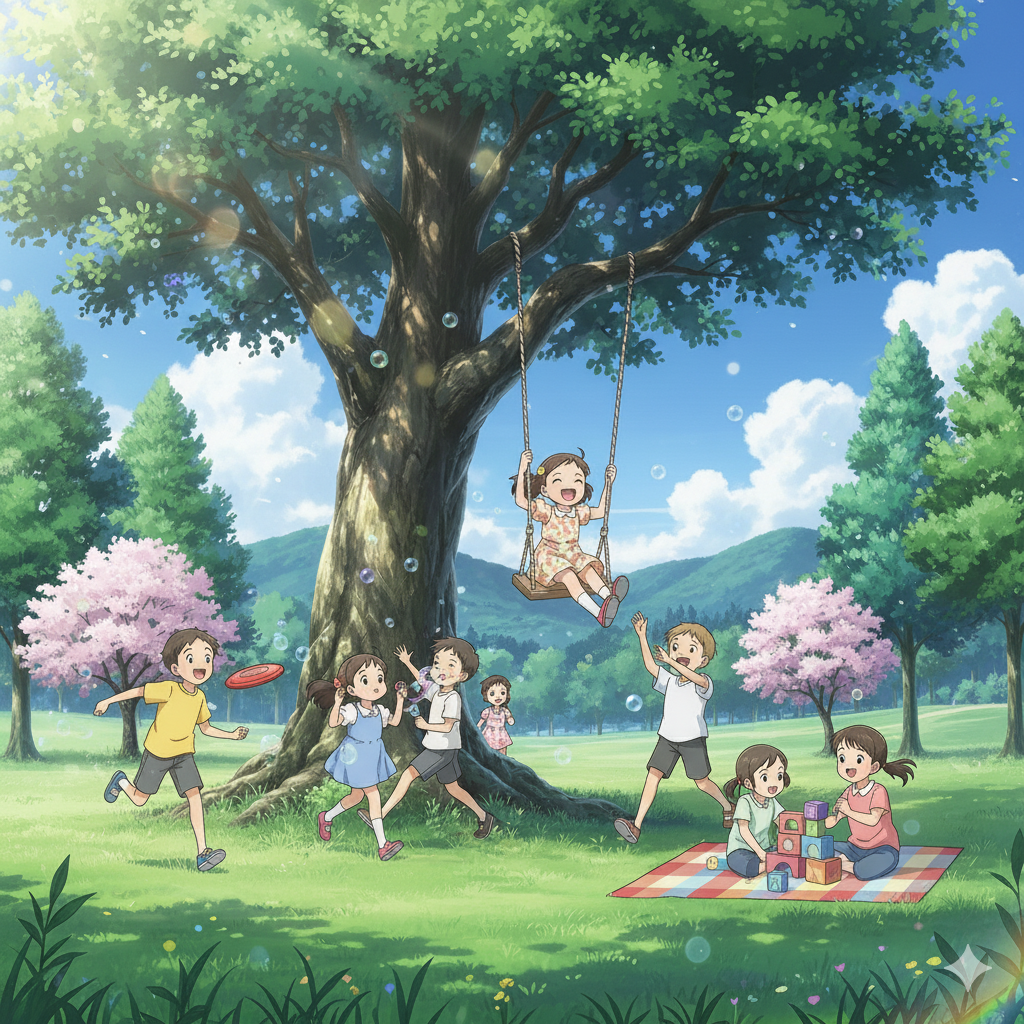







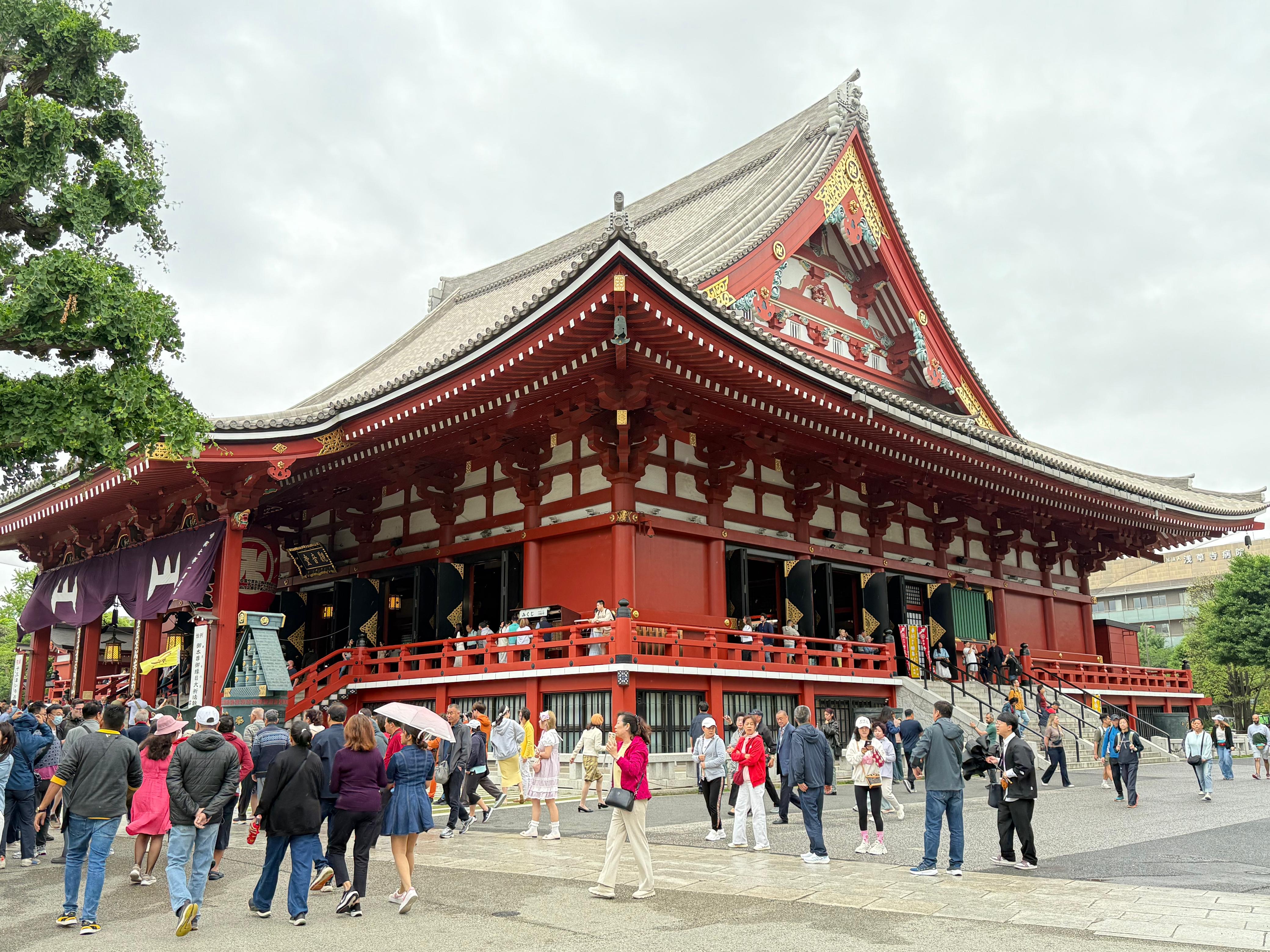


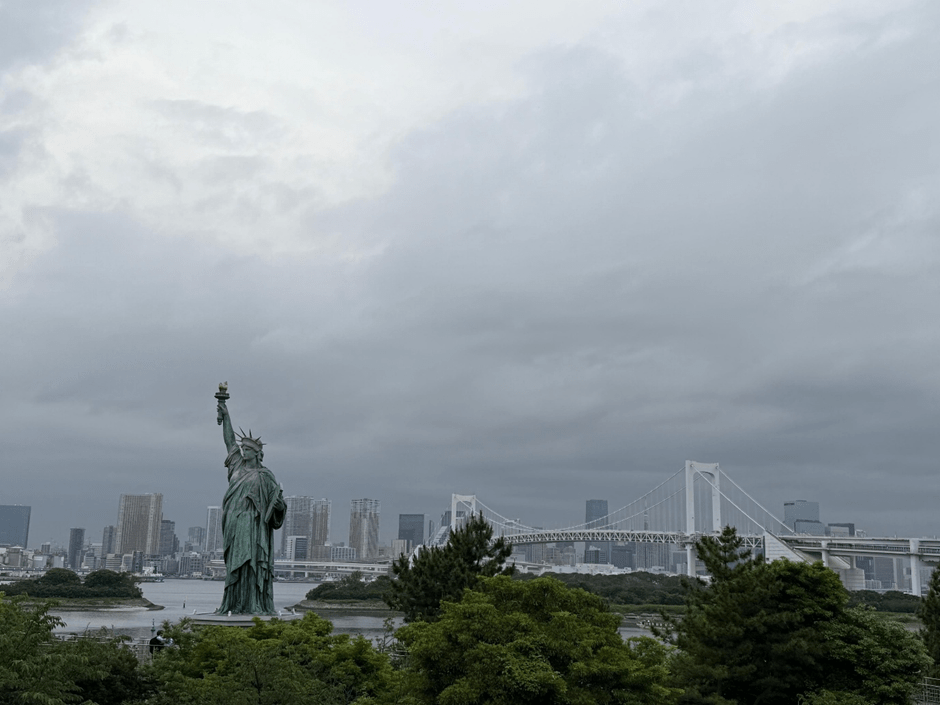



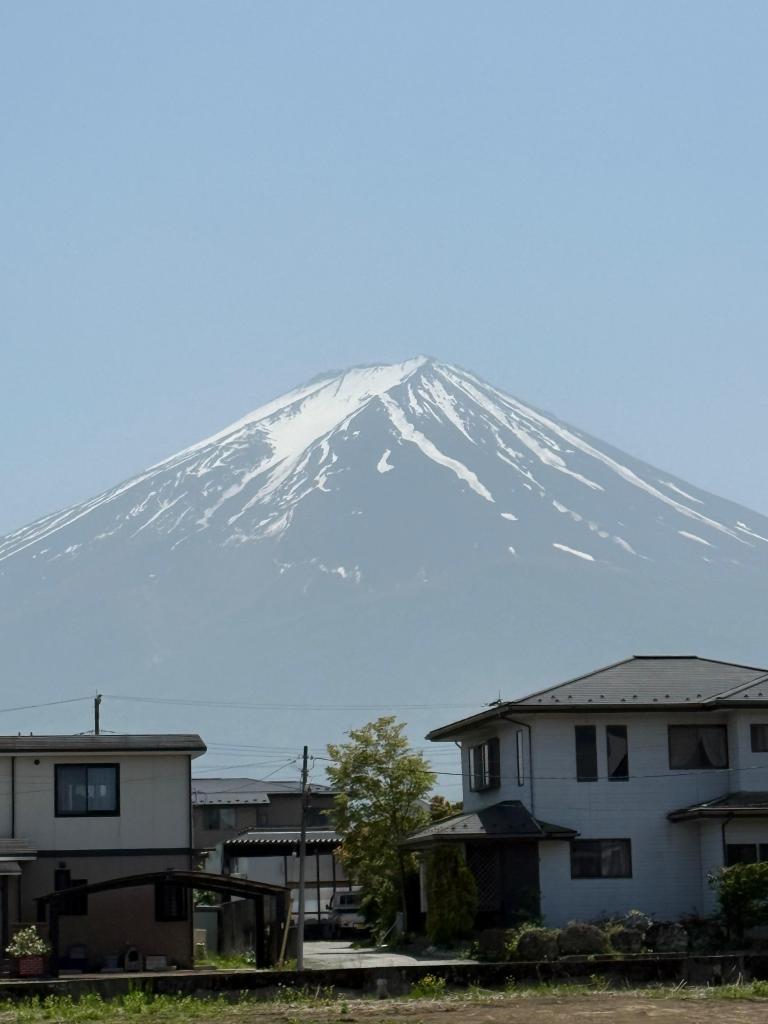


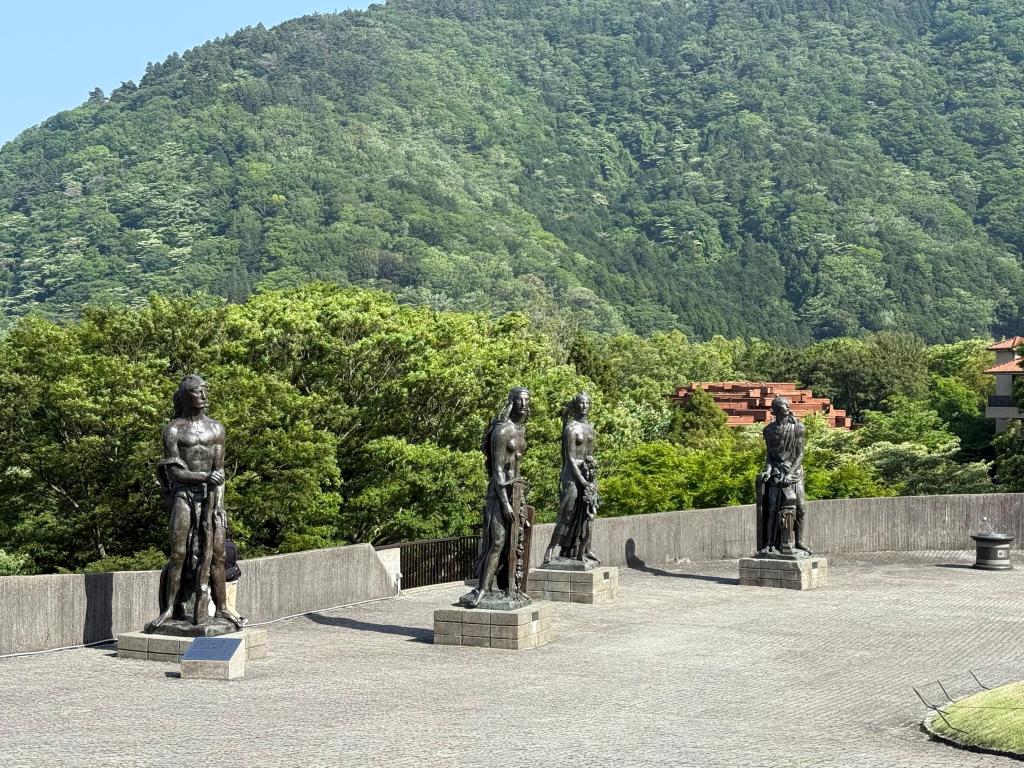

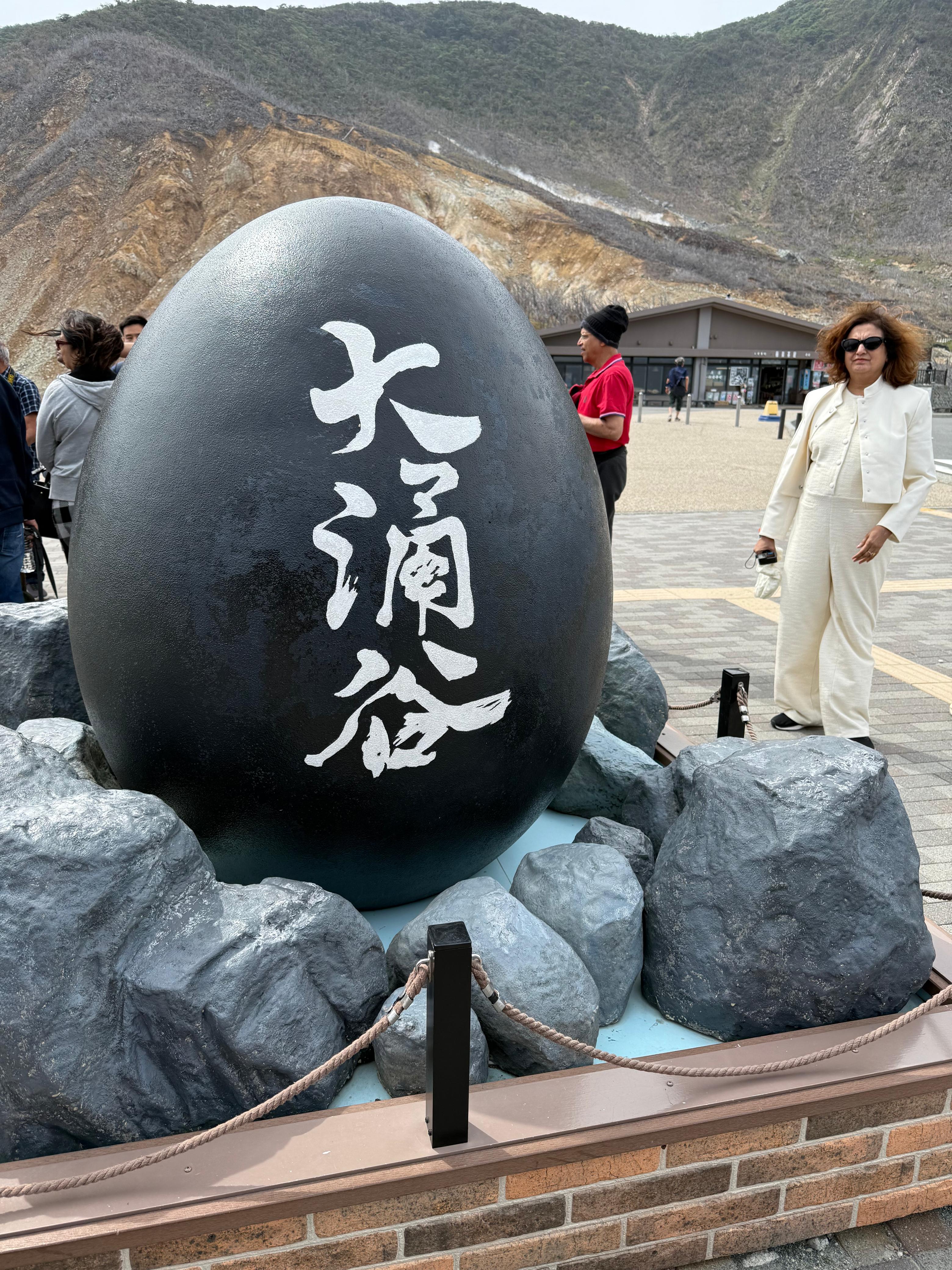


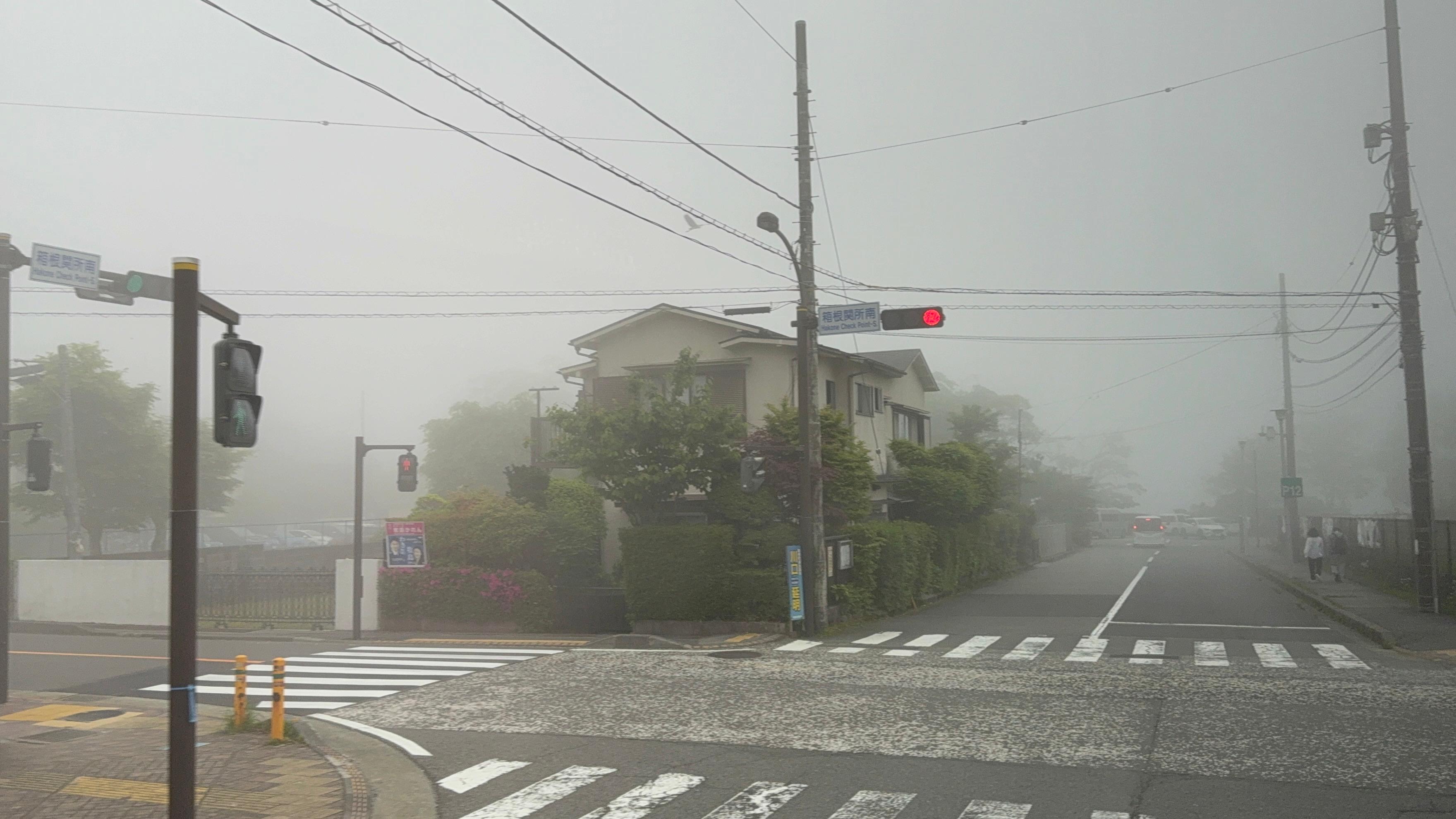

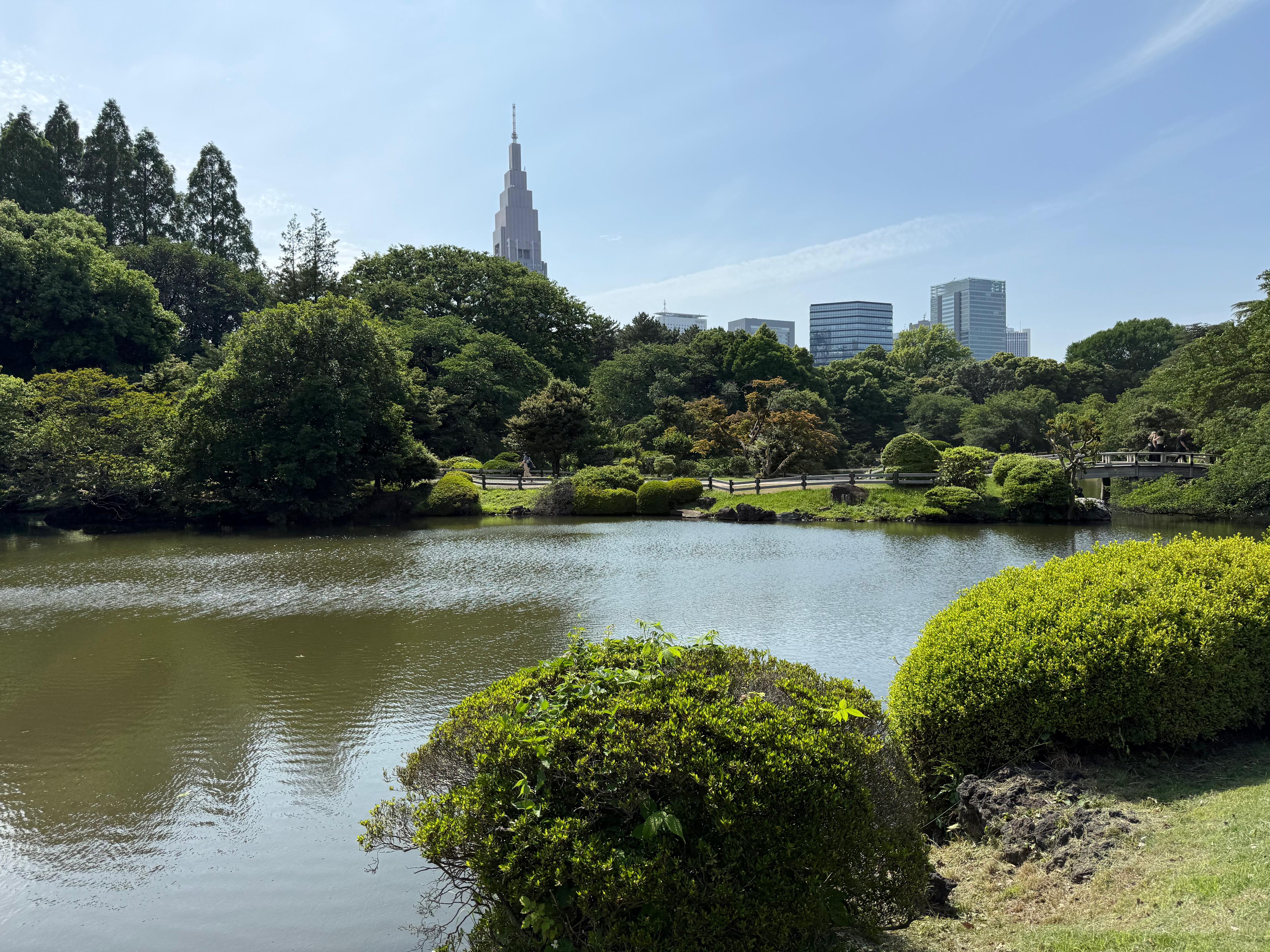
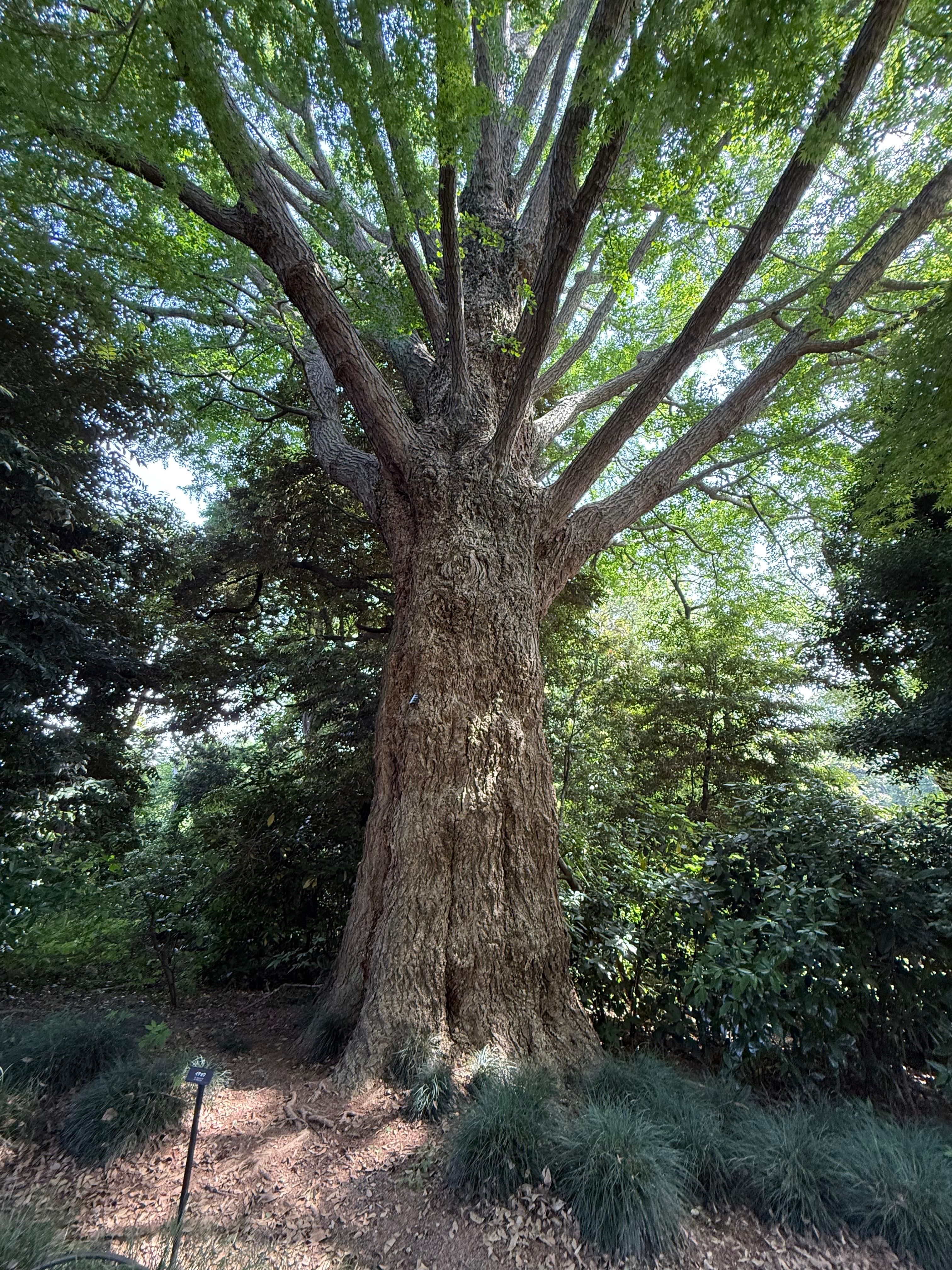


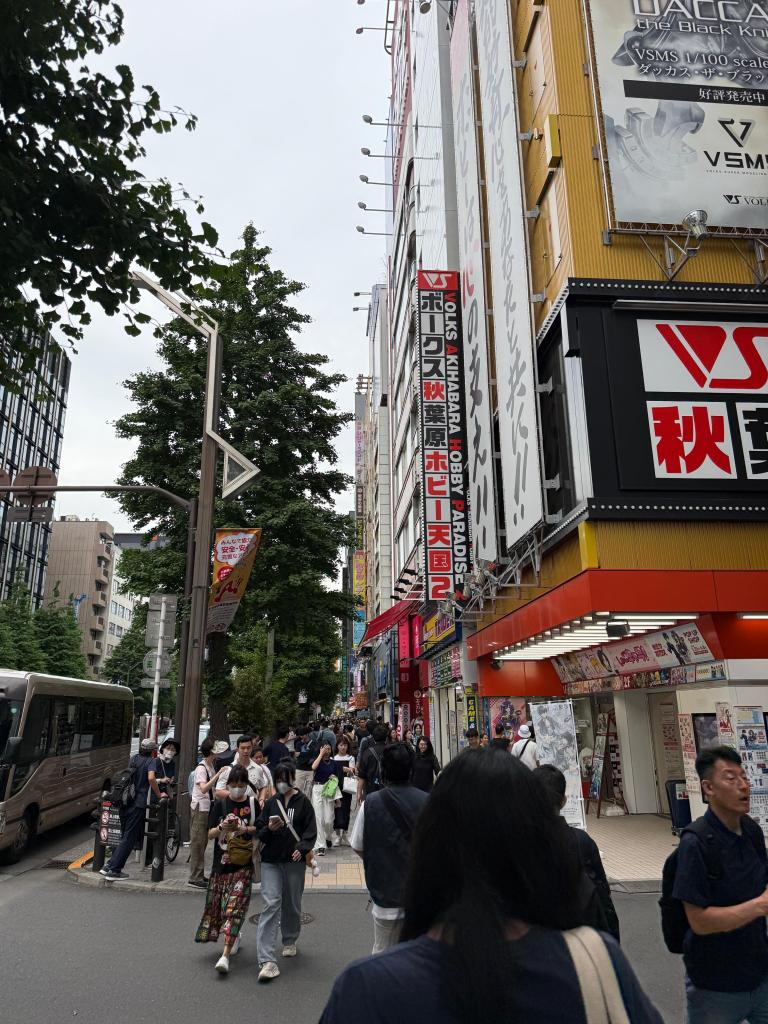

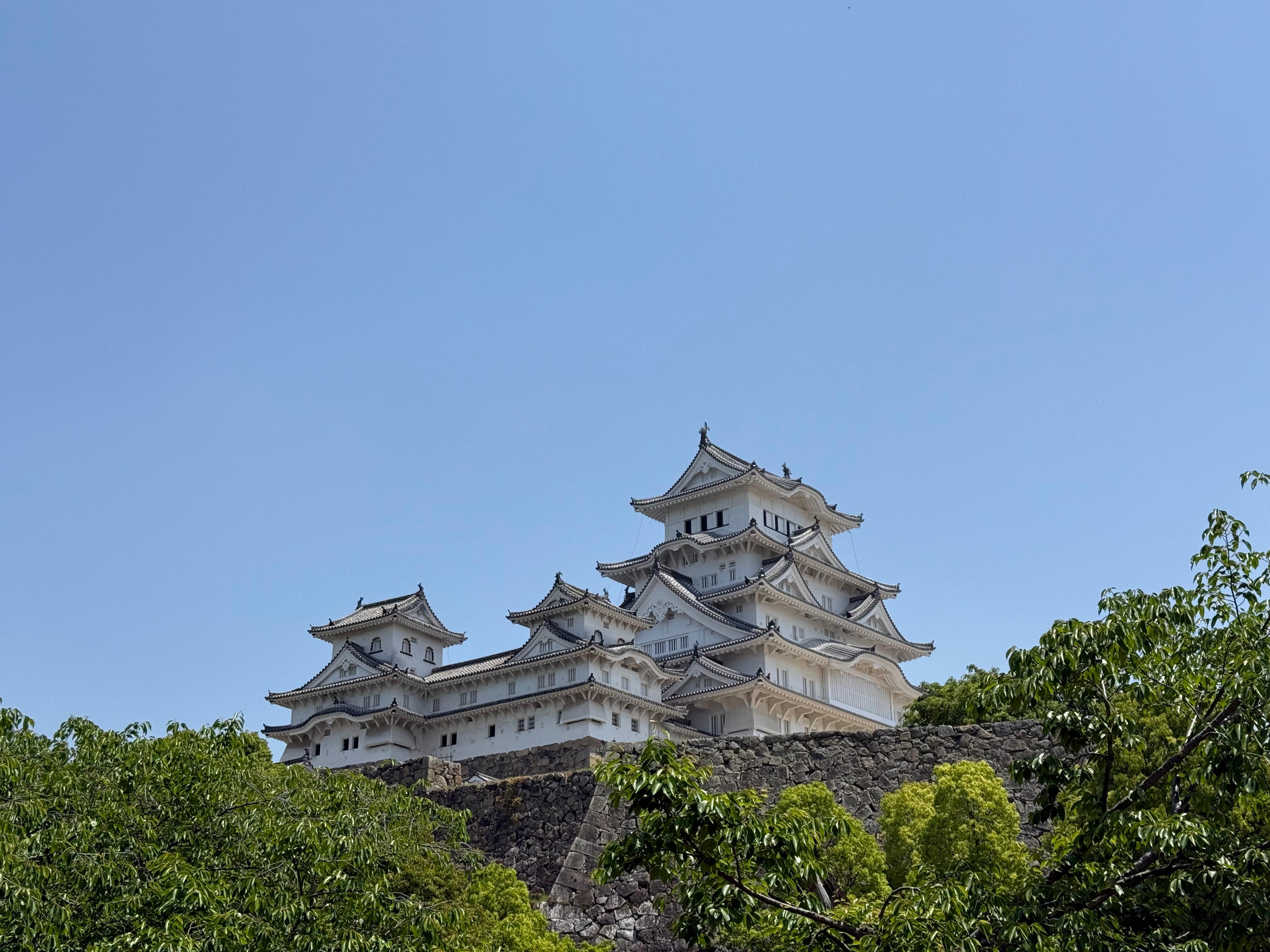


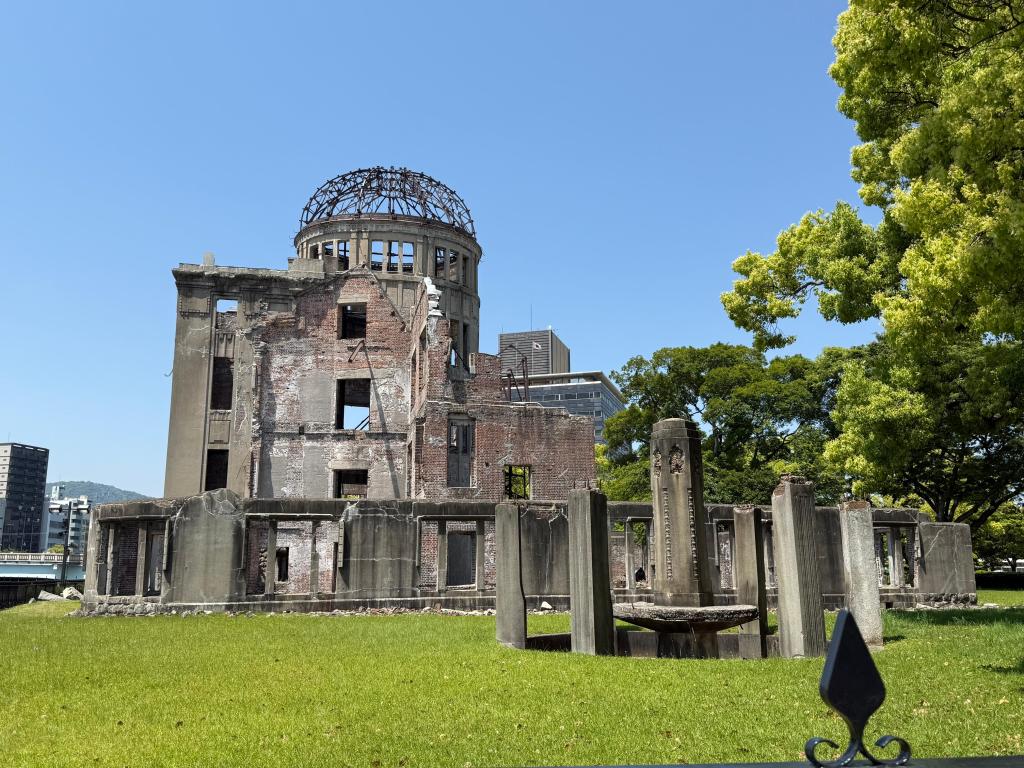
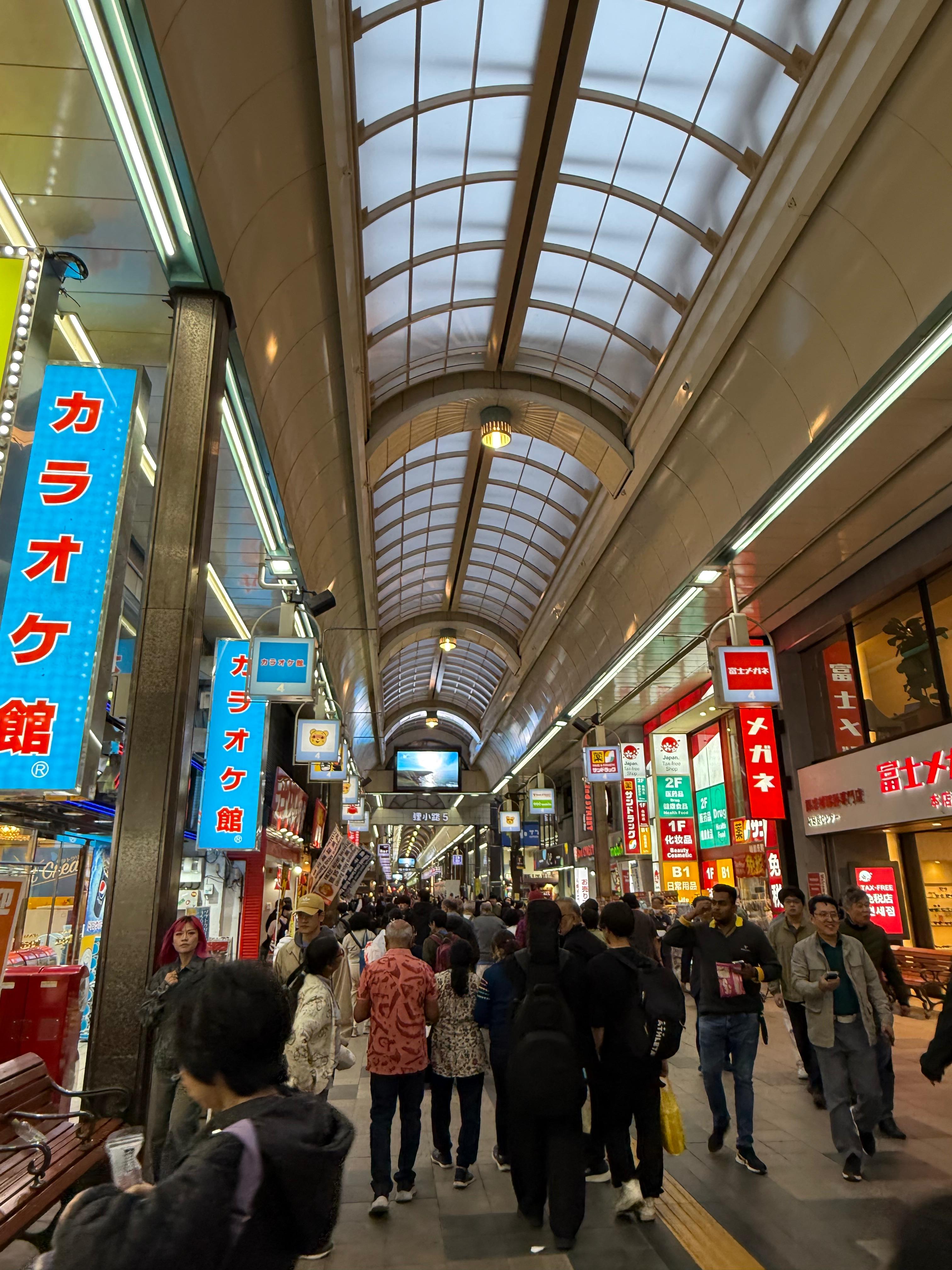
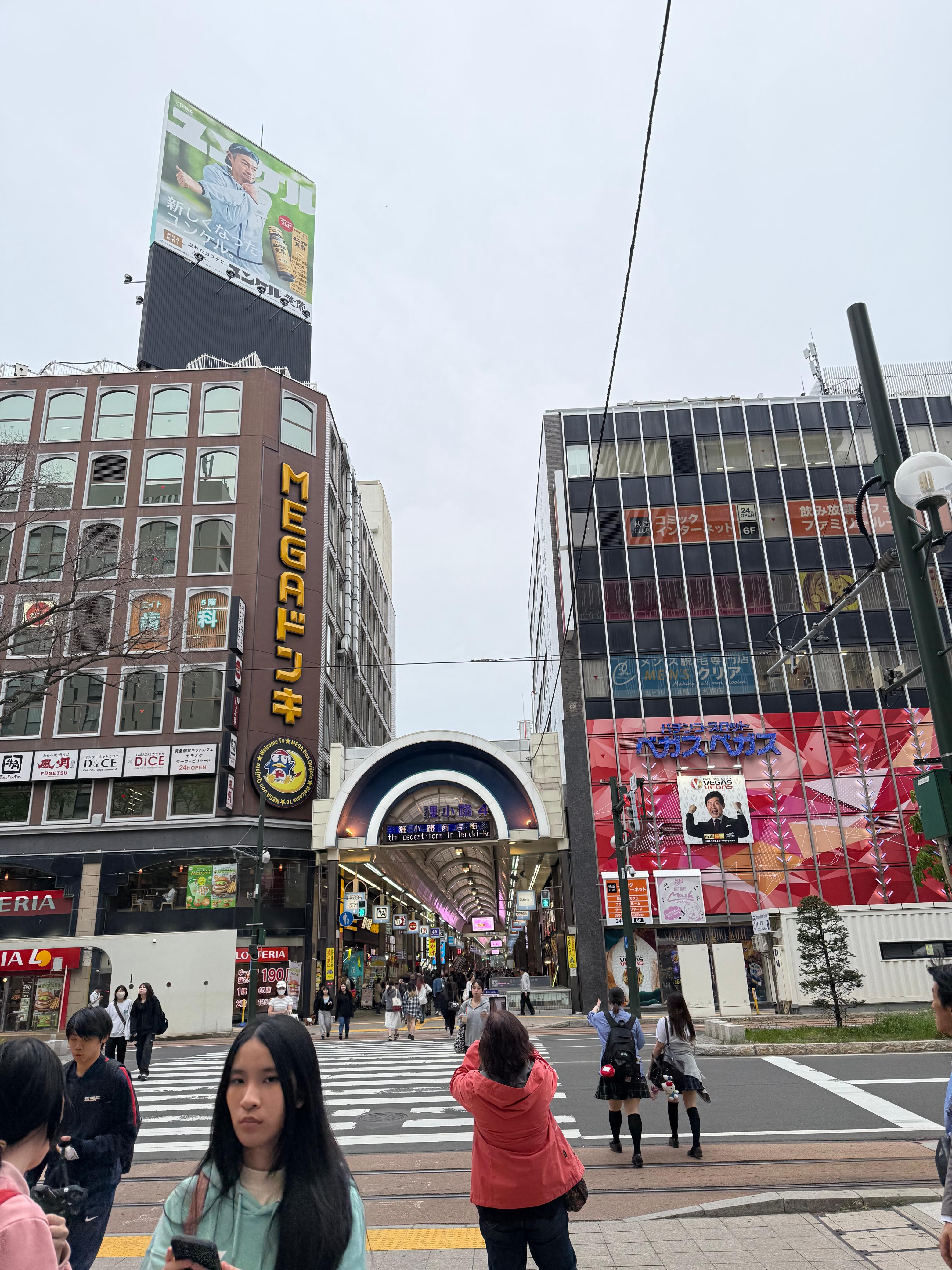
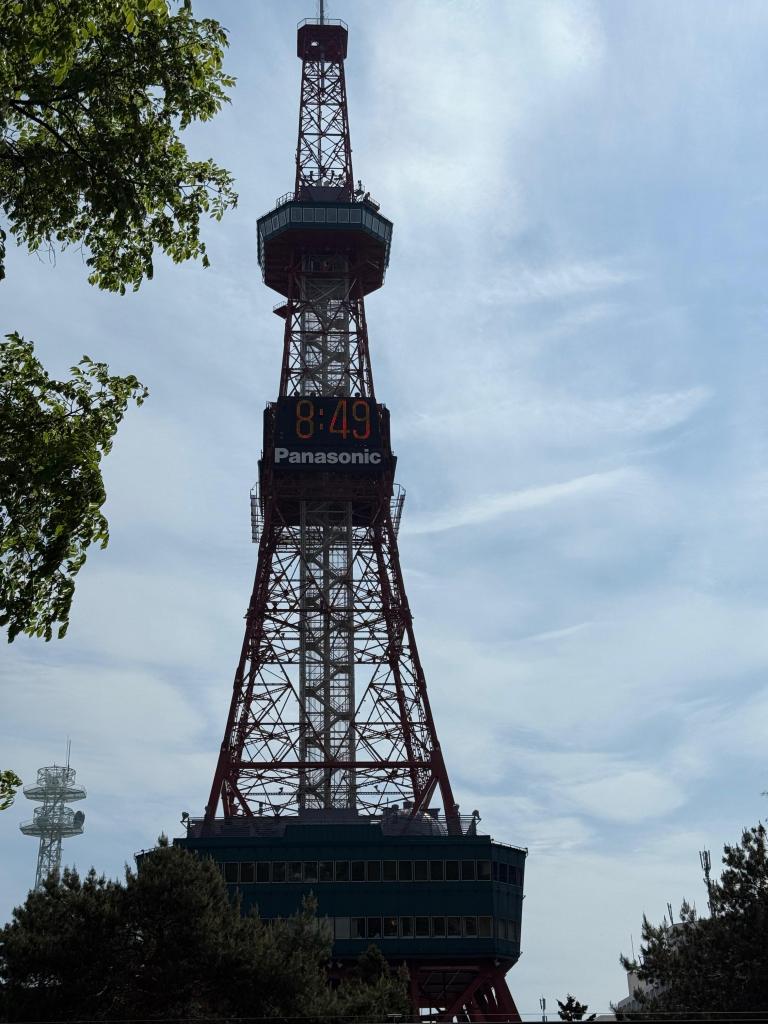
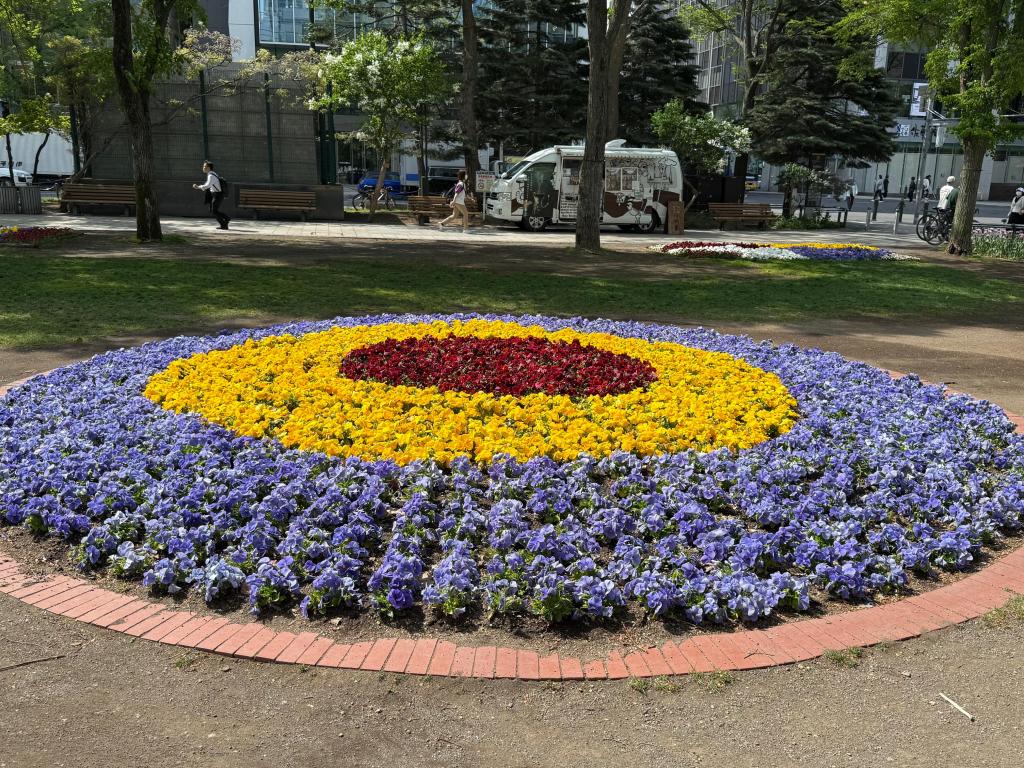

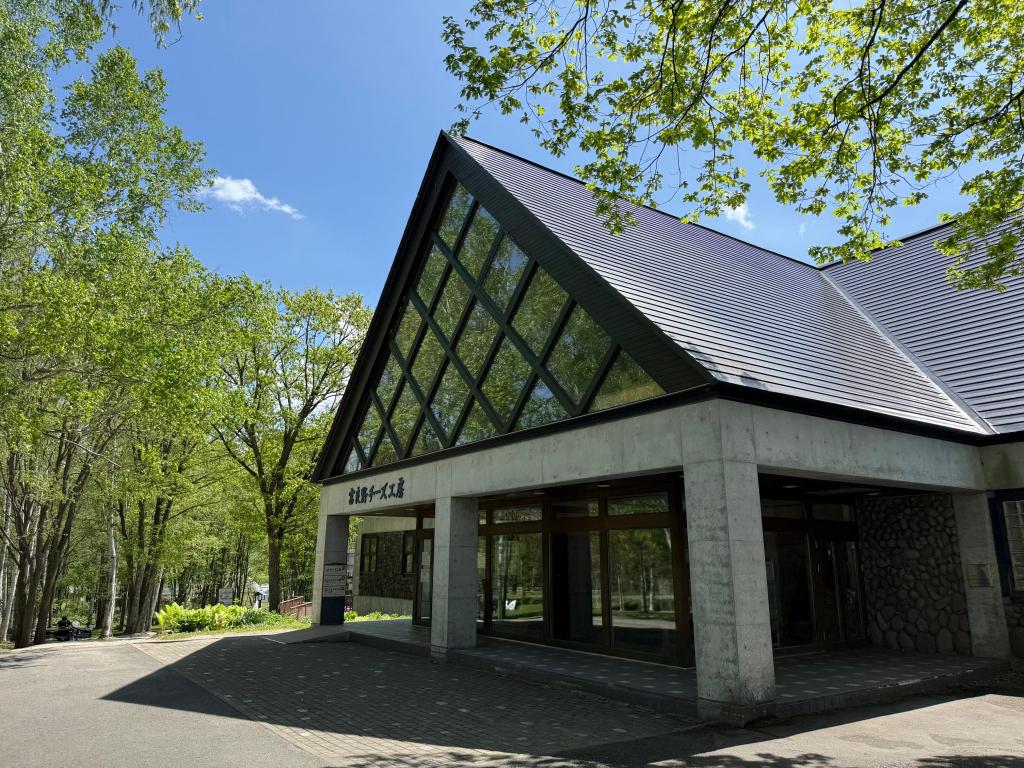

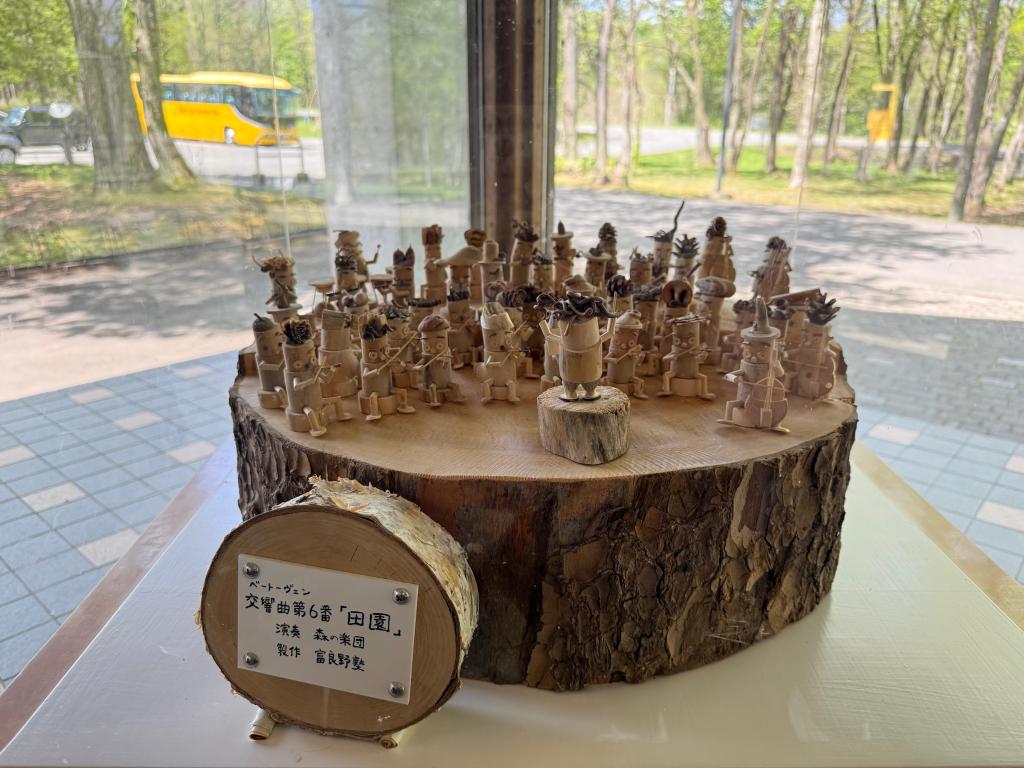
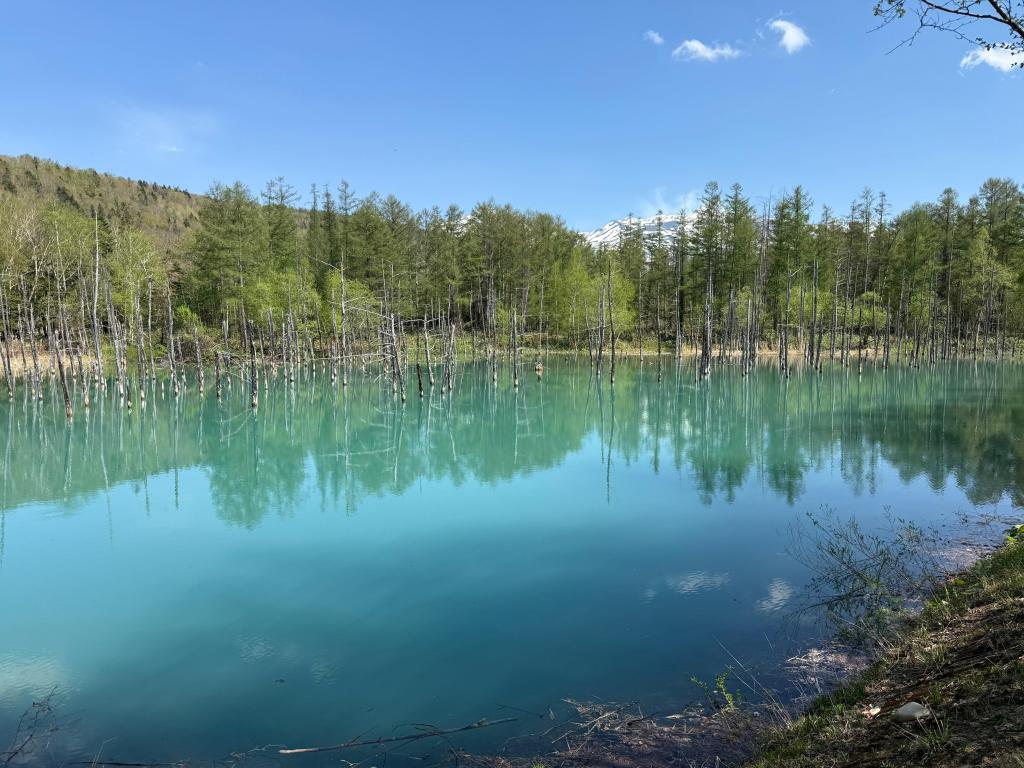
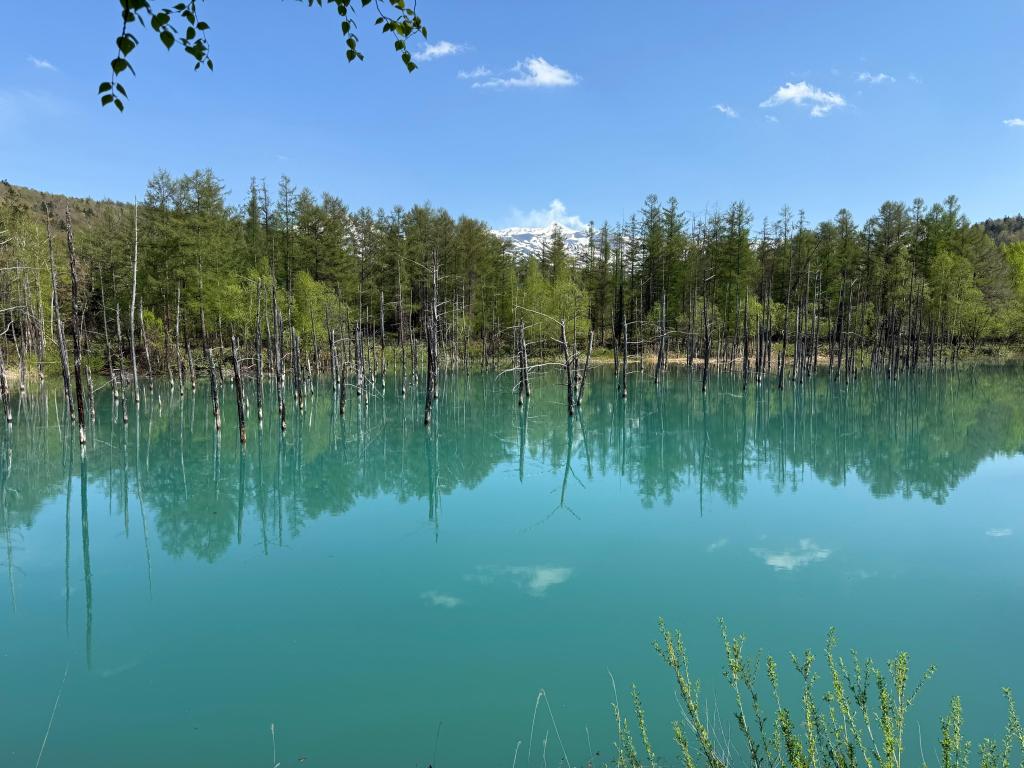




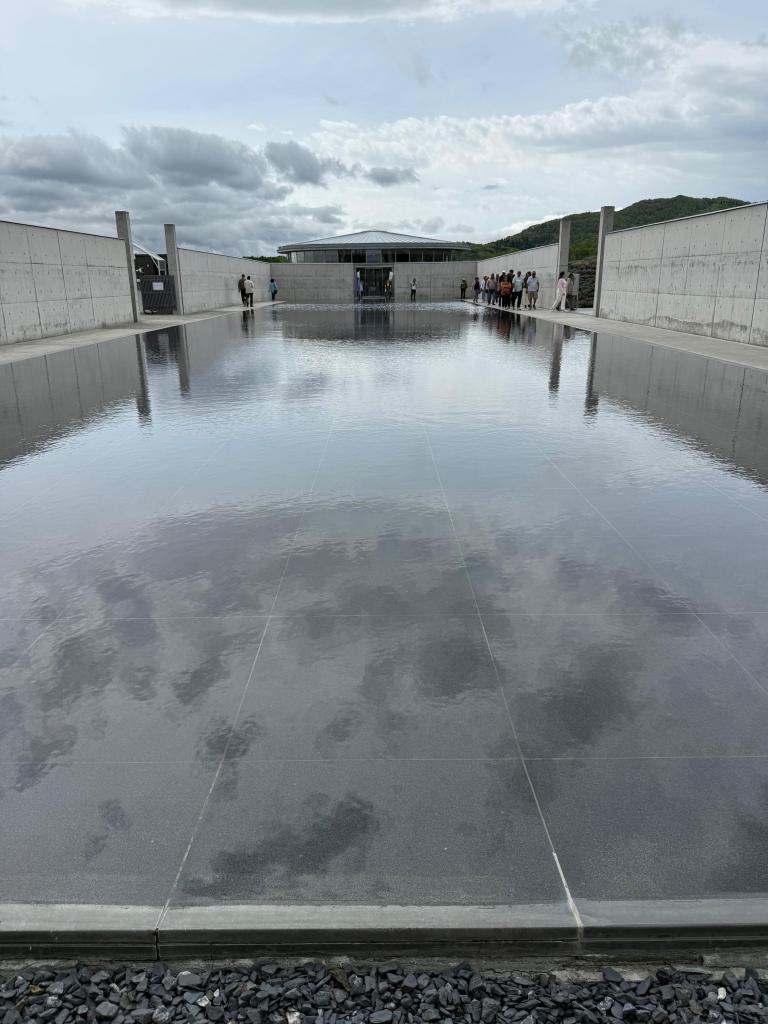
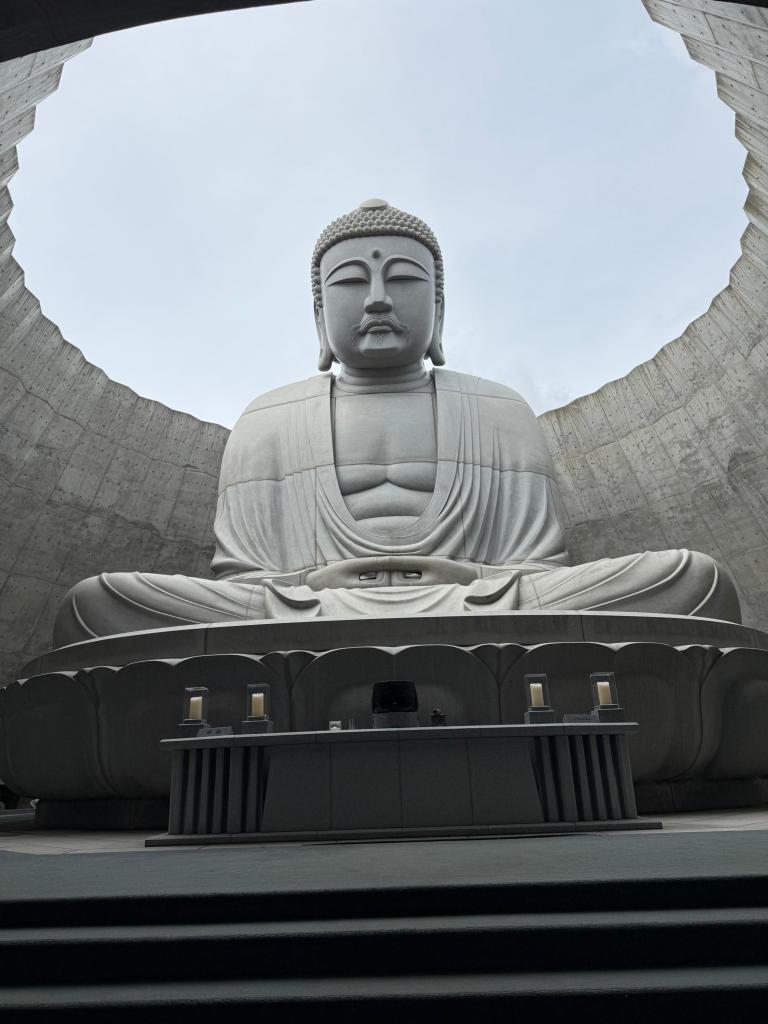
 SoulMapStories.com