
Hiroshima & Sapporo
The next day I travelled to Hiroshima- A City of Quiet Resilience
Hiroshima is a city where history breathes through every street, yet so does hope. Known globally for the devastating atomic bombing in 1945, Hiroshima today is a symbol of peace, strength, and renewal. Walking through its serene parks and vibrant neighborhoods, you don’t just witness a city—you feel its soul.
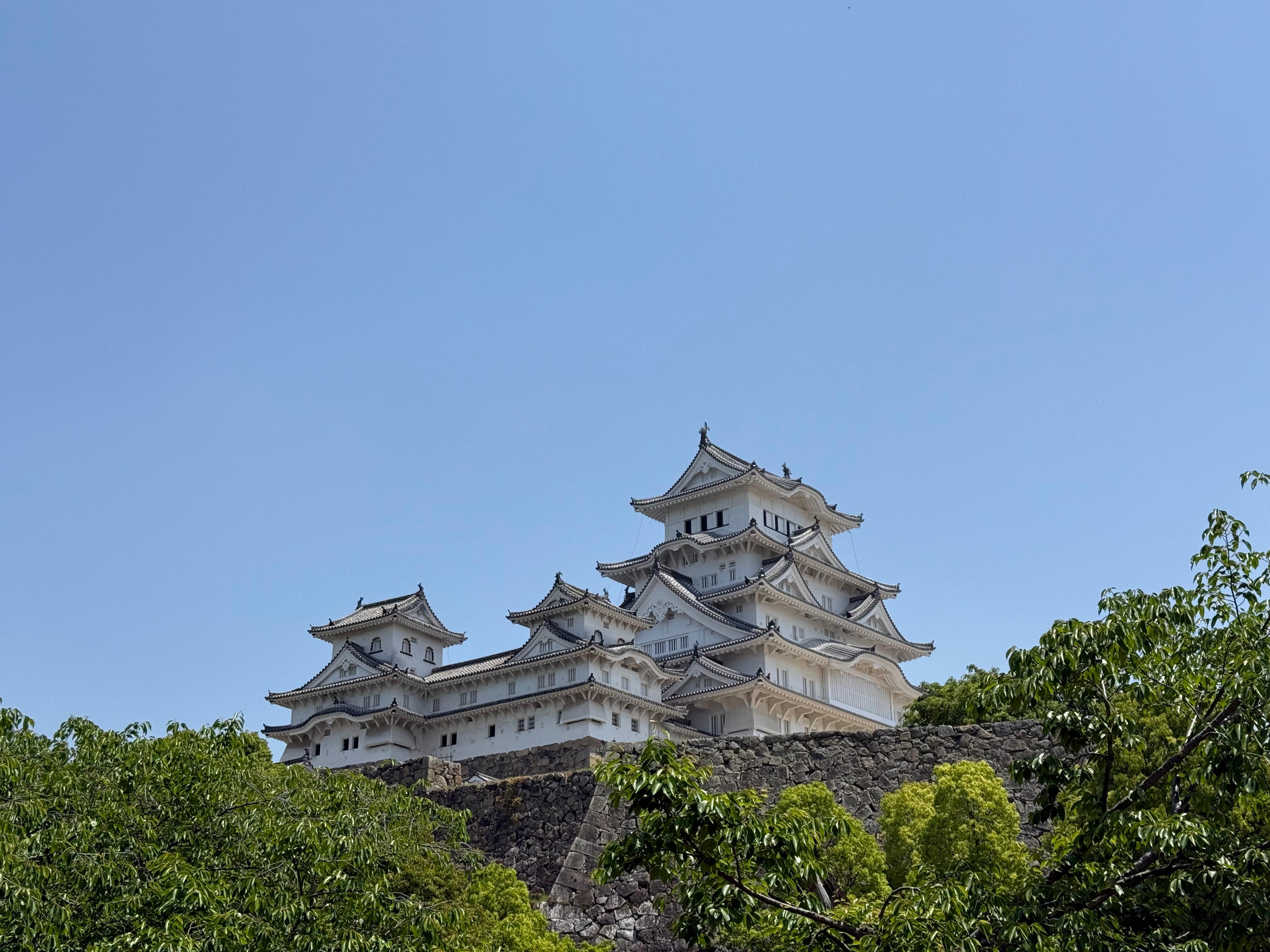
Himeji Castle – Japan’s White Heron in Flight
Nicknamed the “White Heron Castle” (Shirasagi-jō) for its elegant, wing-like design, Himeji Castle is not only one of Japan’s most beautiful and best-preserved castles, but also a UNESCO World Heritage Site and a national treasure.
With its dazzling white walls, maze-like defences, and commanding views, Himeji Castle offers an unforgettable window into samurai-era Japan—untouched by time, war, or natural disaster. A Castle That Defied Time-Built in its current form in 1609, Himeji Castle has remarkably never been destroyed or rebuilt, surviving wars, earthquakes, and even World War II bombings when much of the city was flattened.
Today, it stands as the finest example of Japanese castle architecture, showcasing both military ingenuity and aesthetic beauty. Coated with white plaster, symbolizing purity and fire resistance. Maze-Like Pathways: Designed to confuse enemies with zigzagging gates, dead ends, and hidden traps.
Inside the Six-Story Keep (Tenshukaku)
The main keep (or Dai-Tenshu) of Himeji Castle rises majestically six stories above ground (with a hidden basement level), forming the strategic and symbolic heart of this architectural masterpiece. While it may look graceful and serene from a distance, inside it tells a story of defence, power, and survival.
Floor-by-Floor Breakdown
Basement Level (Hidden Floor) – Storage & Escape
- Once used for storing food, weapons, and siege supplies
- Features secret passageways and concealed staircases
- Hidden from attackers, yet vital for sustaining the castle during a siege
1st Floor – Entry & Defence Hub
- Spacious interior supported by thick wooden pillars
- Features racks where weapons and spears were once stored
- Strategically placed murder holes (ishi-otoshi) allowed defenders to drop stones or boiling water on intruders
2nd Floor – Warrior Quarters
- Narrow corridors where samurai would patrol
- Openings for archers and gunners
3rd Floor – Tactical Control
- A more compact level with fewer windows
- Used as a staging ground for inner defences
- Feels darker and more enclosed—emphasizing the shift from outward beauty to inner fortitude
4th Floor – Command Point
- Strategic lookout area for the daimyo (feudal lord) or his commanders
- Offers sightlines over all approaches to the castle
5th Floor – Last Line of Defence
- Smaller space, optimized for final resistance if the castle was breached
- The narrowest floor—emphasizing the layered, pyramidal design
6th Floor (Top Floor) – Sanctuary & Watchtower
- Houses a small shrine dedicated to Osakabe-no-kami, the mythical guardian deity of the castle
- Windows on all sides offer panoramic views of Himeji City and Mount Shosha
- Peaceful and bright—symbolizing a sense of divine protection and the calm after conflict
What one will notice inside
- Original wooden beams and steep staircases—still intact from the 1600s
- No elevator or modern additions—visitors climb using the same narrow steps as samurai once did
- Airy yet strong—a perfect blend of beauty and defence
Keep in mind-
Climbing the keep is physically engaging, with narrow, steep staircases. Wear comfortable shoes and take your time. The view from the top is a rewarding moment of reflection, where history meets horizon.

Miyajima Shrine – Floating Gateway to the Divine
The journey to Itsukushima Shrine begins not with footsteps, but with a gentle ferry ride across the Seto Inland Sea. Departing from Hiroshima’s mainland, the short trip to Miyajima Island is much more than a simple transfer—it’s a tranquil passage into Japan’s spiritual and scenic soul.
A Shrine That Floats on Water one of Japan’s most iconic and spiritual sites, Itsukushima Shrine—often called Miyajima Shrine—is world-famous for its “floating” torii gate, which appears to rise from the sea during high tide. Located on Miyajima Island (literally “Shrine Island”), this site blends natural beauty, spiritual serenity, and architectural elegance into one mesmerizing experience. Standing at 16 meters (53 feet) tall, this iconic gate is constructed from camphor wood. During high tide, it appears to float on water; at low tide, you can walk right up to its base. Miyajima is also home to tame deer, believed to be messengers of the gods. You’ll find them calmly wandering the island, especially near the shrine and paths.
Dedicated to Three Sea Deities:
The shrine honours the daughters of the Shinto storm god Susano-o: deities of the sea, navigation, and fortune.
A Place of Purity:
Historically, births and deaths were prohibited on the island to preserve its sacredness. Even today, no cemeteries exist on Miyajima.
Moment of Reflection
Walking through the floating corridors of Miyajima Shrine as the sea gently laps below is nothing short of magical. As the sun sets and the Great Torii glows in the golden light, the island radiates a sense of timeless peace—a moment of harmony between land, sea, spirit, and self. Gazing at the torii gate, I was struck by how even the simplest form of beauty could feel so divine and pure. It was as if, in that quiet moment, my spirit had been gently cleansed—and I felt an overwhelming sense of peace and ease settle within me. There was a deep, unspoken peace in the air—one that stayed with me long after I left.


Hiroshima Peace Memorial Park & Museum – A City’s Plea for Peace
In the heart of modern Hiroshima lies a place where time pauses and humanity reflects. The Hiroshima Peace Memorial Park and its museum stand not only as a memory of one of history’s darkest moments, but as a living call for peace, resilience, and hope for future generations.
Designed by renowned architect Kenzō Tange, this tranquil 120,000 sq. meter park was once ground zero’s bustling commercial district. Now, it’s filled with:
- Tree-lined paths and water features offering space for reflection
- The Peace Flame, continuously burning since 1964, will remain lit until all nuclear weapons are eliminated
- Memorial Cenotaph, inscribed with the words:
“Let all the souls here rest in peace, for we shall not repeat the evil.” - The Sadako Sasaki Monument, also known as the Children’s Peace Monument, honours the memory of a young girl who folded over a thousand paper cranes in hope of healing after the atomic bomb. Today, it stands surrounded by colourful cranes sent from around the world as symbols of peace and hope.
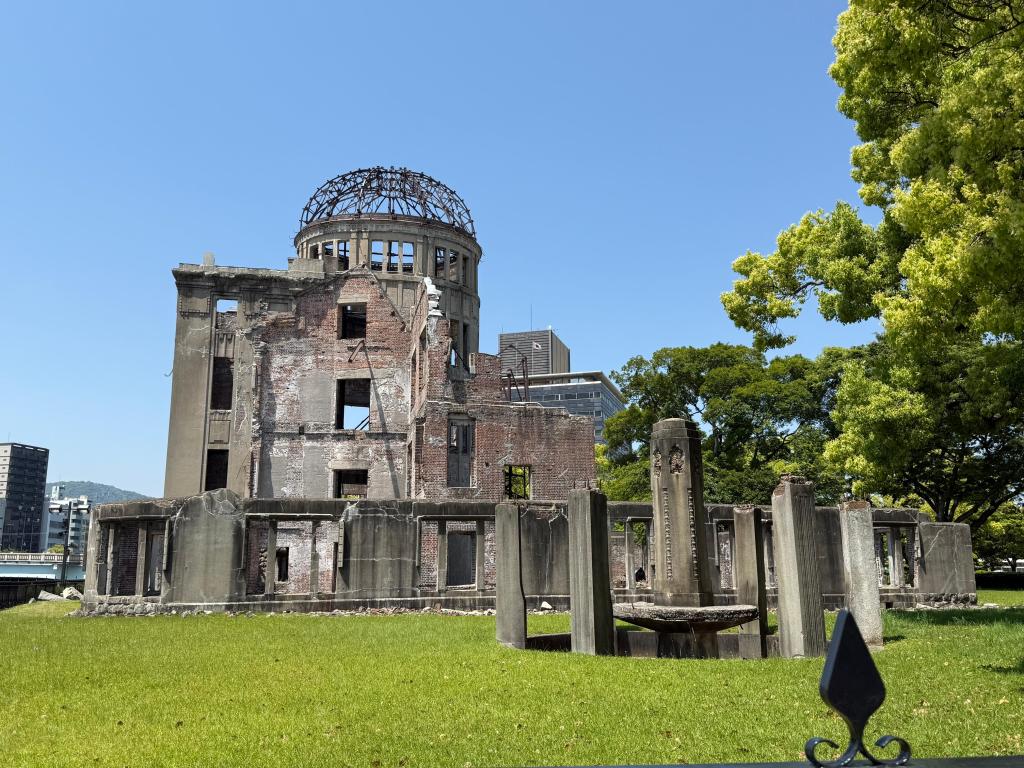
The Atomic Bomb Dome (Genbaku Dōmu)
One of the few structures left standing near the hypocenter, the Atomic Bomb Dome has been preserved exactly as it was after the blast. It’s now a UNESCO World Heritage Site, symbolizing both destruction and resilience.
As I walked through the museum, my heart broke. My eyes welled with tears as I took in the haunting images and the belongings left behind by those affected by the bombing. No words could truly capture the depth of the pain or offer comfort for such immense loss. The sadness was overwhelming—an echo of a tragedy that still lingers in the silence of each exhibit.
And yet, amidst the sorrow, there was also a powerful message of resilience. The city, once reduced to ashes, found the strength to rise again—a symbol of hope, peace, and the enduring human spirit.
No matter your background or beliefs, standing in this park changes you. It humbles, educates, and awakens empathy. Amid the silence, the only sound you’ll hear is the promise whispered by the wind: Never again.
Hiroshima’s Message to the World- Every year on August 6, Hiroshima hosts a Peace Memorial Ceremony. At 8:15 AM—the exact time of the bombing—a moment of silence is held, and thousands release lanterns onto the river to honour those lost. The city has pledged never to forget, and never to let history repeat.
What’s most moving about Hiroshima is not just its tragic history—but how it chose peace over bitterness, beauty over destruction, and growth over grief. As a traveler, Hiroshima reminds you of the fragility of life—and the incredible strength of the human spirit.

With a heavy yet grateful heart, it was time to say goodbye to Hiroshima. I boarded the Nozomi Shinkansen back to Osaka—an experience in itself, combining breathtaking speed with the impeccable punctuality Japan is known for. The smooth hum of the rails, the blur of countryside views outside the window, and the calm within the cabin all created a peaceful space to pause and process. In just a short while, we were covering hundreds of kilometres—yet it felt almost timeless. I couldn’t help but reflect on the memories etched into my journey so far.
It wasn’t just a ride—it was a reminder of how far one can go, how quickly life moves, and how beautiful it is to carry moments of stillness with you, even at high speed.
As the Nozomi Shinkansen gently pulled into Osaka Station, I was greeted once again by the city’s vibrant pulse—so different from the solemn calm of Hiroshima, yet equally captivating. The contrast between the two cities was striking—Hiroshima with its quiet strength and reflective spirit, and Osaka with its lively streets, warm-hearted people, and boundless energy. I was ready to experience the next chapter of my journey—with new eyes, a fuller heart, and a spirit enriched by everything I had seen and felt.
A City of Contrasts
Osaka beautifully balances the historic and the modern. You’ll find ancient temples and traditional markets next to skyscrapers, digital displays, and futuristic attractions like Team Lab Botanical Garden.
The next day I travelled from Osaka to Sapporo – Snowy Charm and Northern Delights
Nestled on the northern island of Hokkaido, Sapporo is a city of contrasts—where icy winters meet warm-hearted locals. Famous for its snow festivals, ramen alleys, local beer (Birthplace of Japanese Beer – Home to the famous Sapporo Beer, Japan’s first brewery, founded in 1876.) and lush parks, Sapporo offers a refreshing twist on the traditional Japanese city experience. Sapporo is known as the “City of Ramen,” with its own signature miso ramen style.
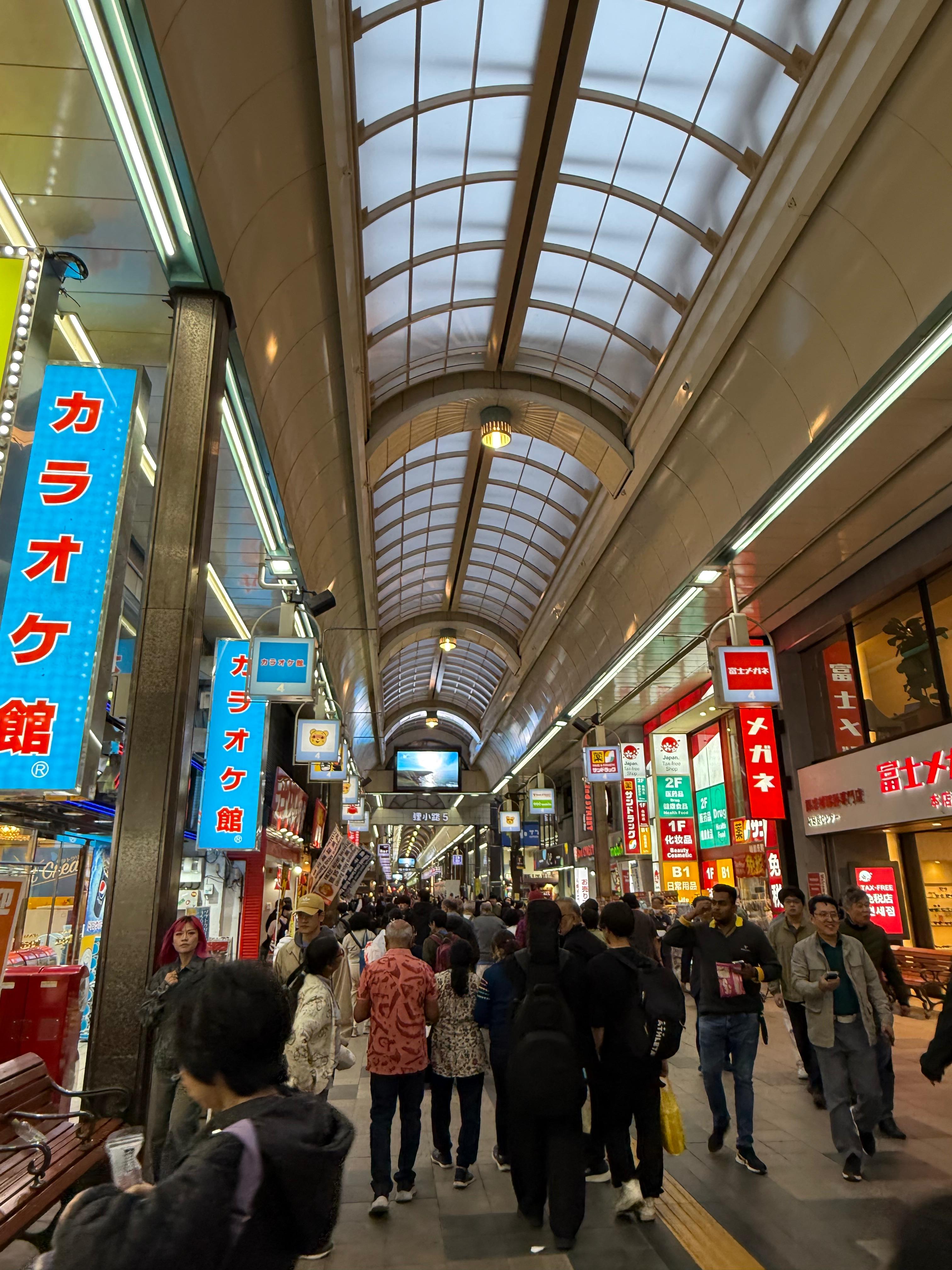
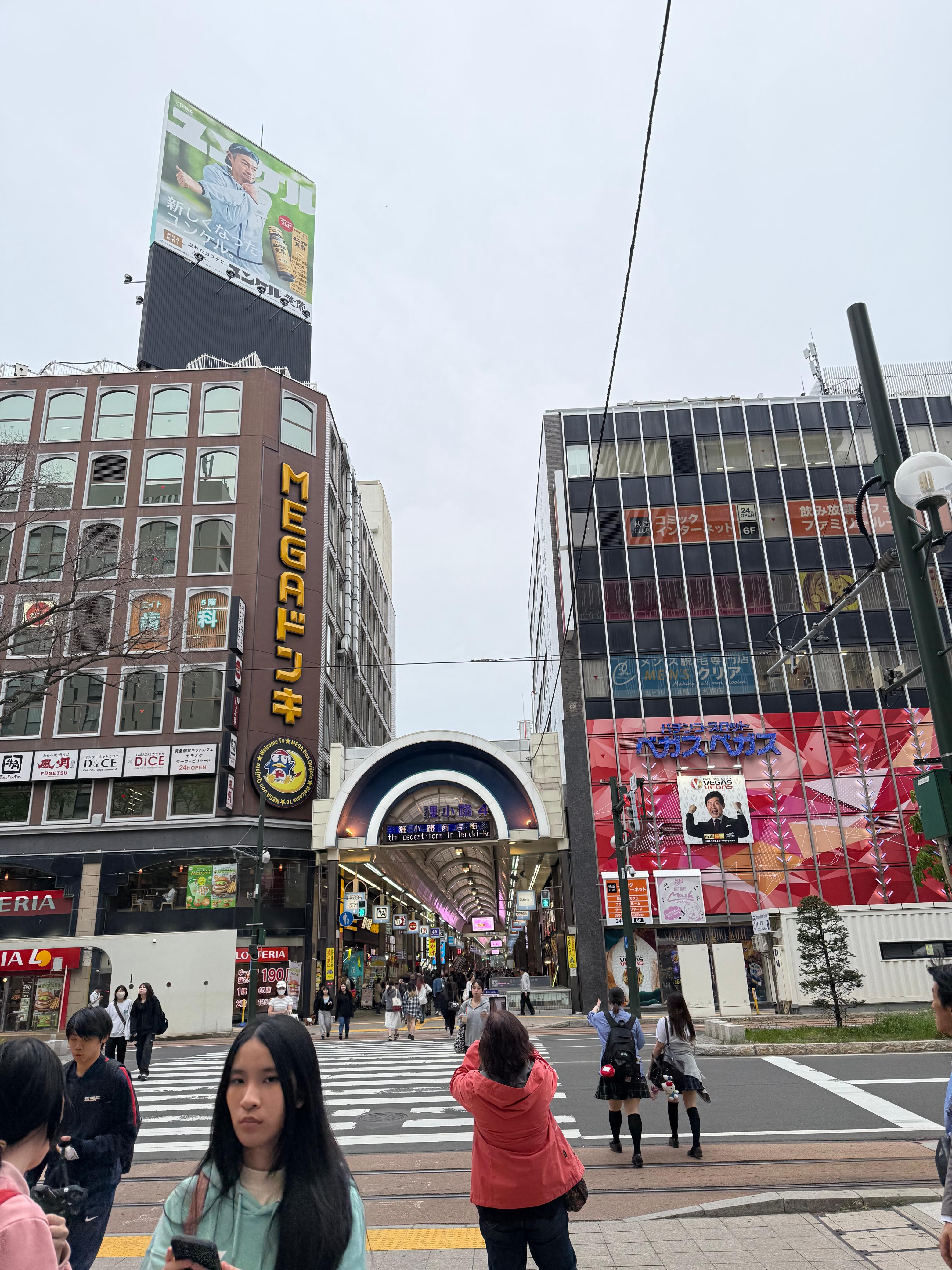
The first thing I did upon reaching Sapporo was dive straight into shopping—starting with the lively and bustling Tanukikoji Shopping Street. Stretching across several blocks, this iconic arcade is a paradise for shopaholics, with everything from quirky souvenirs and fashion finds to local snacks and beauty products. It was the perfect place to kick off my Sapporo adventure with energy and style.
From cute character-themed souvenirs to rows of Japanese beauty products, I found myself spoiled for choice. I picked up some locally made skincare items and of course, a few irresistible snacks to munch on as I explored. The arcade’s covered roof was a blessing too, letting me wander comfortably, rain or shine. It wasn’t just shopping—it was an experience, a window into local life and the creative flair of Sapporo.
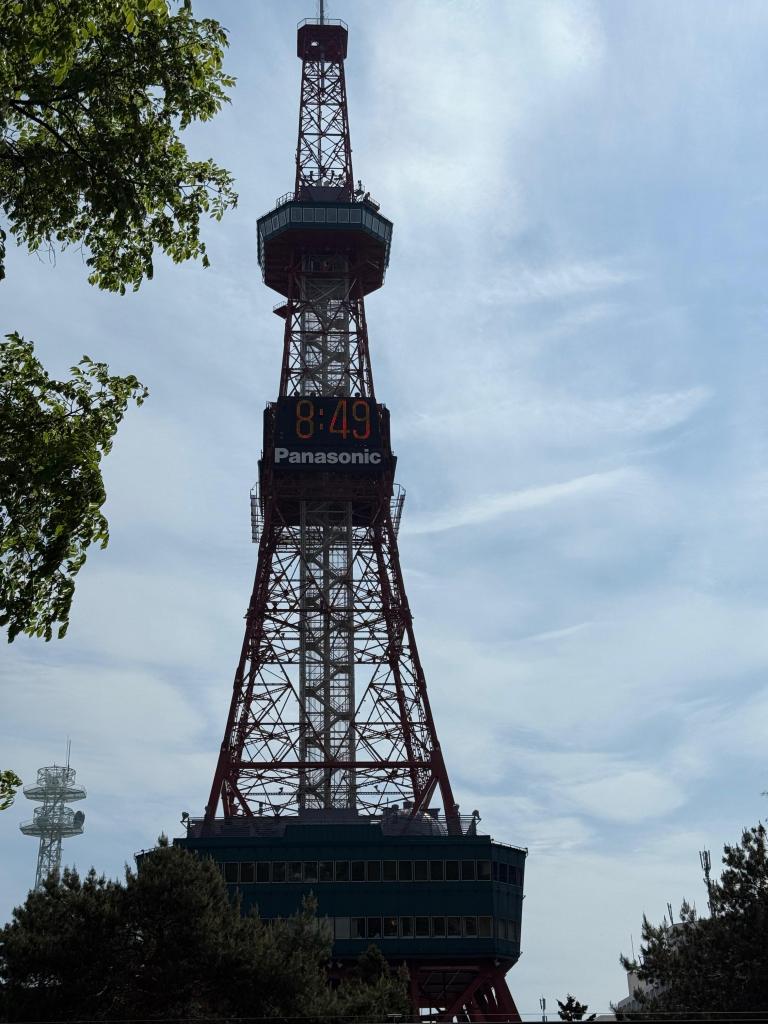
Sapporo TV Tower – The Icon of Odori Park
Standing tall at the eastern end of Odori Park, the Sapporo TV Tower is one of the city’s most recognizable landmarks. Built in 1957 and standing 147 meters high, this steel structure offers panoramic views of the cityscape, especially magical during winter when Odori Park transforms into a snowy wonderland.
Designed by Tachu Naito
The same architect behind Tokyo Tower, Naito was Japan’s foremost expert in steel tower design.
A Highlight During Snow Festival
The tower becomes a prime viewing spot during the Sapporo Snow Festival, offering a bird’s-eye view of illuminated snow sculptures.
Odori Park as a Natural Runway
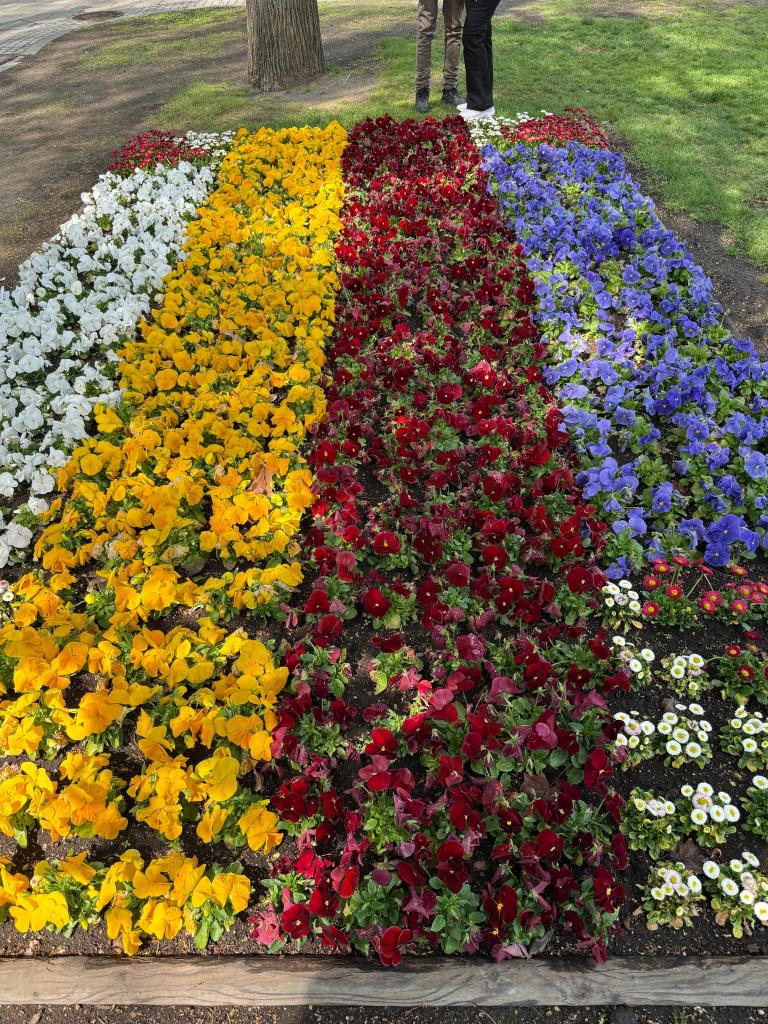
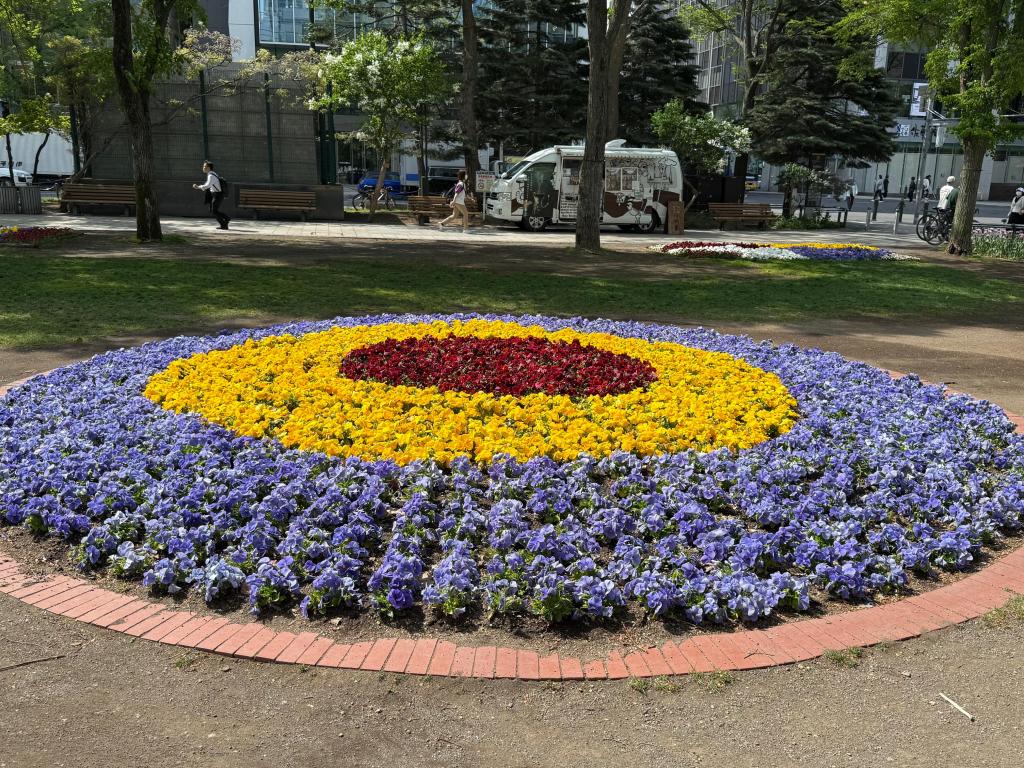
The park stretches 1.5 km westward from the base of the tower—like a green runway, changing colour each season: pink in spring, green in summer, red-gold in autumn, and white in winter. Since I visited in May, I was lucky to witness vibrant flowers in full bloom—painting the landscapes in soft pastels and brilliant hues. It was a sight that soothed both the eyes and the heart. With every step, I found beauty worth remembering, and with every photo I took, I felt as if I was capturing not just an image, but a memory etched into my heart forever.
Events Held Here-
Sapporo Snow Festival (February)
Famous for massive snow and ice sculptures, Odori Park is the main site of this world-class winter celebration.
Sapporo Lilac Festival (May)
Celebrate the city’s official flower with music, food stalls, and floral displays.
Sapporo Summer Festival & Beer Garden (July–August)
The entire park becomes a huge beer garden, with tents from major Japanese breweries like Sapporo, Asahi, and Kirin.
Illuminated at Night
The tower features seasonal lighting displays, including Hokkaido-themed colors and animations.
Digital Clock Addition in 1961
The large clock display was added to help Sapporo residents stay punctual—a unique blend of utility and design.
TV Broadcasting Role Diminished
While it was once a hub for TV transmissions, newer technologies have taken over. Today, the tower is more of a tourist and cultural icon.
Tower Mascot: Terebi-Tou-san (Mr. TV Tower)
A cute, mustachioed cartoon version of the tower often seen in souvenirs and promotions—he’s a local celebrity in his own right!
Sapporo Beer Museum – Taste the History of Japan’s Oldest Beer
If you’re in Sapporo and love history, culture, or just a good cold brew, the Sapporo Beer Museum is a must-visit! Located in a red brick Meiji-era building, this is the only beer museum in Japan—and it celebrates over 145 years of brewing tradition. Japan’s first beer brand, began in 1876 with German brewing techniques and Hokkaido’s cool climate.
As I sipped the oishii (delicious) beer, its crisp and refreshing taste stood out—it was the perfect way to unwind and toast the end of a memorable day in Sapporo.

Next, I boarded a bus to Furano, passing through the scenic landscapes that make Sapporo so unforgettable. Rolling hills, lush greenery, and quaint countryside views unfolded outside my window like scenes from a painting. The journey itself felt like a gentle introduction to the natural charm that awaited me in Furano.
I was absolutely awestruck by the vibrant display of flowers in Furano—each bloom more beautiful than the last. To my delight, I even spotted a few lingering Cherry blossoms (Sakura)—a gentle reminder of spring’s fleeting magic. The entire scene was breathtaking, leaving me in quiet admiration of such natural beauty.
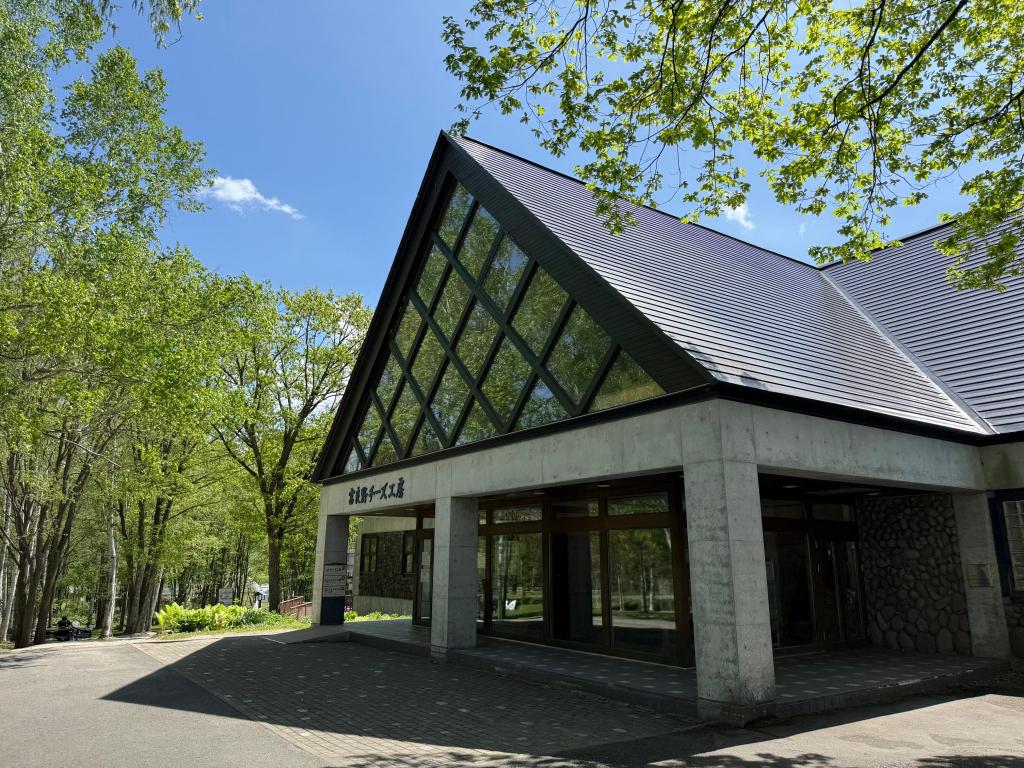
Furano Ice Cream Factory – A Scoop of Hokkaido’s Best
Located inside Furano Cheese Factory complex, the Furano Ice Cream Factory offers a creamy, colourful escape for dessert lovers and curious foodies alike. More than just a place to grab a cone, it’s a unique experience that captures the freshness of Hokkaido’s ingredients in every bite.
The ice cream here is made from rich Hokkaido milk, known for its smooth texture and purity. Every scoop burst with flavor and a silky finish.
Only-in-Furano Flavors
Try the lavender ice cream, a regional favorite that blends floral notes with creamy goodness. Other fun picks include melon, corn, and pumpkin! Pasture Views
Enjoy your cone while gazing at rolling fields and flower gardens in summer, or snow-covered landscapes in winter.

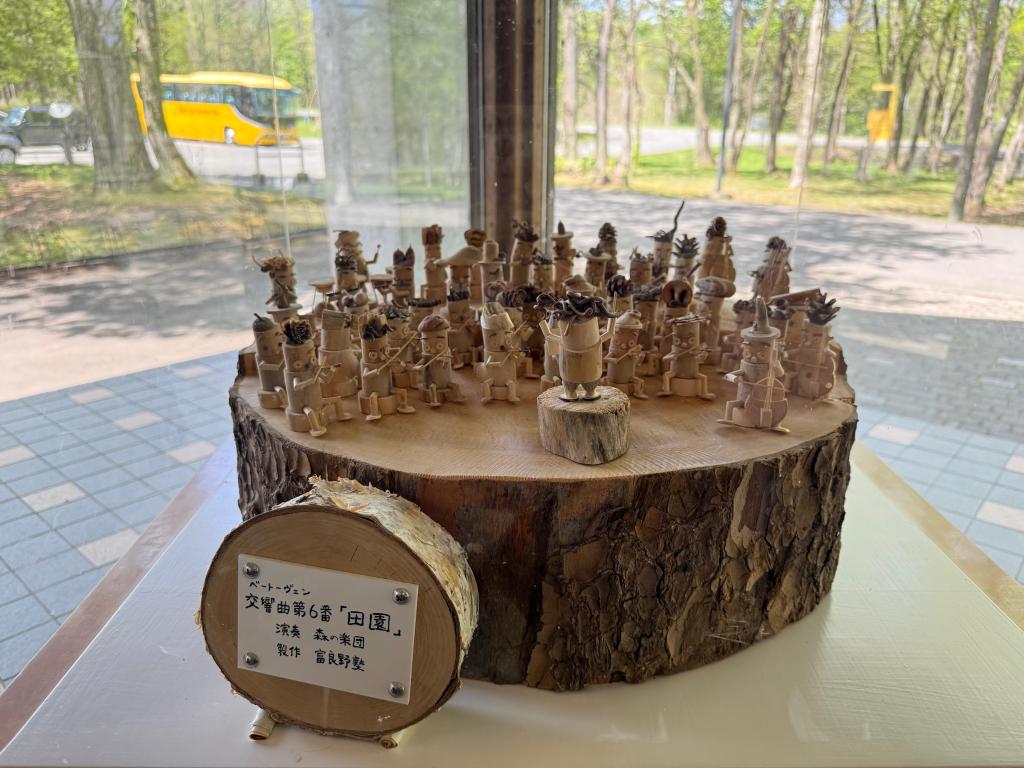
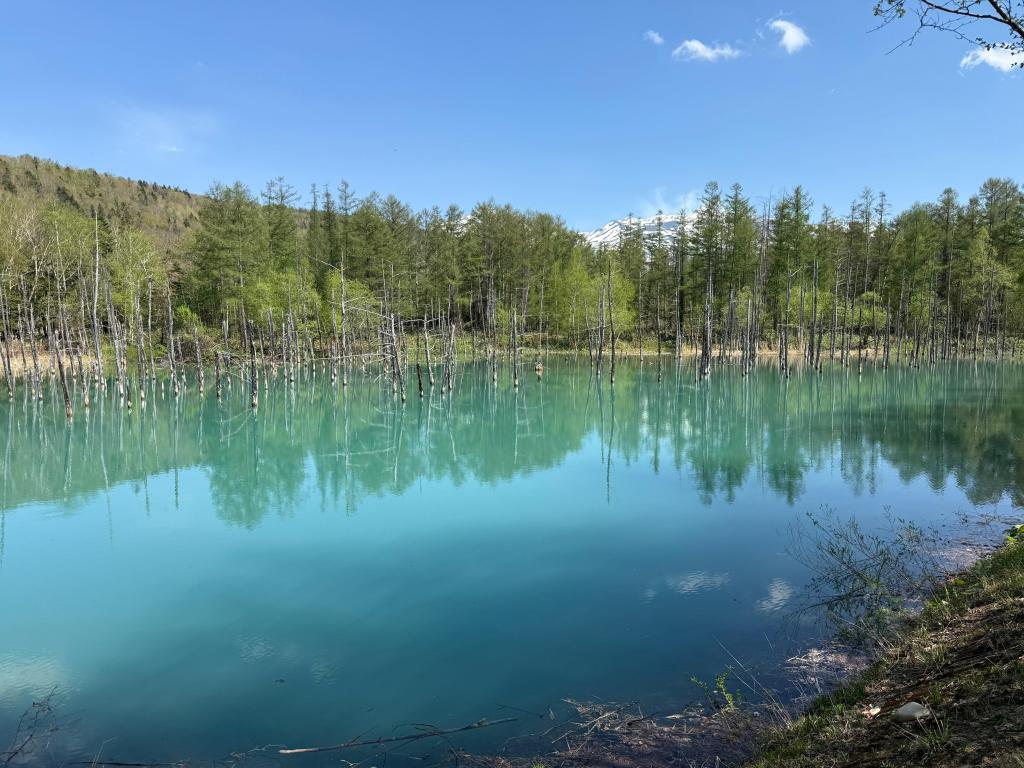
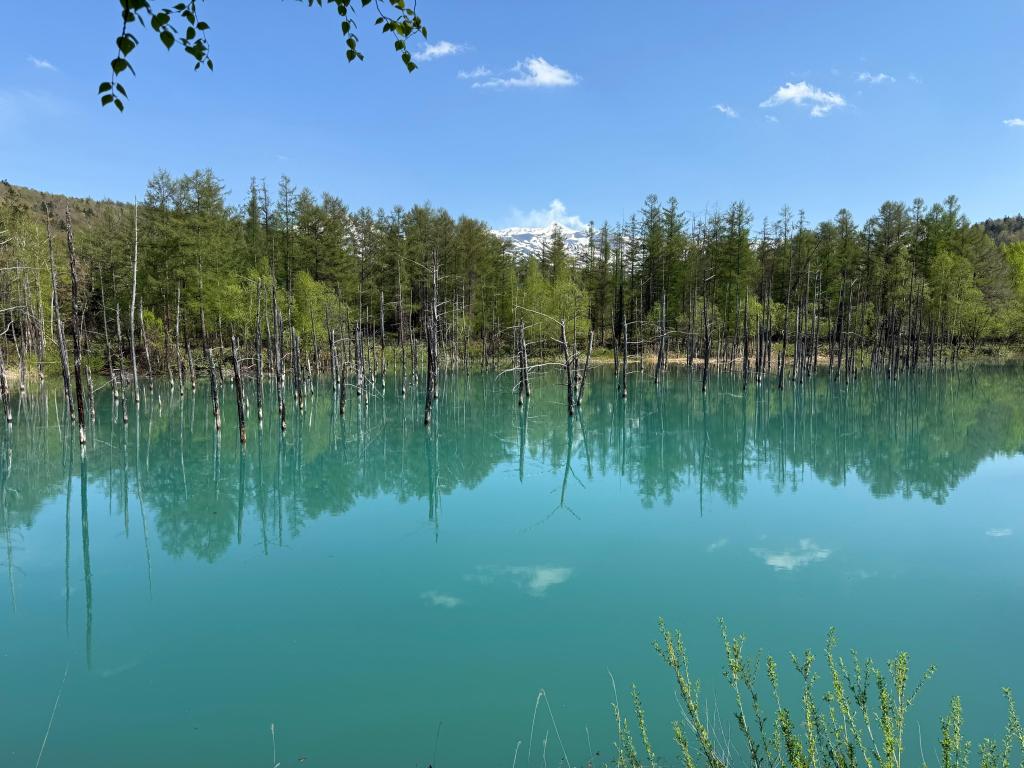
Blue Pond known as Aoiike in Japanese
From there, I made my way to the nearby town of Biei to visit the iconic photo spot. With its surreal, milky blue water and standing tree trunks emerging like sculptures, it felt like stepping into a dream—a place where nature quietly speaks in shades of wonder. It was created in 1988 as part of an erosion control project to protect Biei from volcanic mudflows following an eruption of nearby Mount Tokachi.
The pond’s remarkable blue color is due to natural minerals—especially colloidal aluminum hydroxide—dissolved in the water. These minerals reflect blue wavelengths of light, giving the pond hues that range from deep azure and turquoise to emerald and cobalt blue, depending on the season, weather, and sunlight. The color can appear to change dramatically with the time of day and atmospheric conditions.
The Blue Pond became internationally famous after a photograph of it was included as a default wallpaper for Apple Mac computers in 2012, drawing global attention and a surge in visitors.
Spiritual and Mystical Reputation: Many visitors consider the pond a spiritual spot, drawn by its mysterious beauty and tranquil setting. As I stood before the Blue Pond, I was completely mesmerized. The water shimmered in surreal shades of turquoise and cobalt, so still and pure it felt almost otherworldly. Bare tree trunks rose gracefully from the surface, like silent guardians frozen in time.
The contrast between the vibrant blue of the water and the green of the surrounding forest made every angle picture-perfect. But more than just a visual delight, it stirred something within me—a quiet awe for the natural beauty Japan so effortlessly offers. It wasn’t just a photo stop; it was a soul-soothing experience.
Shirogane Waterfall – Biei’s Hidden White Beard Cascade
Just a short distance from the famous Blue Pond lies another natural wonder that often takes visitors by surprise: Shirogane Waterfall also known as Shirahige Falls, which translates to “White Beard Falls.” True to its name, the waterfall cascades down in fine, silvery streams resembling a flowing beard—graceful, mysterious, and absolutely captivating. Magical Blue River
The water merges with the Biei River, which carries the same aluminum-rich minerals as the Blue Pond—giving the river a striking cobalt blue hue. Water From Underground Springs
Unlike most waterfalls that are fed by a river or lake, Shirahige Falls emerges directly from the porous cliffs, creating hundreds of tiny threads of water that fan out down the rocks. The view was absolutely captivating on that bright, sunny day. The clear blue sky cast a radiant glow over the landscape, making the waterfall look even more enchanting—like streams of silky white milk flowing gracefully from the mountains. The contrast between the sparkling water and the deep green surroundings created a picture-perfect moment. It was truly mesmerizing, a sight that felt both peaceful and magical, a beautiful way to end the day!


Historical Village of Hokkaido – A Walk-Through Time
The village features Over 50 authentic reconstructed buildings from Hokkaido’s Meiji, Taisho, and early Showa periods—including homes, shops, schools, churches, farms, and even a fishing village—each carefully preserved and filled with period furnishings. More than just an open-air museum, it’s a deeply atmospheric journey into the heart of Hokkaido’s pioneering era, where every wooden beam, creaking floorboard, and frost-kissed window tells a story. Walking through the village feels like stepping into a carefully preserved diary of the island’s past—one filled with stories of ambition, survival, and resilience.
Four Themed Areas:
- City – Traditional shops, newspaper offices, public halls
- Farming Village – Thatched-roof houses and barns
- Mountain Village – Logging huts, shrines, and cabins
- Fishing Village – Coastal life scenes with boats and nets
Ride a Vintage Horse-Drawn Trolley
Take a nostalgic ride around the village in summer—or in a sleigh during snowy winter months.
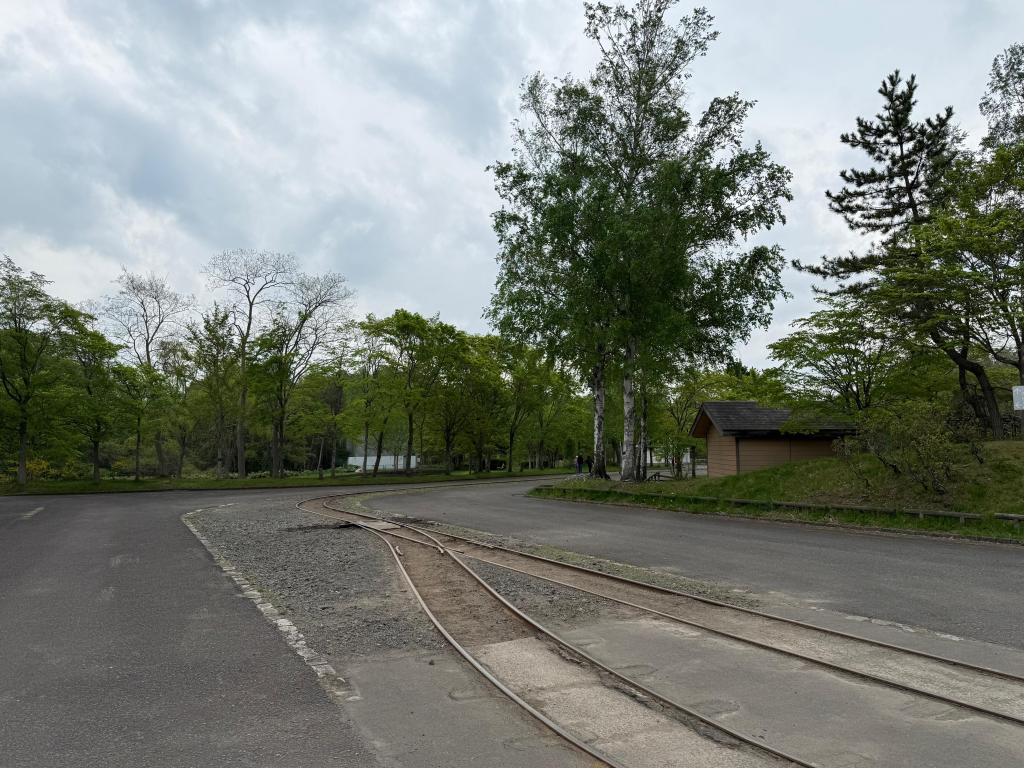
It’s not just the buildings that are preserved—the whole village is located inside a quiet, forested area filled with native Hokkaido trees, giving it a truly immersive and peaceful atmosphere. This isn’t just a tourist stop—it’s a quiet, contemplative place where the wind through pine trees, the crackle of dry leaves, and the scent of aged wood seem to whisper tales of a time when Hokkaido was still being carved out of wilderness.
It was truly a breath of fresh air as I wandered through this quaint, picturesque village, lost in quiet reflection. The clouds gently veiled the sun, softening the light and casting a dreamy glow over the landscape—it felt as though the entire scene had stepped right out of a painting. Every corner exuded a timeless charm, and the calm that enveloped the village was both breathtaking and deeply soothing, as if time had slowed down just for a moment of peace. If you’re someone who finds beauty in the past and meaning in the details, the Historical Village of Hokkaido will speak to your soul.


Tanaka Sake Brewery – A Taste of Tradition in Otaru
Nestled in the charming port city of Otaru, Tanaka Sake Brewery (田中酒造) is a place where centuries-old craftsmanship meets the cool, mineral-rich waters of Hokkaido. Established in 1899, this small but historic brewery is one of the few in Japan that still produces sake year-round, thanks to Otaru’s naturally cold climate. A Living Heritage- The brewery operates out of a beautiful Meiji-era stone warehouse. Walking inside feels like stepping into the past—surrounded by giant cedar barrels, hand-written brewing charts, and the earthy aroma of fermenting rice.
Unlike most breweries in Japan that only brew in winter, Tanaka uses Hokkaido’s consistently cool temperatures to brew sake year-round—a rarity in the industry. The natural environment of Otaru, with its abundant spring water, cool climate, and locally grown sake rice, makes it an ideal setting for producing refined, well-balanced sake.
You can peek into the actual production area and see how traditional sake brewing is still carried out—by hand, in small batches, using pure local spring water and carefully polished rice. Tanaka is known for crafting limited-edition seasonal brews, as well as infused varieties like plum sake, yuzu’s citrus sake, and amazake (sweet, non-alcoholic rice drink).
Visitors can sample a variety of freshly brewed sake, from dry Junmai to fruity Nigori, including their signature “Takaragawa.” The staff often explains the flavor profiles and brewing methods, making it a fun and educational experience.
Limited Edition & Local Brews
Tanaka produces many seasonal and small-batch’s sake varieties not sold outside Hokkaido. Some must-try offerings include:
- “Takaragawa” – Their flagship’s sake, smooth and balanced
- “Fuyu no Shizuku” (Drops of Winter) – A winter-exclusive, freshly pressed sake
- “Yuki no Mai” (Snow Dance) – An elegant Daiginjo perfect for cold nights
- Specialty infusions – Yuzu citrus, ginger, and even lavender varieties on occasion.
Don’t miss the brewery gift shop, which sells beautiful ceramic sake cups, bottles, and locally made snacks that pair well with your purchase. It’s a fantastic place to pick up authentic souvenirs or a bottle to enjoy later under the stars.


Canal Cruise through Otaru’s Old Town – A Journey Back in Time
As the boat gently drifts down the Otaru Canal, you’re instantly transported to a time when this charming town bustled with the energy of sea trade and Hokkaido’s pioneering spirit. Once a busy loading dock during the Meiji and Taisho eras, the canal is now a romantic, nostalgic waterway, fringed with gas lamps, stone warehouses, and ivy-covered brick walls.
Glide past century-old warehouses, now transformed into cafes, glass shops, and museums—all illuminated in the evenings by warm, amber lanterns. Golden hour (around sunset) offers magical lighting on the water—perfect for photos!
Dual Cruise Options:
Daytime Cruise: Perfect for seeing the town’s lively architecture and mountain backdrop.
Night Cruise: An atmospheric ride under glowing lights—ideal for couples or photography lovers.
Narrated History: English audio guides (or friendly guides on board) share tales of Otaru’s rise as a major shipping port during Japan’s modernization.


After doing some shopping and also trying out snacks form the Konbini was a lovely way to end the day!
Makomanai Takino Cemetery & The Hill of the Buddha – Serenity in Stone
Makomanai Takino Cemetery, established in 1982, is one of Japan’s largest memorial parks. While traditional cemeteries often carry a sombre air, the goal here was to create a place of tranquillity and reflection where the living could find peace as they remember their loved ones.
- The Buddha serves as a guardian spirit watching over the deceased and those who visit.
- Its placement at the heart of the cemetery symbolizes spiritual centrality—anchoring the surrounding memorial grounds in compassion and calm.
Hidden in the peaceful outskirts of Sapporo lies one of Japan’s most visually stunning and spiritually moving sites—Makomanai Takino Cemetery. Far from the usual solemn spaces, this cemetery blends art, nature, and architecture in a way that awakens the soul and quiets the mind.
One of its most eye-catching features is a full-scale replica of Stonehenge. Set against the backdrop of Hokkaido’s natural scenery, the Japanese Stonehenge is both surreal and serene—a place where east meets west, tradition meets imagination.
- It’s not just decorative—it reflects themes of universal spirituality and harmony.
- The site is especially captivating during sunrise or light snowfall, when the stones take on a mystical aura.
The Hill of the Buddha (Atama Daibutsu)
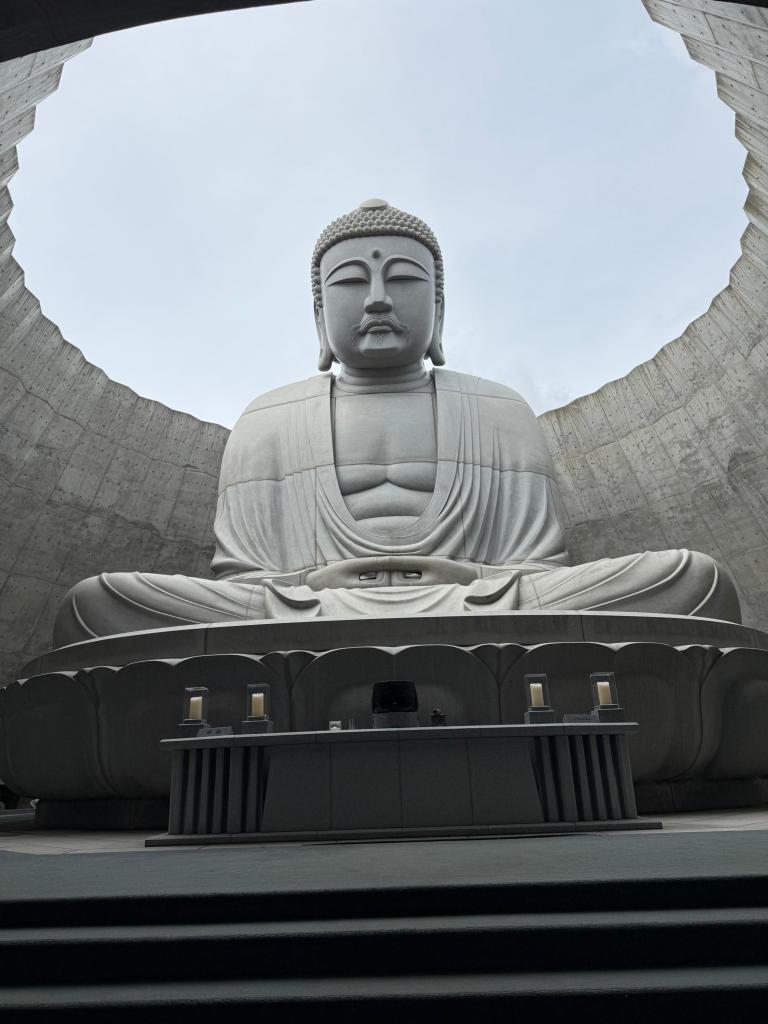
The Hill of the Buddha (頭大仏, Atama Daibutsu) is far more than just an architectural marvel—it’s a deeply symbolic space that reflects the essence of life, death, peace, and rebirth.
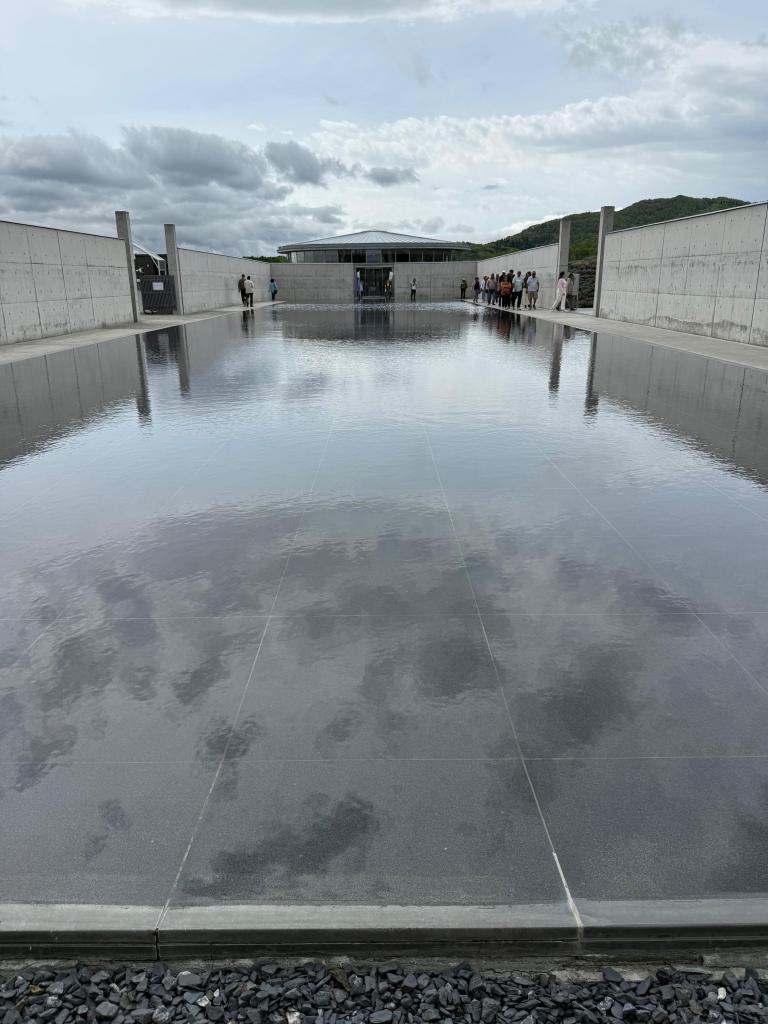
Designed by world-renowned architect Tadao Ando, the Hill of the Buddha is a breathtaking fusion of minimalism and natural beauty. A 13.5-meter-tall stone Buddha sits enveloped in a hill covered in 150,000 lavender plants. While traditional cemeteries often carry a sombre air, the goal here was to create a place of tranquility and reflection where the living could find peace as they remember their loved ones.
The Buddha serves as a guardian spirit watching over the deceased and those who visit. Its placement at the heart of the cemetery symbolizes spiritual centrality—anchoring the surrounding memorial grounds in compassion and calm.
You first walk through a dark tunnel—symbolizing the journey inward—until you’re met with the serene gaze of the Buddha in an open sky.
Depending on the season, the hill transforms:
- Lavender in summer
- Snow-covered tranquillity in winter
- Fiery autumn colours
- Cherry blossoms in spring
As I walked through the Buddha temple, I was enveloped by a serene atmosphere that instantly quieted the mind. The deep, resonant sound of the temple gong echoed through the air, sending gentle vibrations that seemed to awaken something peaceful within me. There was a profound sense of calm and presence, as if the temple itself breathed tranquility. It was truly a mesmerizing experience in itself.

After a scrumptious lunch, I boarded a flight to Tokyo and spent the evening unwinding and recharging. It was a much-needed pause—a quiet night to rest and prepare for the exciting adventures that awaited me in the days to come.

 SoulMapStories.com
Leave a comment